
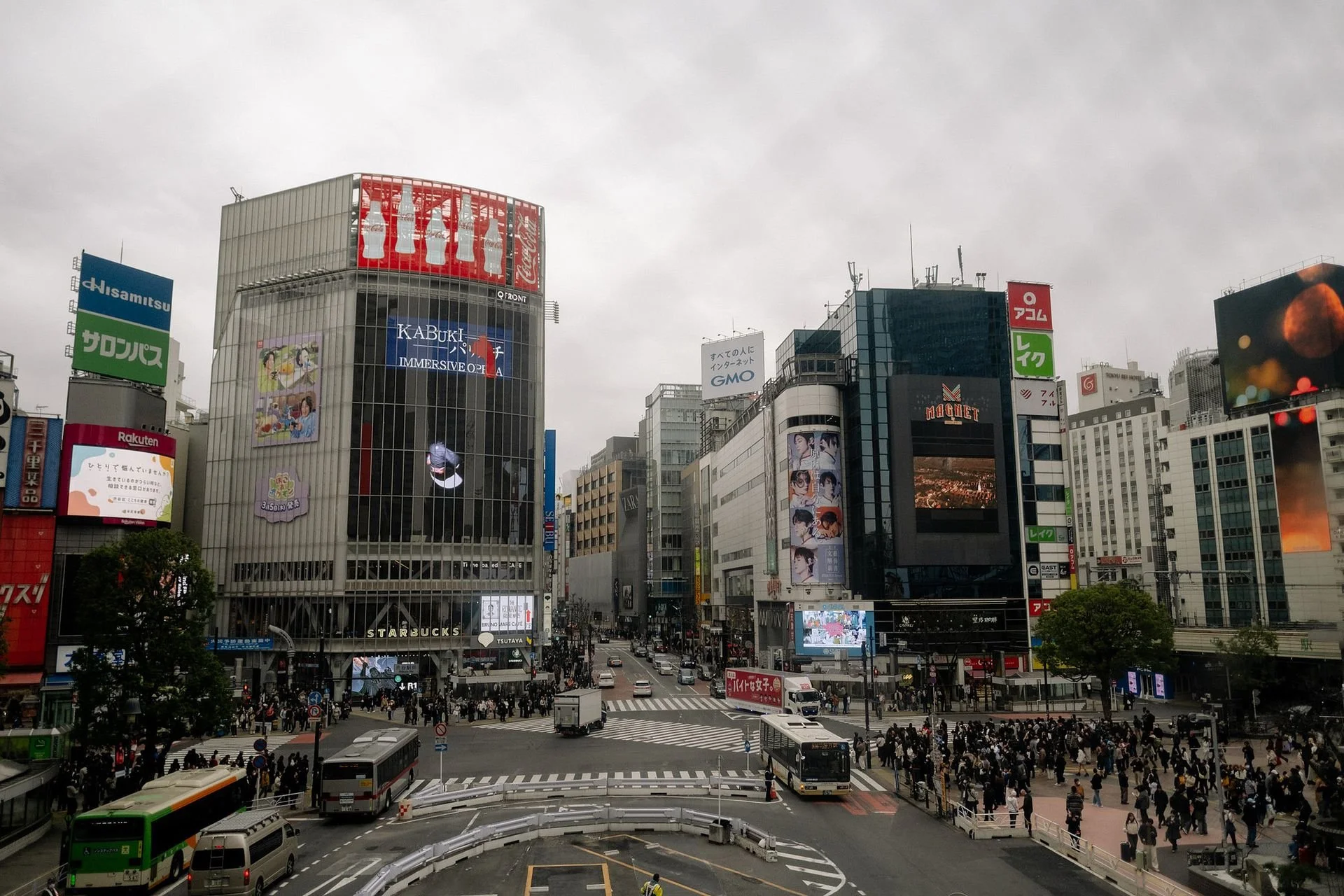
Everyone gives you the same warning before Japan: keep the public affection dialed down. It's true as far as it goes, and it's also close to the least useful thing anyone can tell you when what you're really asking is whether Japan is LGBTQ+ friendly.
The warning implies Japan polices you. It doesn't. What it does is run quieter than most Western travelers are calibrated for, for everyone, and quiet reads as cold until you've spent a few days inside it. Then it starts to feel like the most relaxing country you've ever visited.
We first fell for Japan on a trip in 2017. In March 2026, Matthew and our host Peter went back and walked this exact route during cherry blossom season to build our 2027 trip, alongside Out Asia Travel, the LGBTQ+-owned local partner that runs it on the ground. This guide is what we'd tell a friend over a highball: where the law actually stands, how each city feels for queer travelers, and the practical stuff most guides tiptoe around, like bar cover charges, onsen and tattoos.
AI Summary
This guide covers whether Japan is LGBTQ+ friendly across Tokyo, Kyoto and Osaka. It explains where the law stands in late 2026, including the marriage equality case now before the Supreme Court’s Grand Bench, and how queer travel feels in each city. It also covers Ni-chōme bar etiquette, onsen and ryokan for LGBTQ+ travelers, and when to go, with notes for solo travelers, couples and groups.
Is Japan LGBTQ+ Friendly?
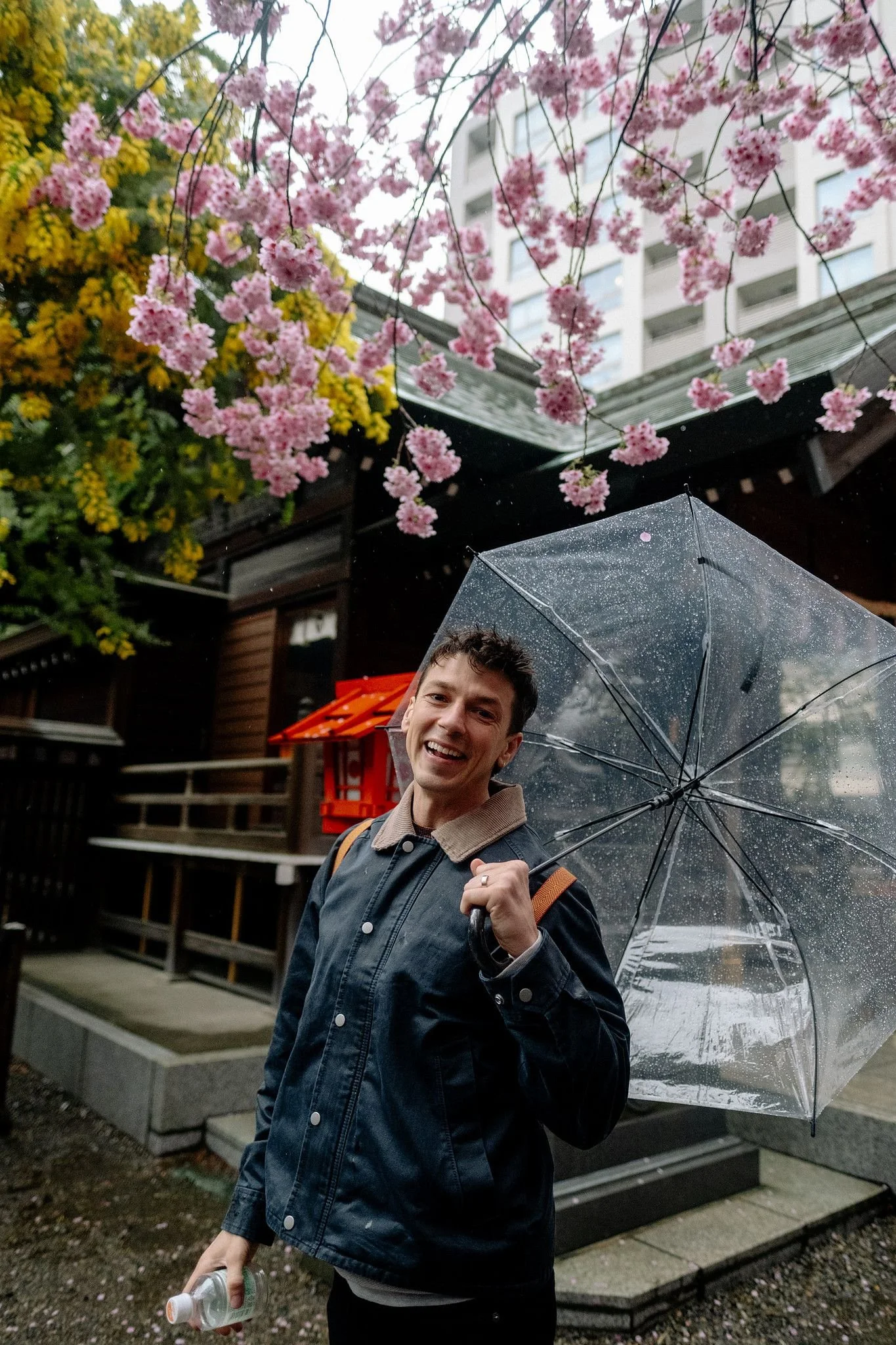
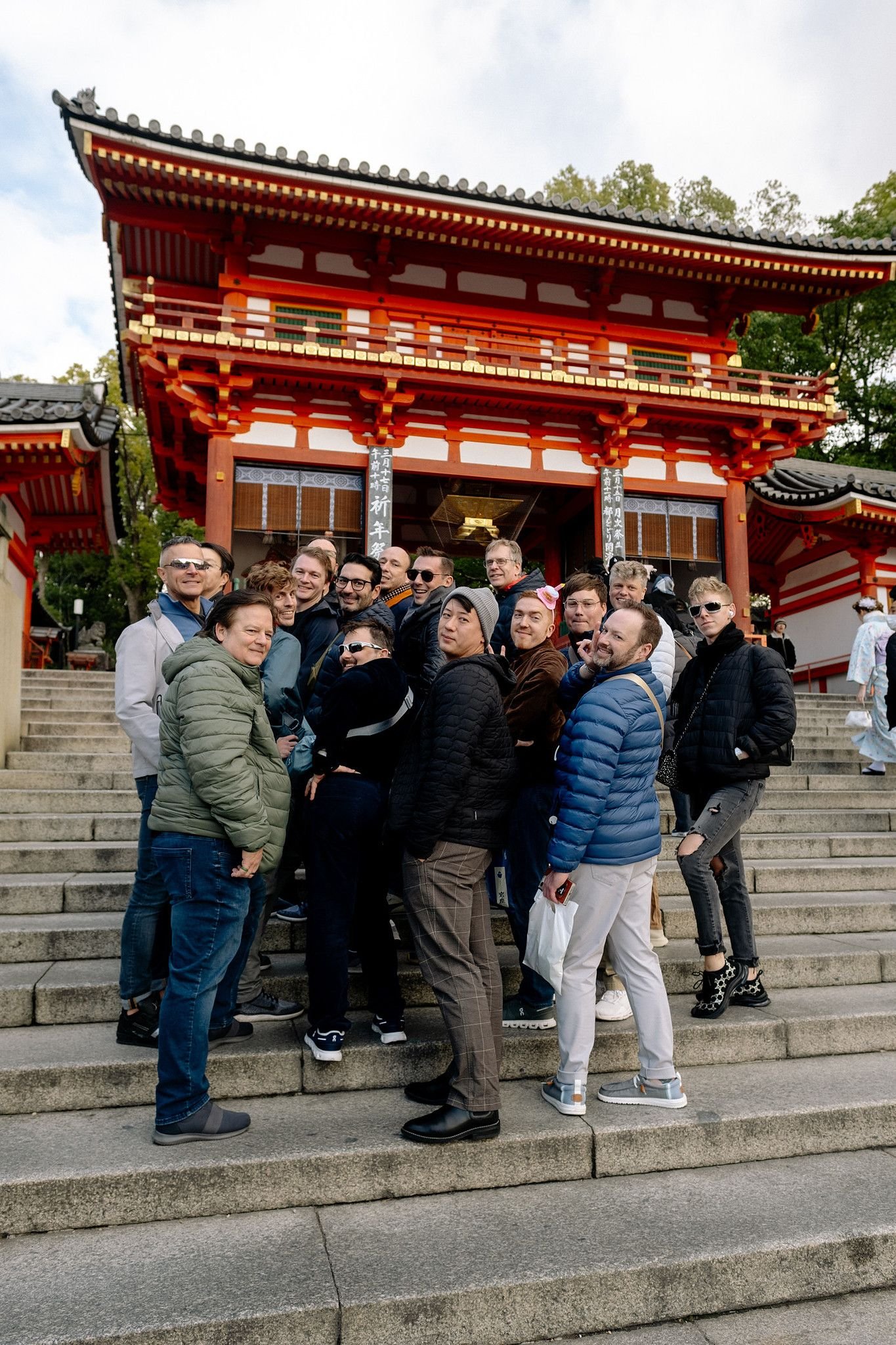
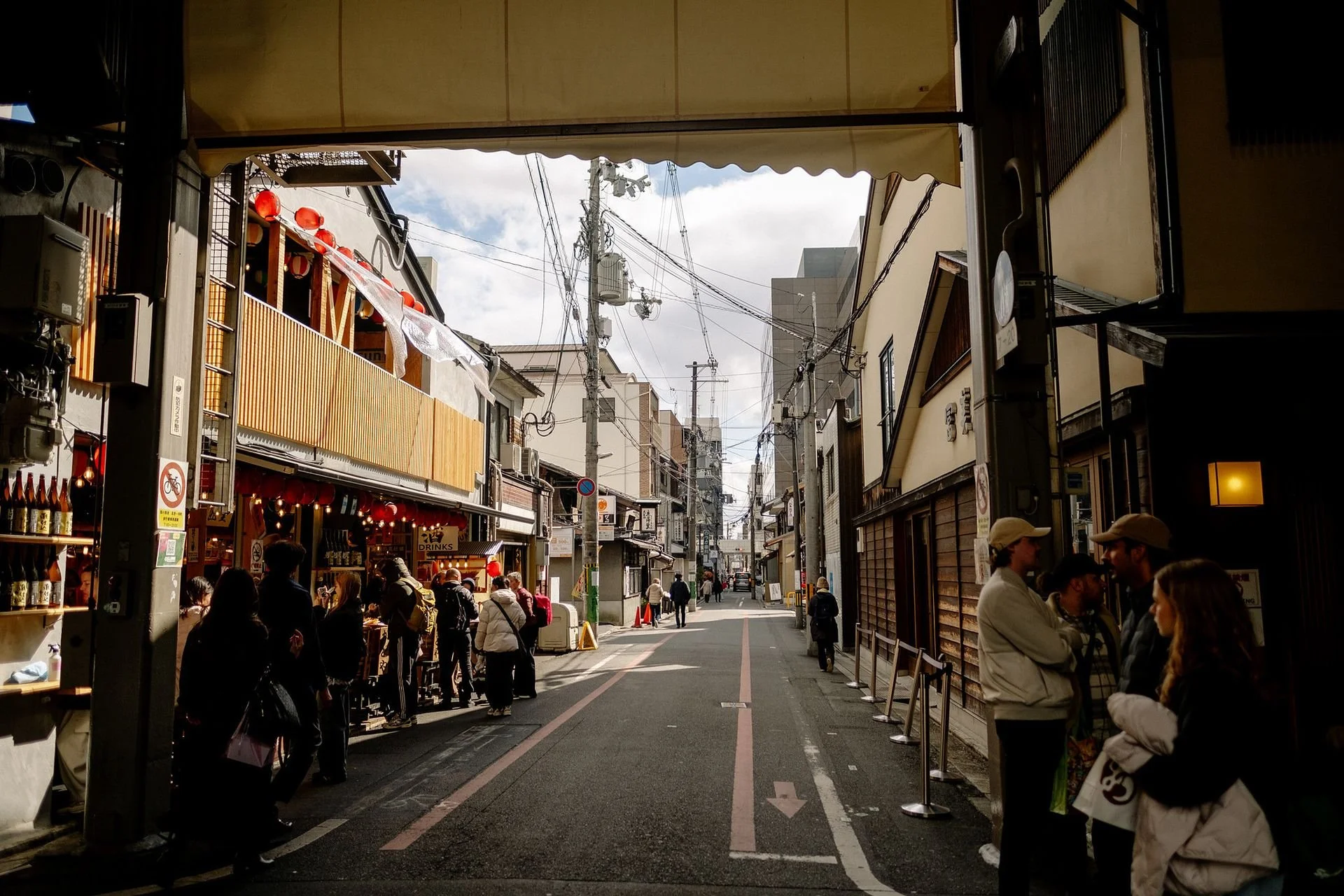
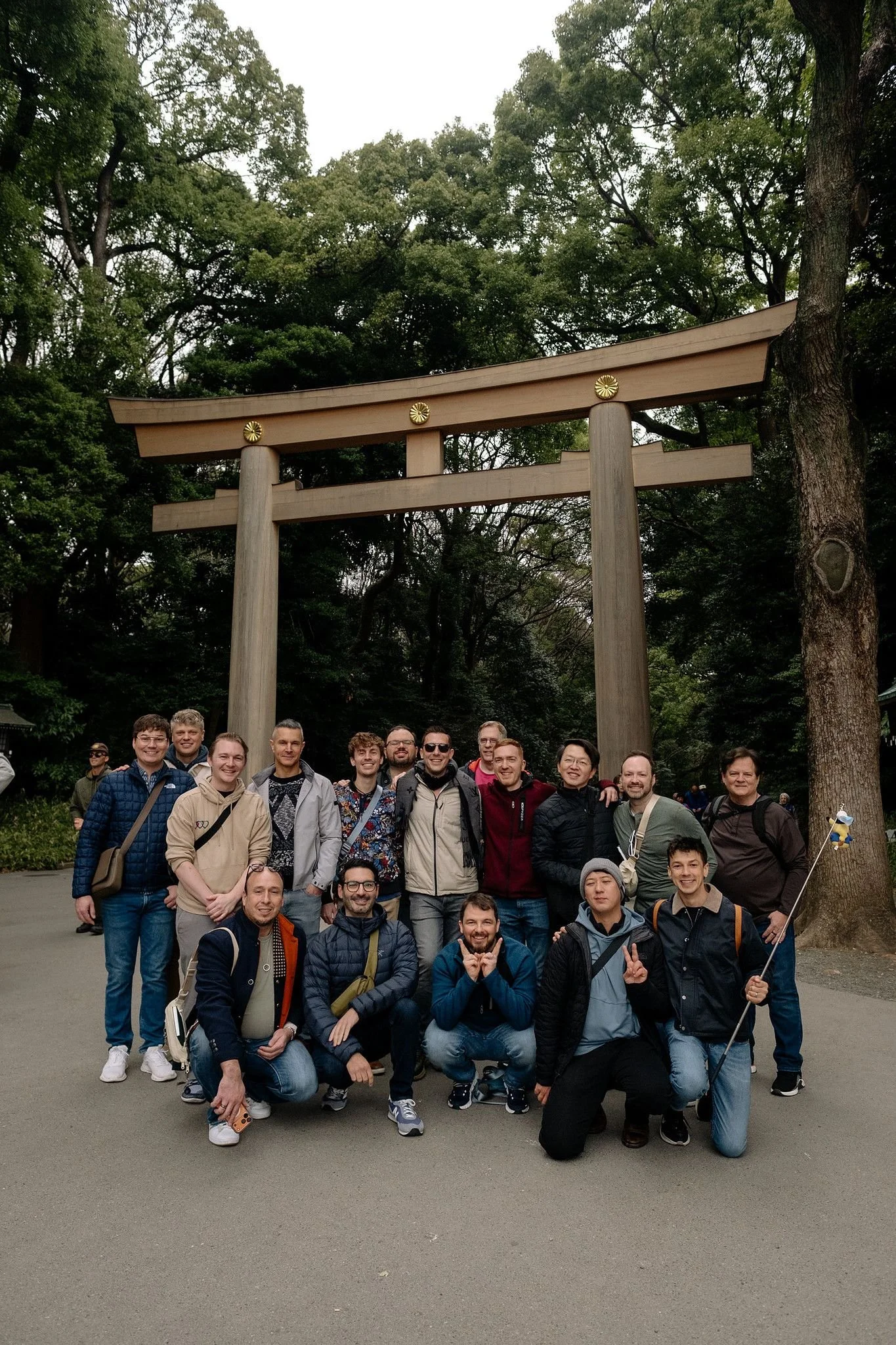
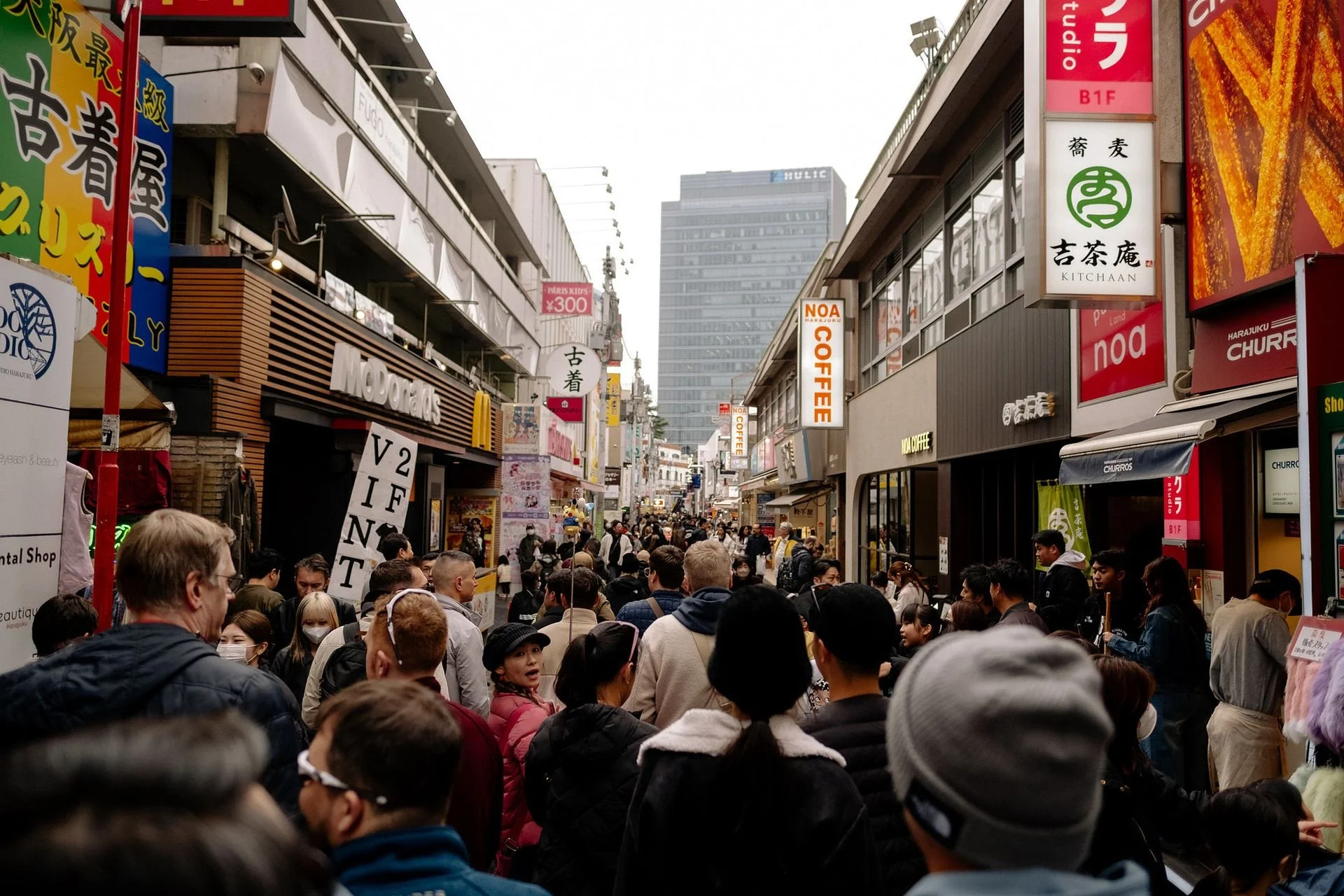
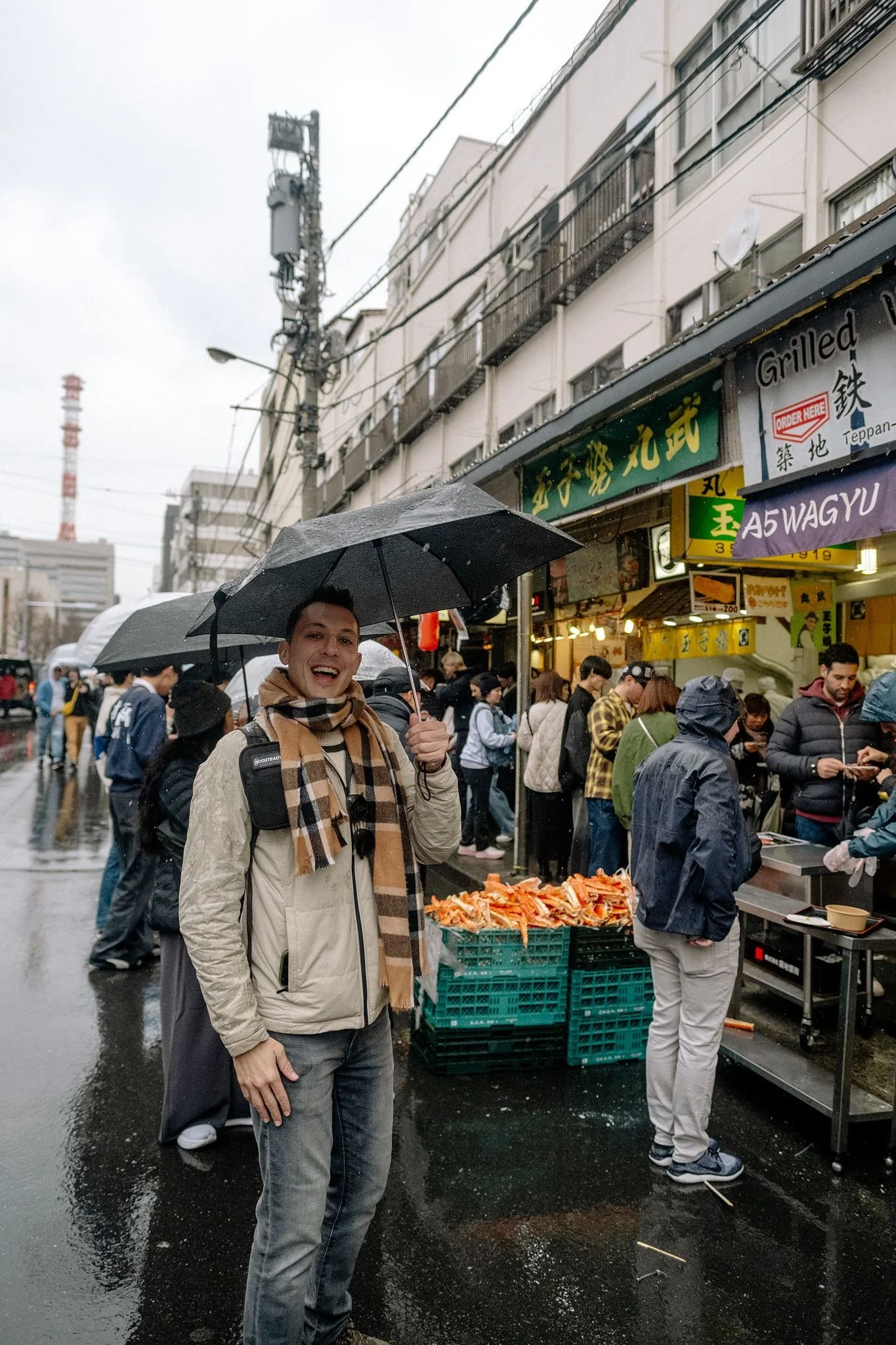
Japan is LGBTQ+ friendly in practice and unfinished on paper, and the gap between the two is wider here than almost anywhere you'd compare it to. Same-sex relationships have never been criminalized. Harassment of queer visitors is rare enough that most travelers never give it a thought. And Japan is still the only G7 country without nationwide marriage equality.
That last part is moving, and the timing is interesting if you're traveling in spring 2027. Between March 2024 and March 2025, five High Courts (Sapporo, Tokyo, Fukuoka, Nagoya and Osaka) ruled the marriage ban unconstitutional. On November 28, 2025, the Tokyo High Court upheld the ban in a separate case, the first appeals court to side with the government.
Then on March 25, 2026, the Supreme Court sent all six cases to its 15-justice Grand Bench, the full court it convenes for major constitutional questions. Japanese media expect a ruling as early as the end of fiscal 2026, which closes in March 2027. Nobody can promise a date, but there's a real chance the biggest LGBTQ+ legal decision in Japan's history lands within weeks of cherry blossom season.
Local governments haven't waited around. As of August 2026, 566 municipalities and 31 of Japan's 47 prefectures issue partnership certificates, covering about 94 percent of the population, and Tokyo, Kyoto City and Osaka City all have them. Marriage For All Japan tracks the numbers. Certificates aren't marriage, so there's no inheritance, tax status or spousal visa attached, but they unlock things like hospital visitation and public housing, and they've quietly made same-sex couples an everyday administrative fact.
There's also the 2023 LGBT Understanding Promotion Act, which is mostly symbolic and has no enforcement mechanism. Good to know it exists, not worth counting on.
As a visitor, almost none of that touches you directly. What you'll notice is a hotel clerk processing "two guests, one bed" with the same polite efficiency as everything else, and a country that isn't curious about who you're traveling with.
For neighborhood-by-neighborhood hotel picks, read our guide to where to stay in Tokyo as an LGBTQ+ traveler, and for Osaka's bars by name, our Osaka guide for gay travelers. Comparing destinations? Our gay Portugal guide covers our Lisbon to Porto trip the same honest way, and our Peru guide walks through Lima, Cusco and Machu Picchu before the group trip there.
Tokyo: How a Night in Ni-chōme Actually Works
Tokyo is one of the safest big cities in the world for anyone, queer visitors included. The realistic risk of a night out here is missing the last train, not anything happening to you. Shinjuku Ni-chōme, a short walk east of Shinjuku Station, is the center of gay Tokyo, and it works differently from any gayborhood you've been to.
Most bars are tiny, often eight to fifteen seats, stacked several to a building and reached by narrow stairs or an elevator the size of a phone booth. Each one has a master behind the bar and a crowd of regulars, and many have a niche, whether that's bears, an older crowd, women only, anime fans or karaoke diehards. You don't pick one bar for the night. You pick five.
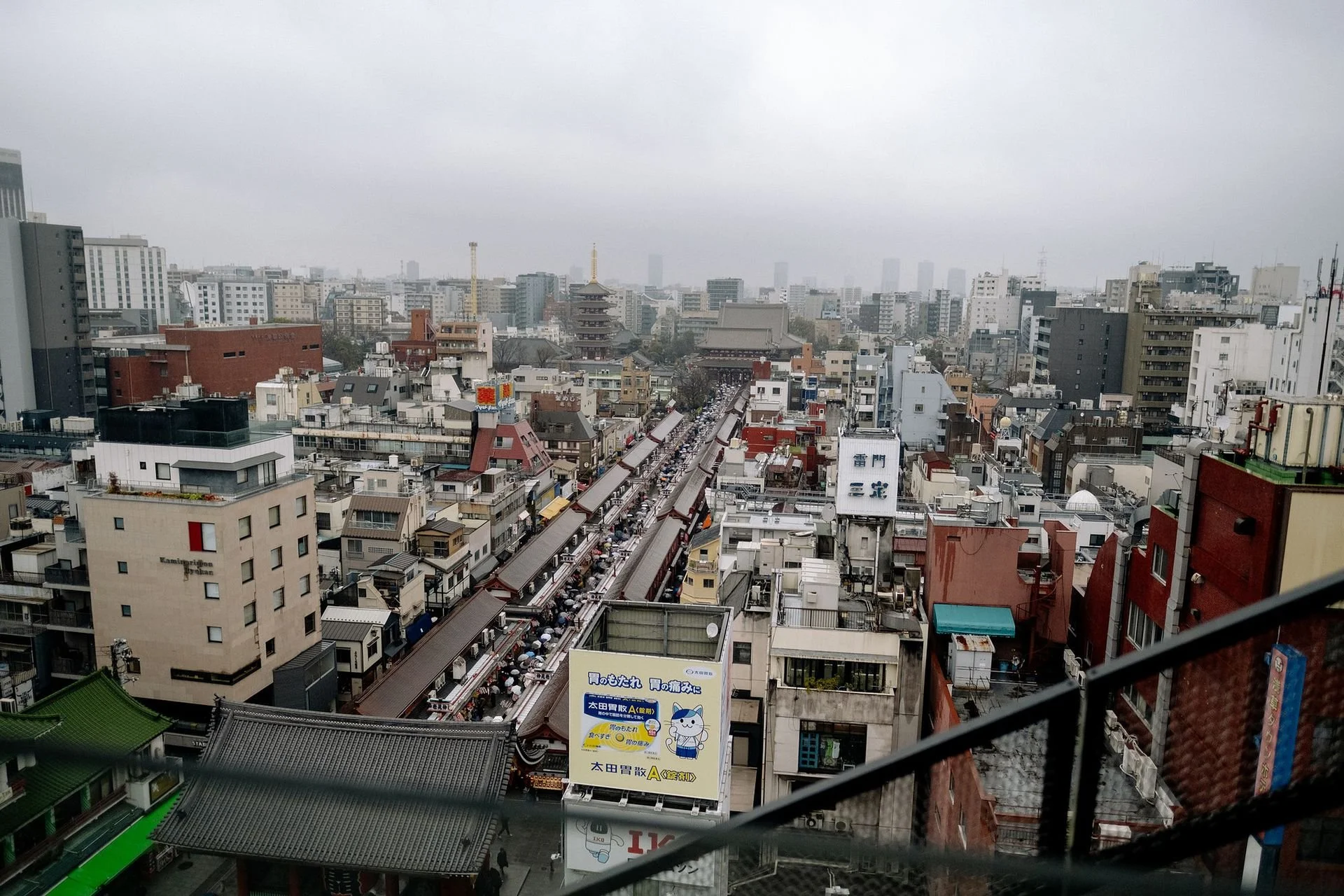
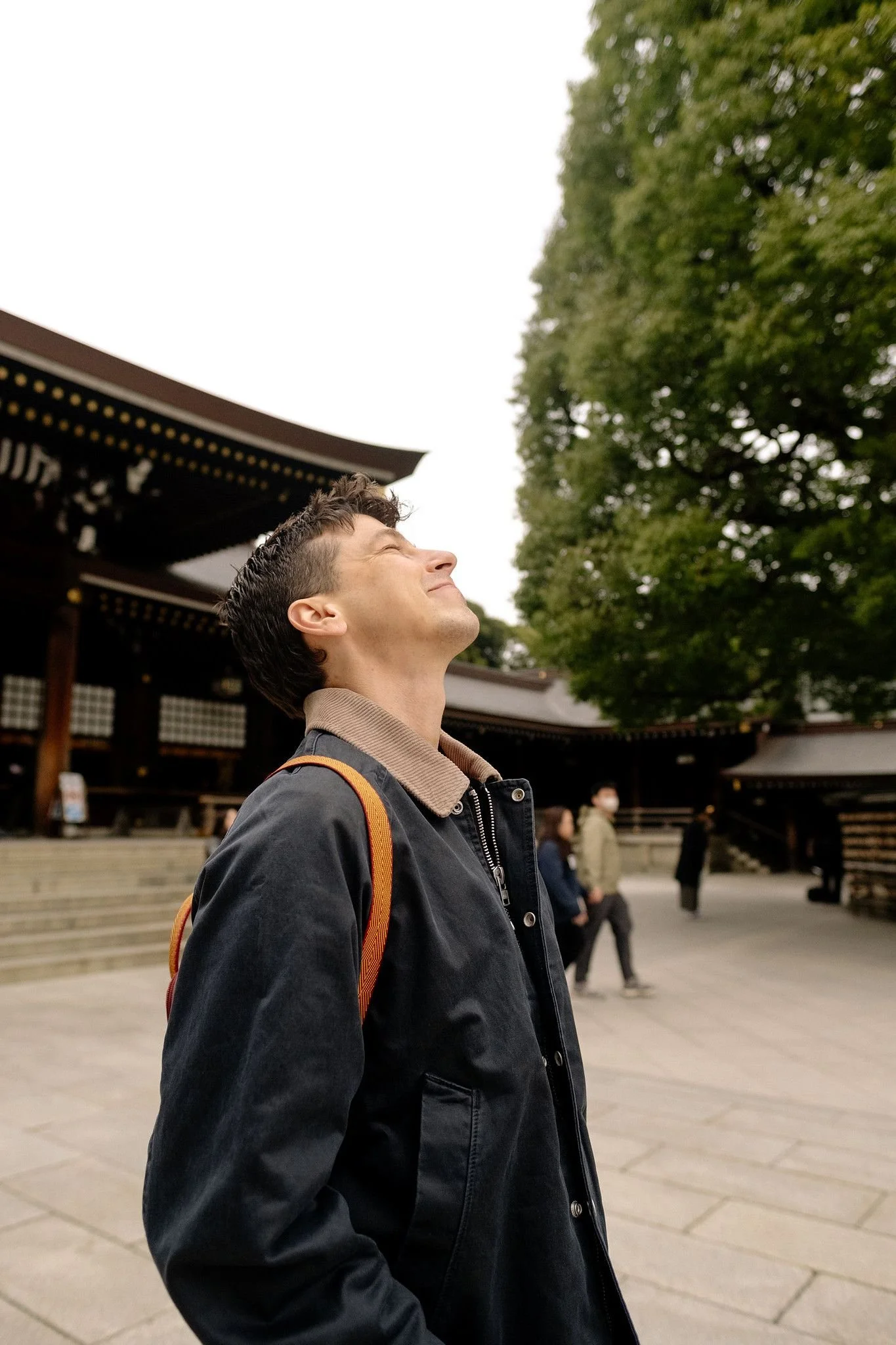
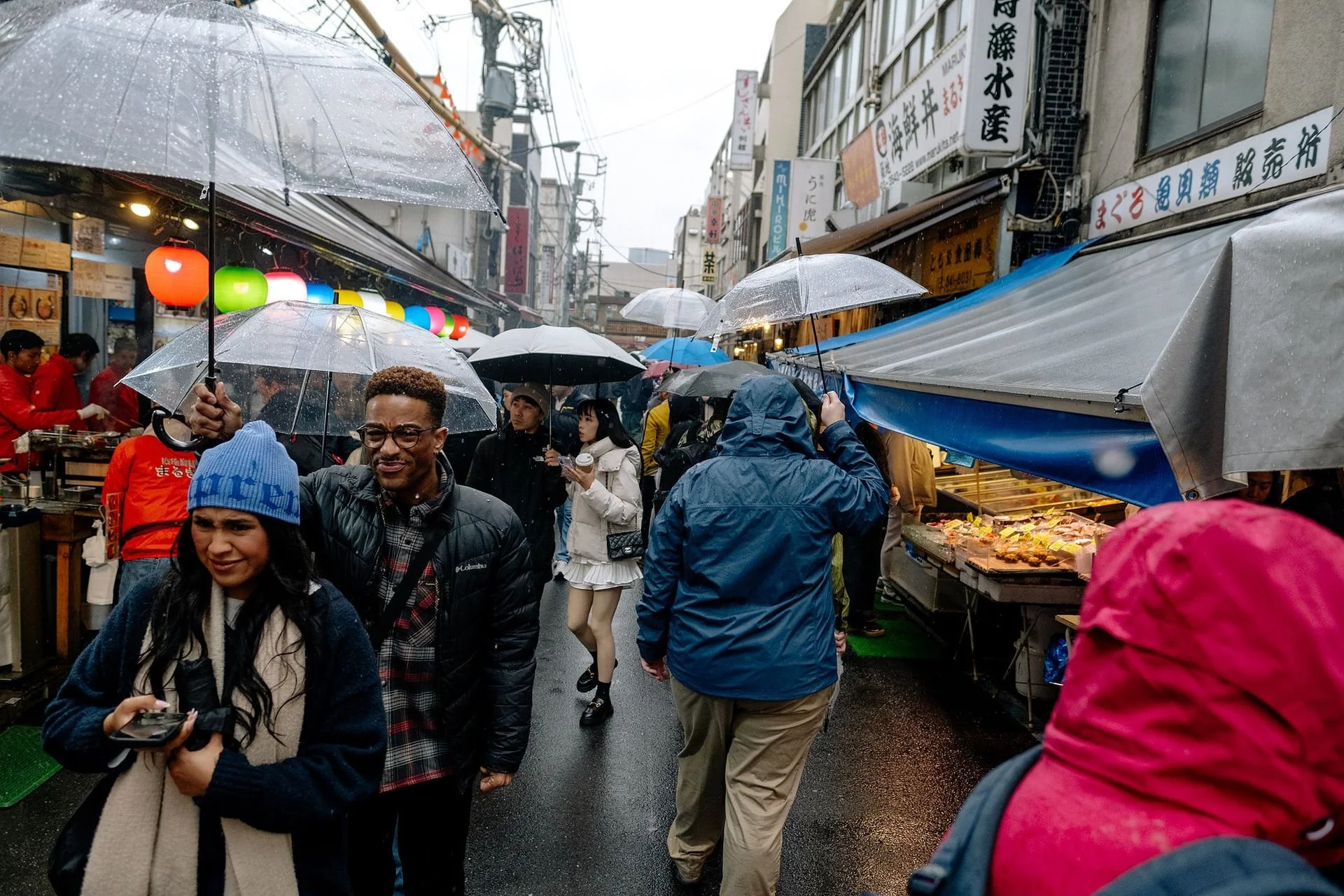
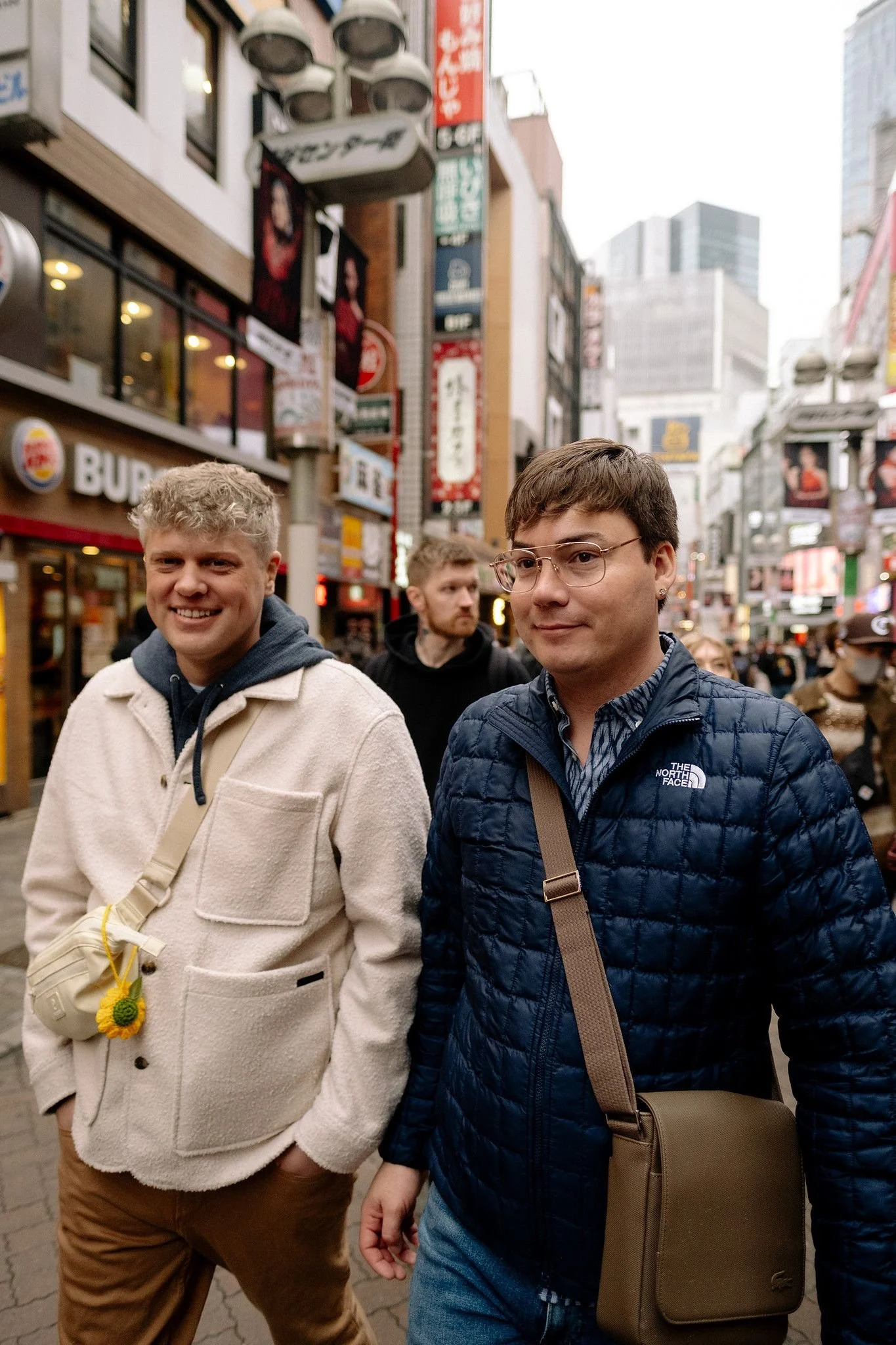
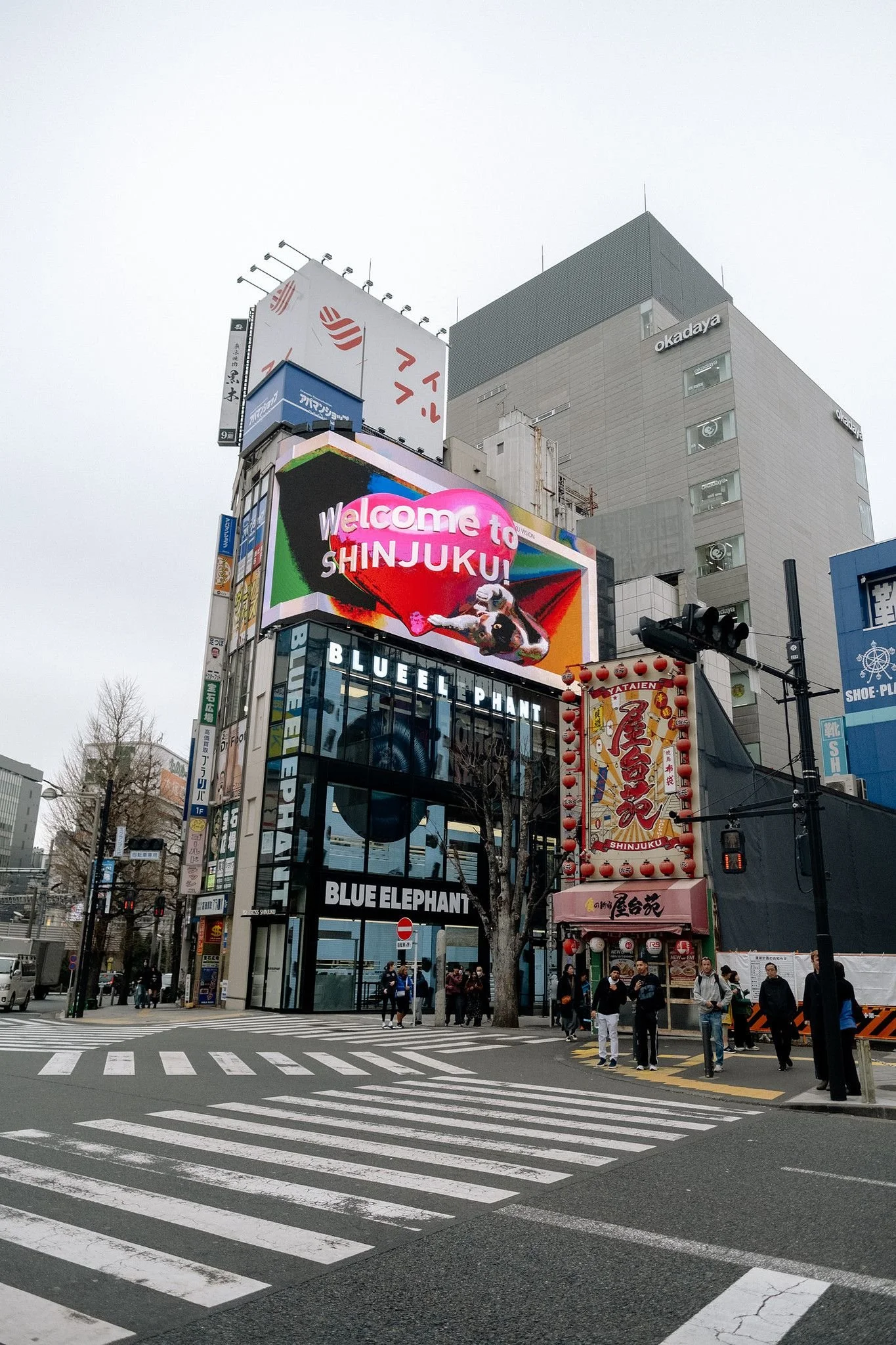
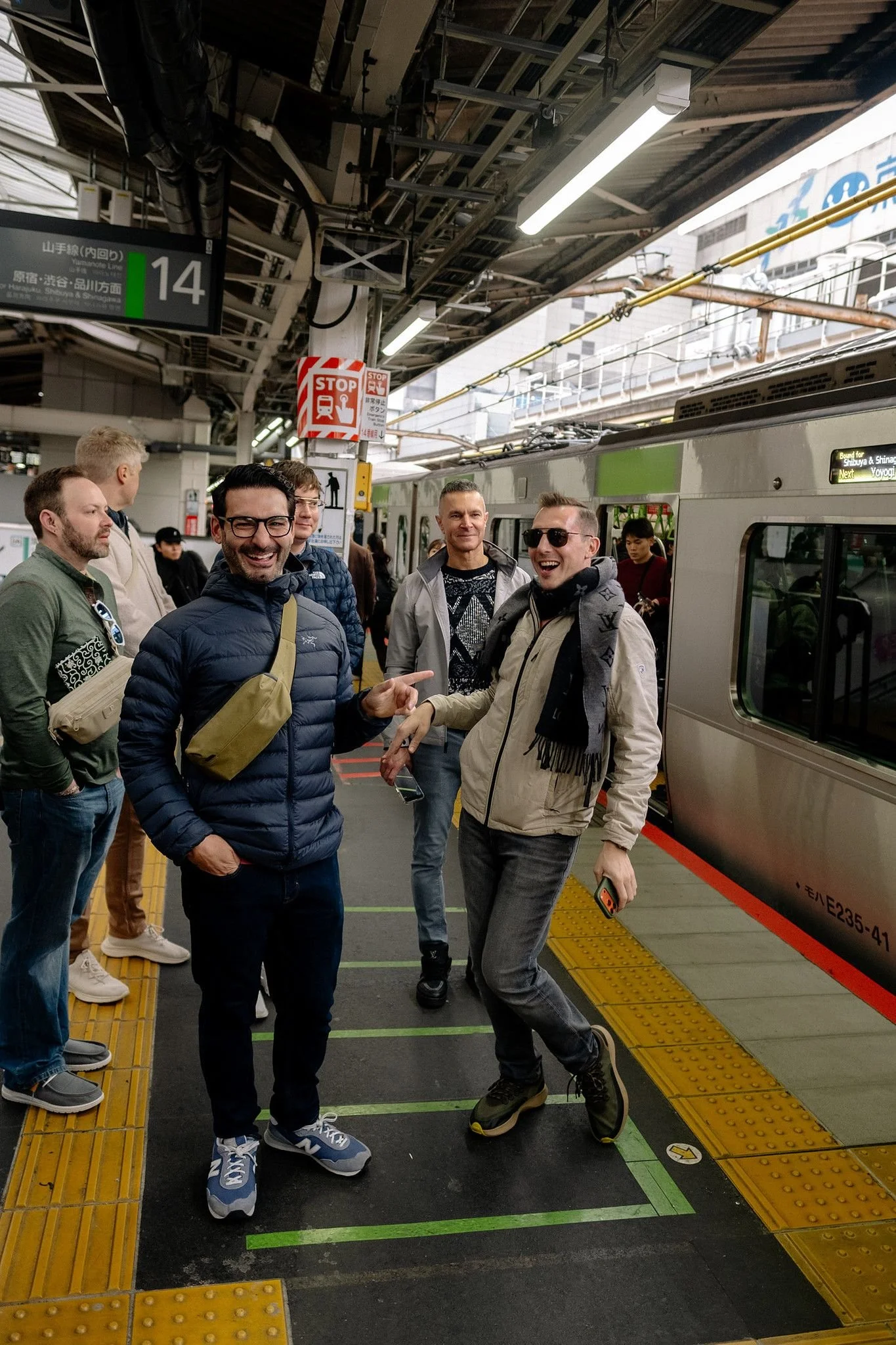
A few things make the first night easier. Most bars charge a cover or table charge, commonly ¥1,500 to ¥2,200 and often including your first drink, and plenty of the small ones still prefer cash. Some bars are Japanese-only or members-only, which is about language and the regulars' comfort rather than about you, so smile, say thank you and try the next door. And hopping is the whole point: a drink, maybe a song, then on to the next stairwell.
If you'd rather not decode all of that on night one, that's what our guided Ni-chōme night is for. Peter and our local guide take the group to bars that are happy to see a crowd of visitors walk in, and by the second stop the karaoke book usually comes out.
If you want Pride, Tokyo Pride now runs in June at Yoyogi Park. In 2026 it took over June 6 and 7, with a parade through Shibuya and Harajuku and an after-party back in Ni-chōme.
Is Kyoto LGBTQ+ Friendly?
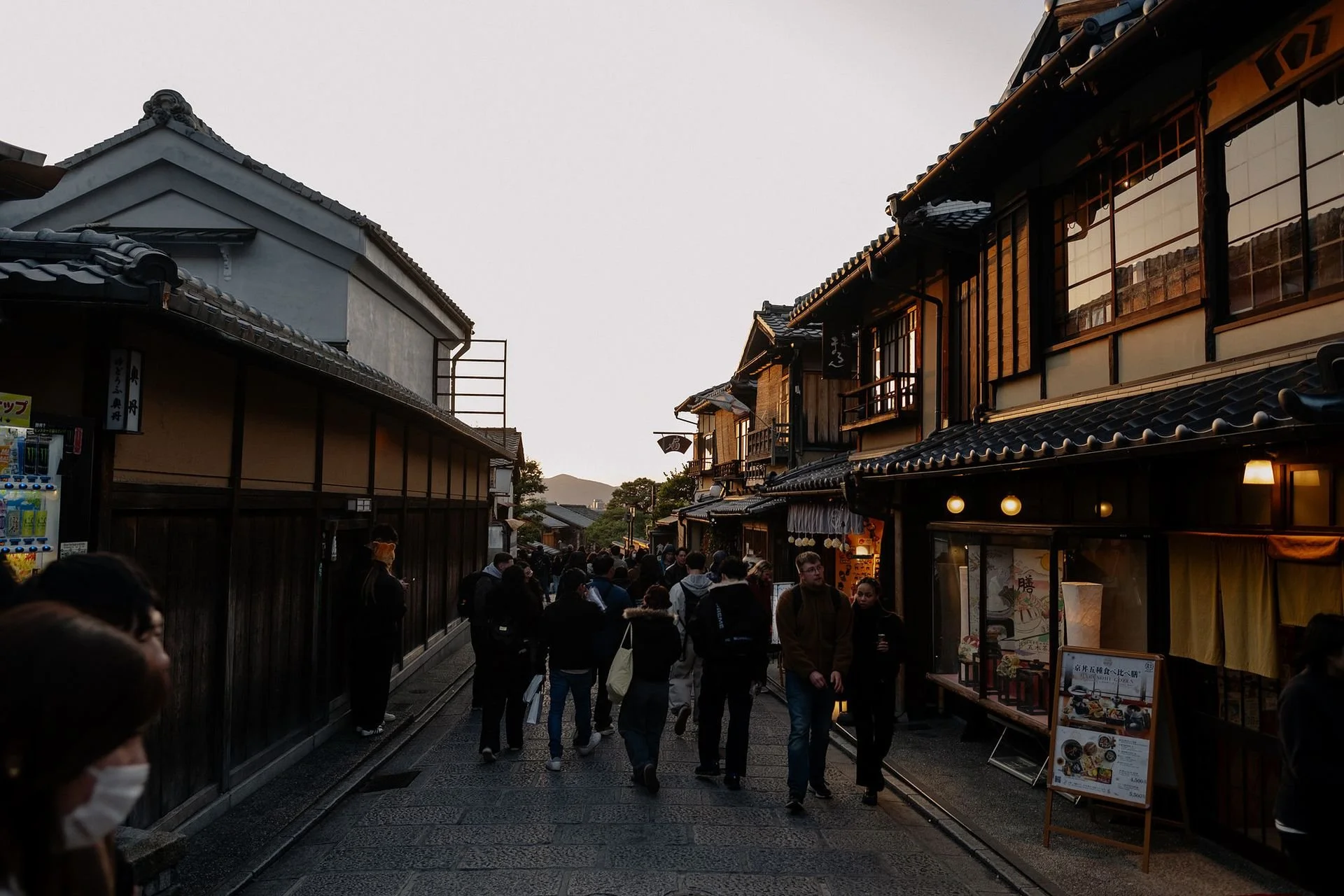
Kyoto is LGBTQ+ friendly in the quietest possible way, and it has almost no scene to speak of. Kyoto City has issued partnership certificates since 2020, and the ryokan and hotels that host international guests every day don't think twice about a shared room.
What Kyoto doesn't have is a gayborhood. Queer life here moves through apps and word of mouth rather than a strip of bars, and that's fine, because Kyoto was never a nightlife city for anyone. You come for the bamboo, the temples, a tea ceremony in kimono (it's on our itinerary, and yes, the photos are as good as you're imagining) and the hour around dusk when the lanterns come on in Higashiyama.
One tip for getting there: on the Nozomi bullet train from Tokyo, grab a window seat on the right-hand side (the E seats). On a clear day, Mount Fuji shows up about forty minutes in, and the whole car goes quiet for it.
Not ready to book anything yet? Join the email list and we'll send you the next guide like this one, plus first word on new trips before they go public.
Is Osaka Gay-Friendly?
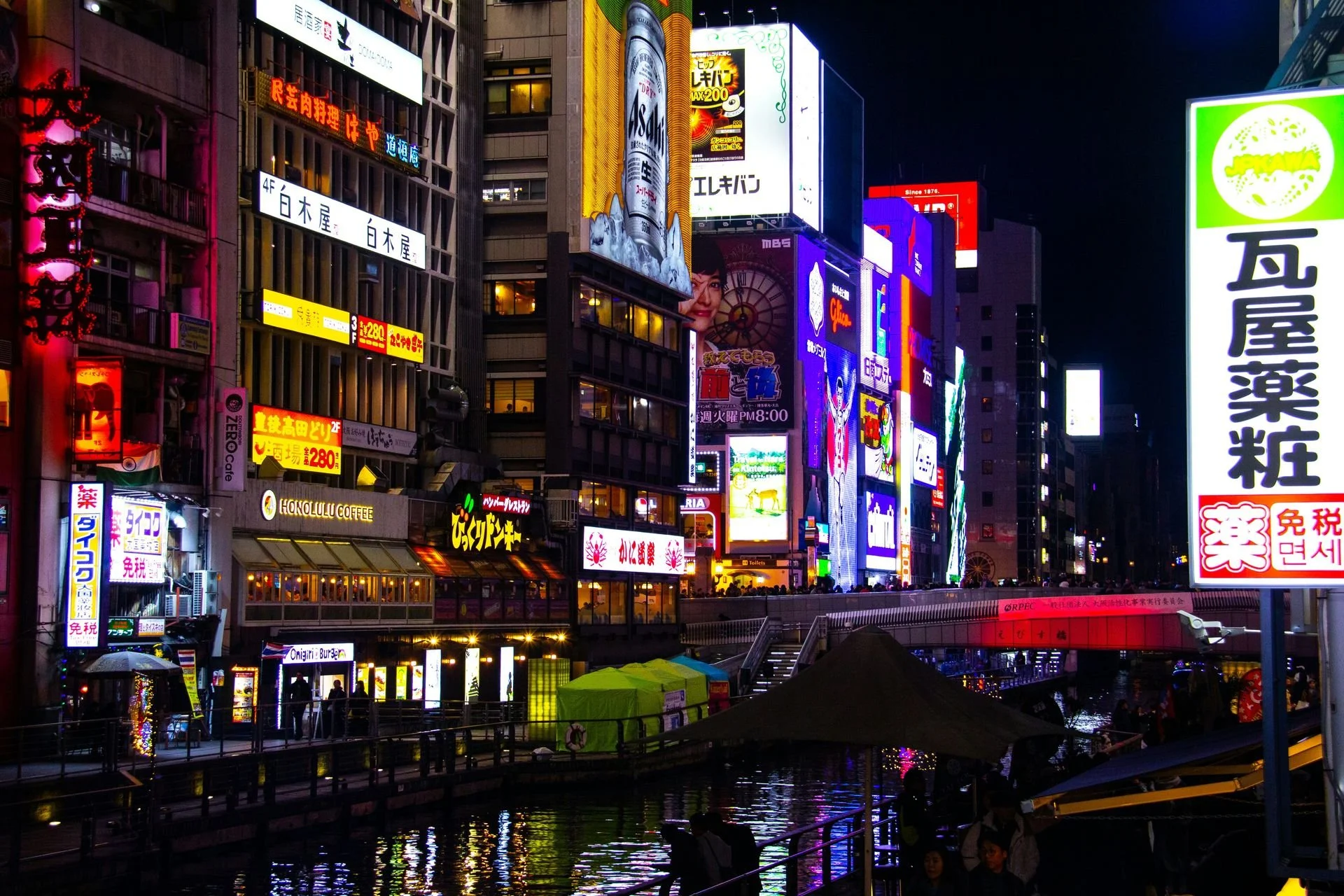
Yes, and Osaka has the liveliest queer nightlife in Japan outside Tokyo. The scene is packed into Dōyamachō, a few blocks north of Umeda, and it's famously easier on first-time visitors than Ni-chōme, with more bars that welcome foreigners and plenty of karaoke. We wrote up our favorite bars there in our Osaka guide, including the one where the entire room ended up singing.
Osaka's Pride, Rainbow Festa, runs in October around Ogimachi Park, so it's worth a look if you'd rather build a trip around Pride than blossoms.
The city itself does a lot of the work. Osaka is louder, more food-obsessed and less buttoned-up than Tokyo, and the old local saying kuidaore roughly translates to "eat until you drop." Around Dotonbori and Shinsekai there's so much international tourism that a same-sex couple checking in draws no attention at all.
Onsen, Ryokan and the Questions People Are Too Polite to Ask
Sharing a room is a non-issue. Hotels, ryokan and business chains don't ask how two guests know each other, and a double for two men or two women is routine everywhere on this route.
Onsen and public baths take a little more planning. They're separated by sex and you bathe nude, which most first-timers find far less awkward than they expected about five minutes in. For trans and nonbinary travelers, the honest picture is that a 2023 notice from Japan's health ministry tells bathhouse operators to separate guests by physical characteristics rather than gender identity. The easy workaround is a private bath: many hotels and ryokan have in-room baths or private family baths (kashikiri) you can book by the hour, and we're happy to help you find one before the trip.
Tattoos are the other wrinkle. Plenty of onsen still turn away visible ink, a holdover from tattoos' old association with organized crime. Small tattoos can often be covered with a skin-colored patch, and a growing number of places are openly tattoo-friendly, so check before you go rather than at the door.
As for public affection, holding hands won't get you in trouble anywhere, but kissing in public is uncommon for any couple in Japan. Matching the room isn't hiding. Here, it's just manners.
What a Week from Tokyo to Osaka Actually Looks Like
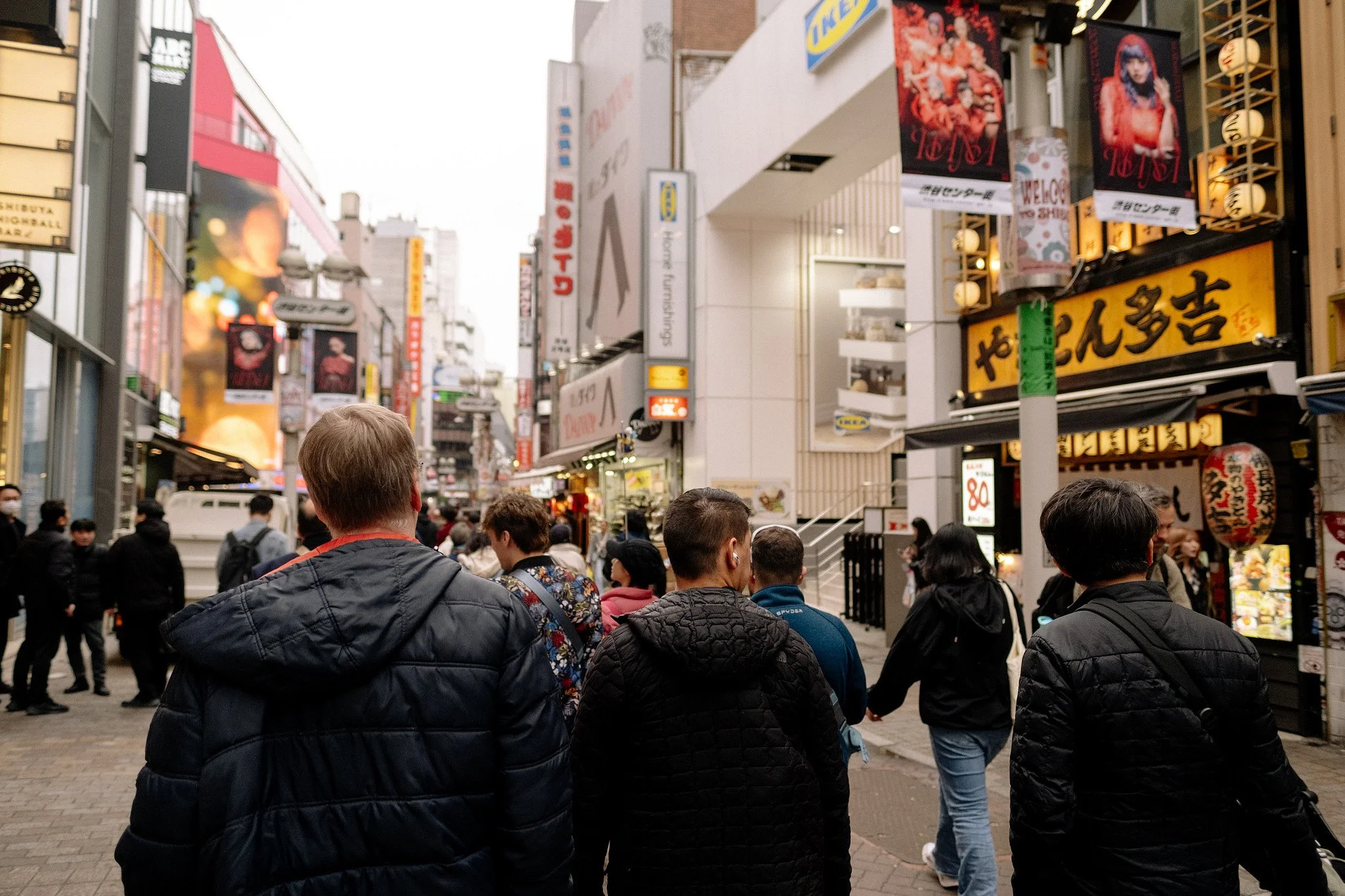
Seven days is enough to see Tokyo at full volume, slow all the way down in Kyoto, and still give Osaka a proper night out. Here's the shape our route takes, March 24 to 30, 2027, with Peter hosting alongside a bilingual local guide from Out Asia Travel.
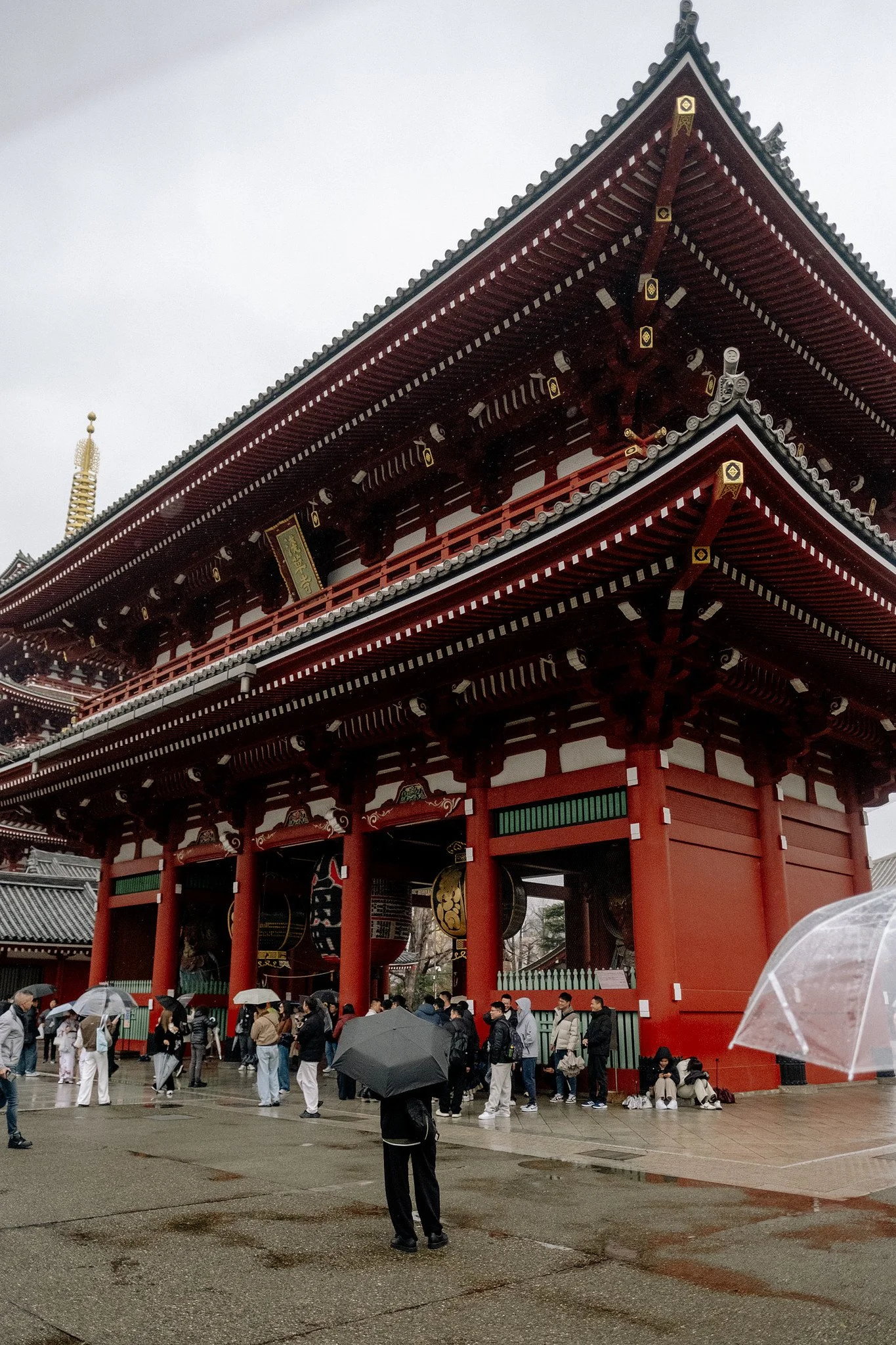
Tokyo, days one and two. You check in at Hotel Groove Shinjuku, inside the Kabukicho Tower, and meet everyone at the welcome dinner. Day two is the big Tokyo day: Tsukiji Outer Market, a hands-on sushi-making class, Sensoji in Asakusa, Meiji Shrine, Harajuku's Takeshita Street and Shibuya Crossing at full chaos. That night is the optional guided Ni-chōme bar night.
Want Mount Fuji too? Our Fuji and Hakone add-on runs on day one, with an extra night in Tokyo beforehand, and gets you back in time for the welcome dinner.
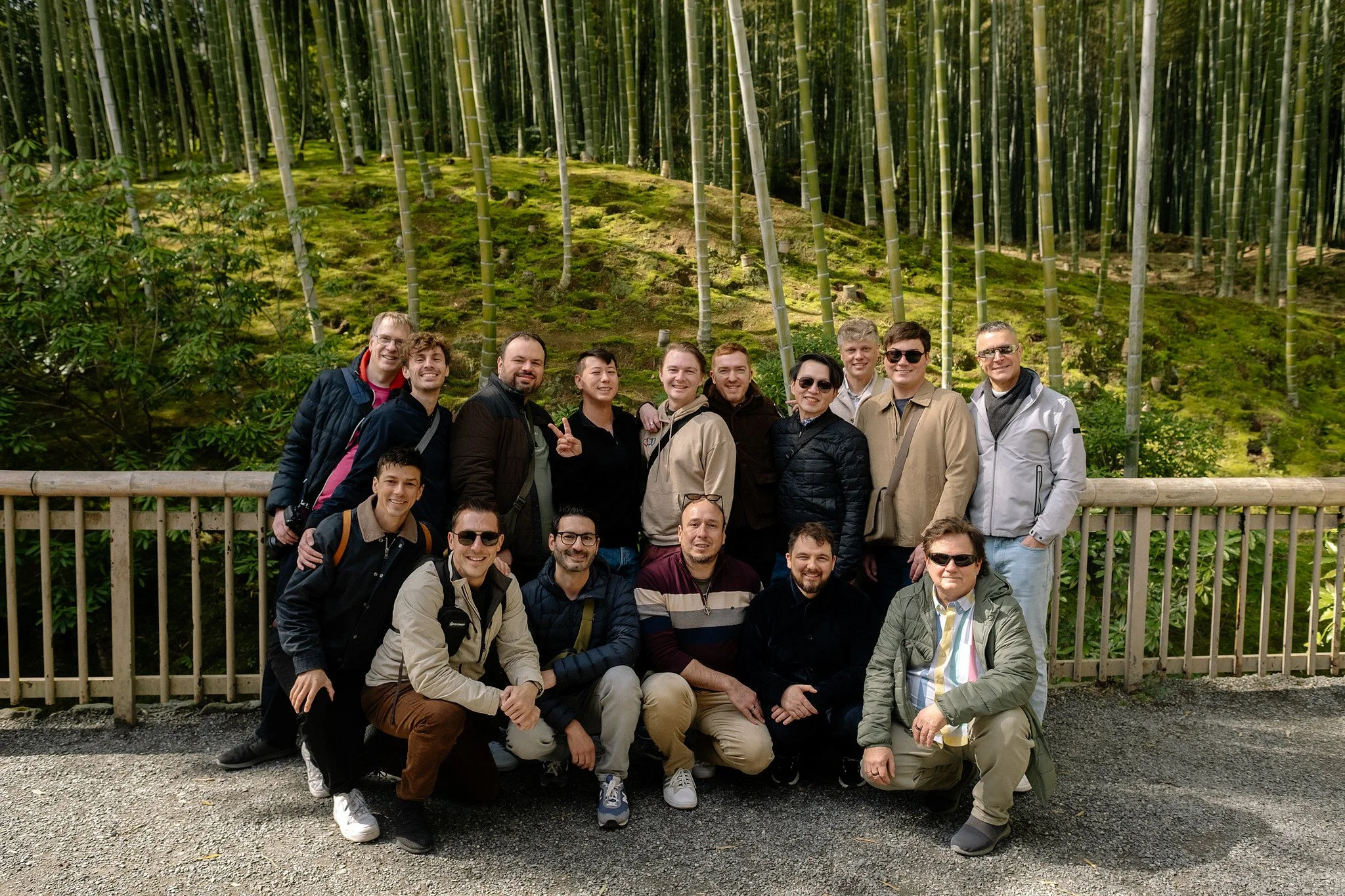
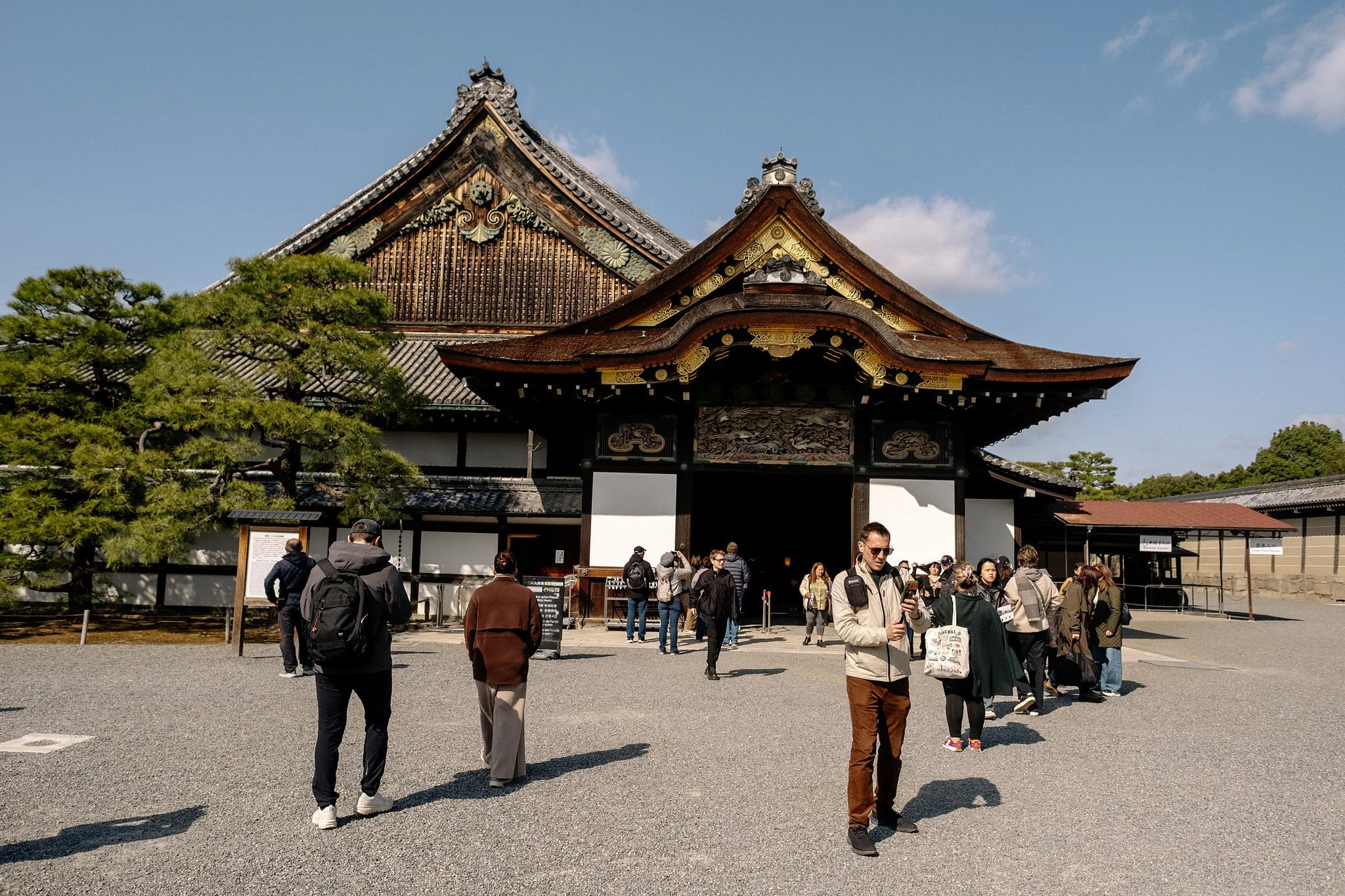
Kyoto, days three and four. The Nozomi gets you to Kyoto in a little over two hours, in time for an afternoon in Higashiyama, Yasaka Shrine and Nishiki Market, Kyoto's covered food street. Day four is the Arashiyama bamboo grove, UNESCO-listed Tenryuji next door, a tea ceremony in kimono and the climb up to Kiyomizudera. Two nights at the Solaria Nishitetsu Hotel Kyoto Premier.
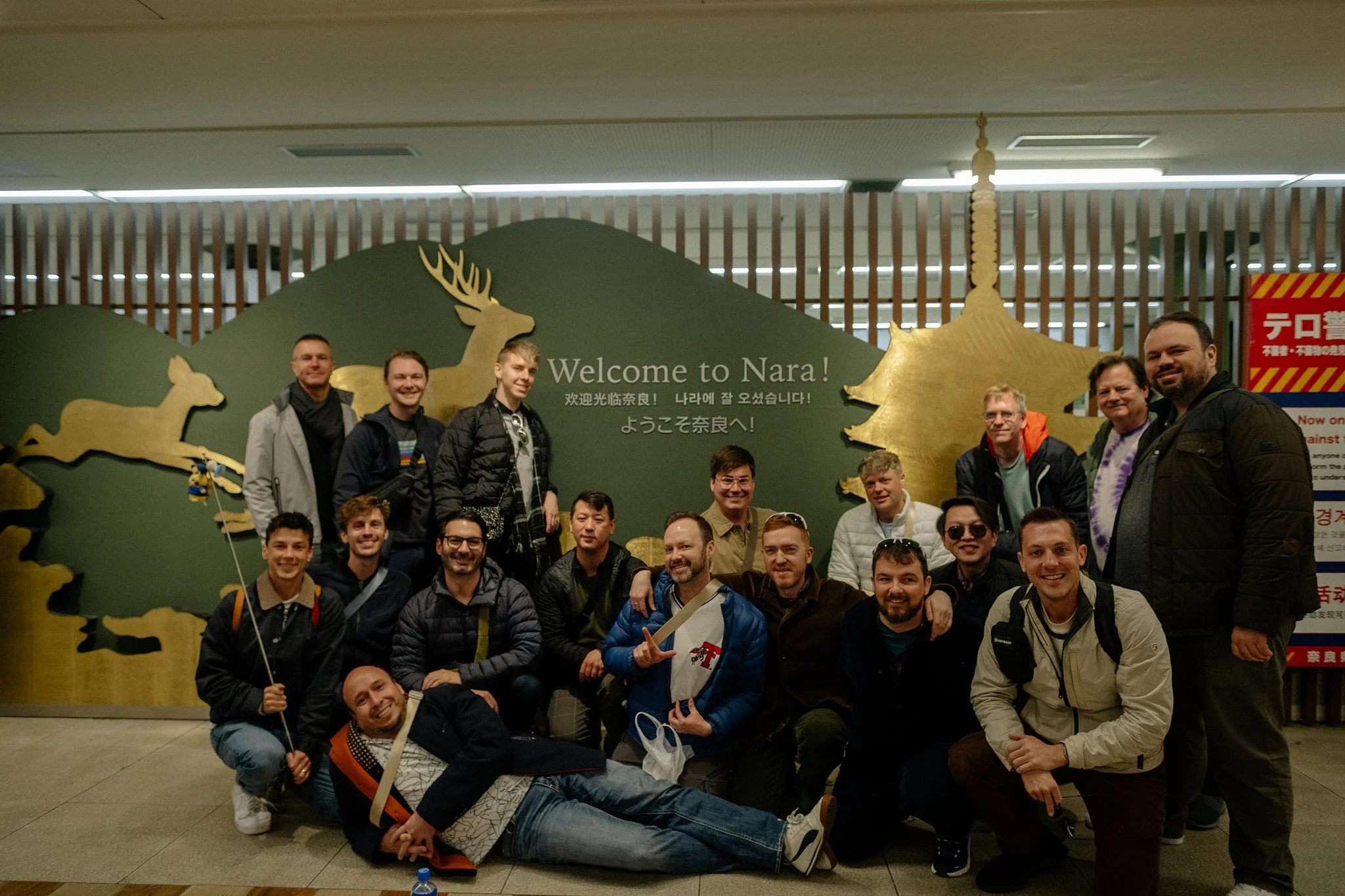
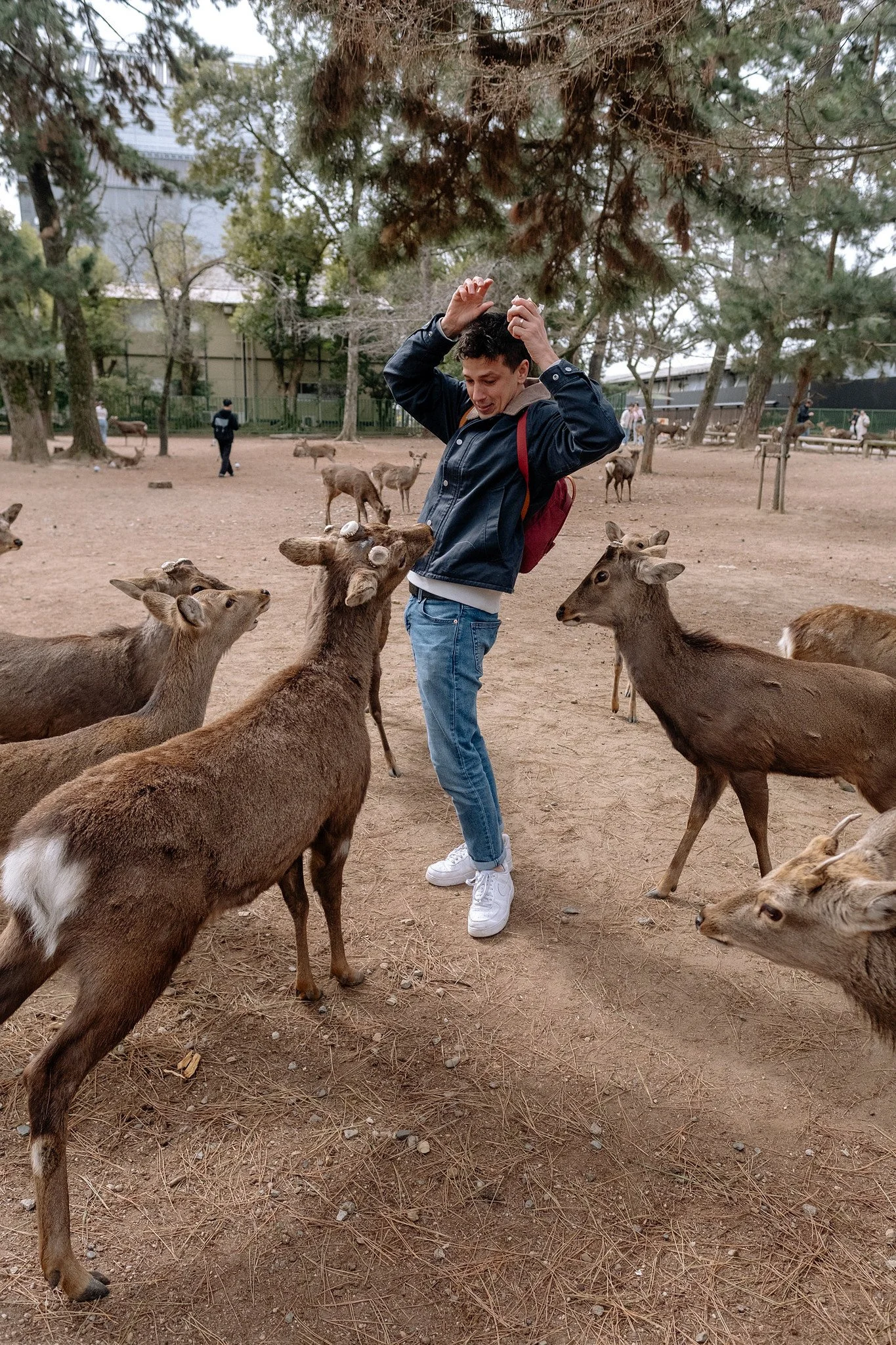
Nara and Osaka, days five to seven. The sika deer at Nara Park bow for crackers (and will absolutely headbutt you for them if you hesitate), and the bronze Buddha at Todaiji is bigger in person than any photo prepares you for. Then it's Osaka Castle and Dotonbori once the neon comes on.
Day six is free until a late-afternoon walk through Shinsekai and the farewell dinner, and on day seven you fly home from Kansai. Two nights at voco Osaka Central, close to transit and the nightlife.
The full day-by-day, pricing and what's included live on the trip page.
When Should You Visit Japan?
Late March into early April is cherry blossom season, which is exactly why our route runs then. October and November are just as beautiful for autumn color. Both are the busiest, priciest weeks of the Japanese year, so book well ahead if you're set on either.
Summer is hot and humid across all three cities, with a rainy season that runs through June. Winter is cold, quiet and underrated, with the thinnest temple crowds you'll ever see.
For Pride, it's June in Tokyo (Yoyogi Park) or October in Osaka (Rainbow Festa).
Meet the Host: Peter Yacobellis
Peter came to hosting from politics and LGBTQ+ advocacy, including a term as an elected official in Montclair, New Jersey and founding the town's LGBTQ+ organization. Before that he spent years planning travel for political campaigns, so a group of travelers and a bullet train timetable don't scare him.
He scouted this whole route with Matthew in March 2026, during the same cherry blossom window you'll be traveling in, so he knows where the crowds will be and how to get around them.
Ready to See Japan With People Who Get It?
Sensoji will be there whether you show up with a group or with pocket wifi and a phrasebook. What a group gives you is someone to split a convenience-store egg sandwich with at 1 a.m. after Ni-chōme, and a whole row of the bullet train gasping at the same moment when Fuji appears.
Come solo if that's your style, since most of our travelers do. It's seven days, March 24 to 30, 2027, Tokyo to Osaka, with 25% down to hold your spot.
See the full itinerary and book · Browse all our gay group trips
Frequently Asked Questions
-
Broadly, yes. Same-sex relationships have never been criminalized in Japan, harassment of queer visitors is rare, and as of August 2026, 566 municipalities and 31 prefectures issue partnership certificates covering about 94 percent of the population. Japan is still the only G7 country without nationwide marriage equality.
-
Not yet. Five High Courts ruled the ban unconstitutional between 2024 and 2025, one upheld it in November 2025, and in March 2026 the Supreme Court referred all six cases to its Grand Bench. A ruling is expected as early as the end of fiscal 2026, which closes in March 2027.
-
Yes, Tokyo is one of the safest major cities in the world for queer visitors. Shinjuku Ni-chōme is the center of the gay scene, with tiny bars stacked in buildings, cover charges commonly around ¥1,500 to ¥2,200, and a few Japanese-only spots. The realistic risk of a night out is missing the last train.
-
Yes, in a quiet and unremarkable way. Kyoto City has issued partnership certificates since 2020, and ryokan and hotels don't question shared rooms. There's no gay district and very little nightlife, which fits a city that isn't a nightlife city for anyone.
-
Yes. Osaka has the liveliest queer nightlife in Japan outside Tokyo, concentrated in Dōyamachō just north of Umeda, and its Pride event, Rainbow Festa, runs in October.
-
Yes, routinely. Hotels, ryokan and business chains don't ask about the relationship between two guests sharing a room, and it isn't treated as unusual anywhere on this route.
-
Public onsen are separated by sex, and a 2023 health ministry notice tells operators to separate guests by physical characteristics rather than gender identity. Many hotels and ryokan offer in-room baths or private family baths (kashikiri) you can reserve, which are the easiest option.
-
Late March into early April for cherry blossoms, or October and November for autumn color. Both are peak crowd and peak price, so book early. Winter is colder but far quieter at the major temples.
-
Peter Yacobellis hosts the route alongside a bilingual local guide from Out Asia Travel, an LGBTQ+-owned tour partner based in Japan. Most of our travelers book solo. You join the trip's WhatsApp group as soon as you book, and we run group Zoom calls before departure.


Is Japan LGBTQ+ friendly? Dive into our honest breakdown of Tokyo, Kyoto, and Osaka, exploring everything from local laws and shared hotel rooms to Tokyo's legendary Ni-chōme scene and Osaka's Dōyamachō.