
Peru LGBTQ+ Group Trip: Lima, Cusco & Machu Picchu
Hey! This guide answers whether or not Peru is gay friendly, where to stay and go out in Lima and Cusco, what to expect visiting Machu Picchu for the first time, and how our upcoming SideQuests' 8‑day LGBTQ+ group trip (July 11–18, 2027) handles all of the details for you!
Quick answer: Yes, gay Peru travel is safe, welcoming, and one of the most rewarding adventures in South America. Same-sex relationships are legal, and the places you’ll actually visit… Lima’s Miraflores and Barranco neighborhoods, Cusco, the Sacred Valley, and Machu Picchu are tourism-focused and easy to navigate. This guide covers whether Peru is gay friendly, where to stay and eat, the gay scene in Lima and Cusco, whether Machu Picchu is hard to hike, and how our Peru gay tour handles all of it for you, July 11–18, 2027.
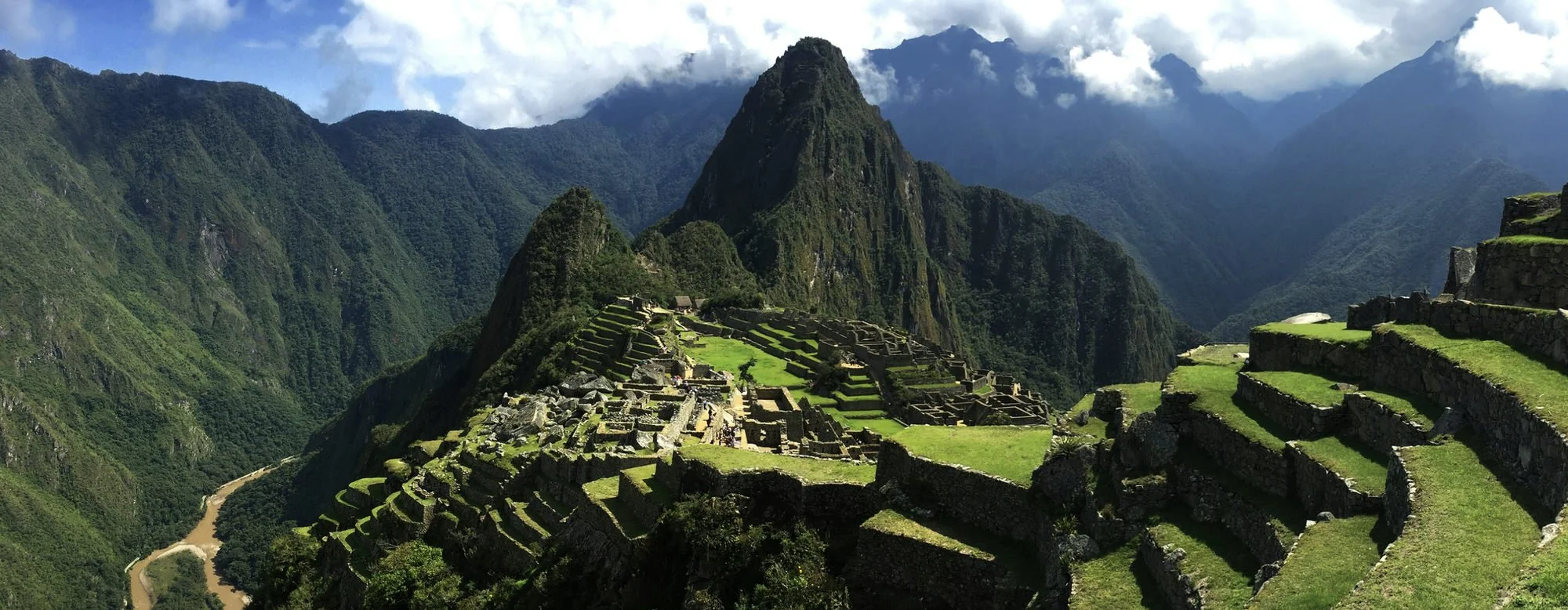
That first full view of Machu Picchu from above stops you cold every time. Worth the altitude, worth the early wake-up, and worth every step to get here.
There’s a particular kind of city that doesn’t immediately hand itself over to you. Lima is that city, and after a decade of carrying it around with me, leading our group through Peru last September felt like coming home.
I first came to Lima in 2015, not as a tourist or a tour host, but as a young, naive, and very ambitious photographer working for a non-profit. For four months I lived there and soaked up the city as much as I could. I spent my days traveling out to the pueblos jóvenes on the outskirts, these young neighborhoods that seemingly appear overnight as thousands flock to Lima daily from every corner of Peru… the jungle, the Andes, the desert–chasing economic opportunity or simply the possibility of turning life into something more. After work I’d grab a combi, one of those little sprinter vans decked out in flashing lights and blaring music, and for under a dollar I could catch a ride across town to bustling Miraflores.
Ten years later, I got to share that country with a small LGBTQ+ group of travelers on a SideQuests trip through one of the most storied itineraries in South America: Lima, Cusco, the Sacred Valley, and Machu Picchu. Watching people fall for Peru the way I did… speechless over their first taste of ceviche, gasping at the view as we rounded corners around the Sacred Valley, tearing up at Machu Picchu… that is exactly why we do this. And we’re headed back: our next Peru LGBTQ+ group trip runs July 11–18, 2027. Whether you’re researching your own gay Peru travel plans or thinking about joining us, this is the honest, lived-in guide I wish I had the first time I visited Peru.
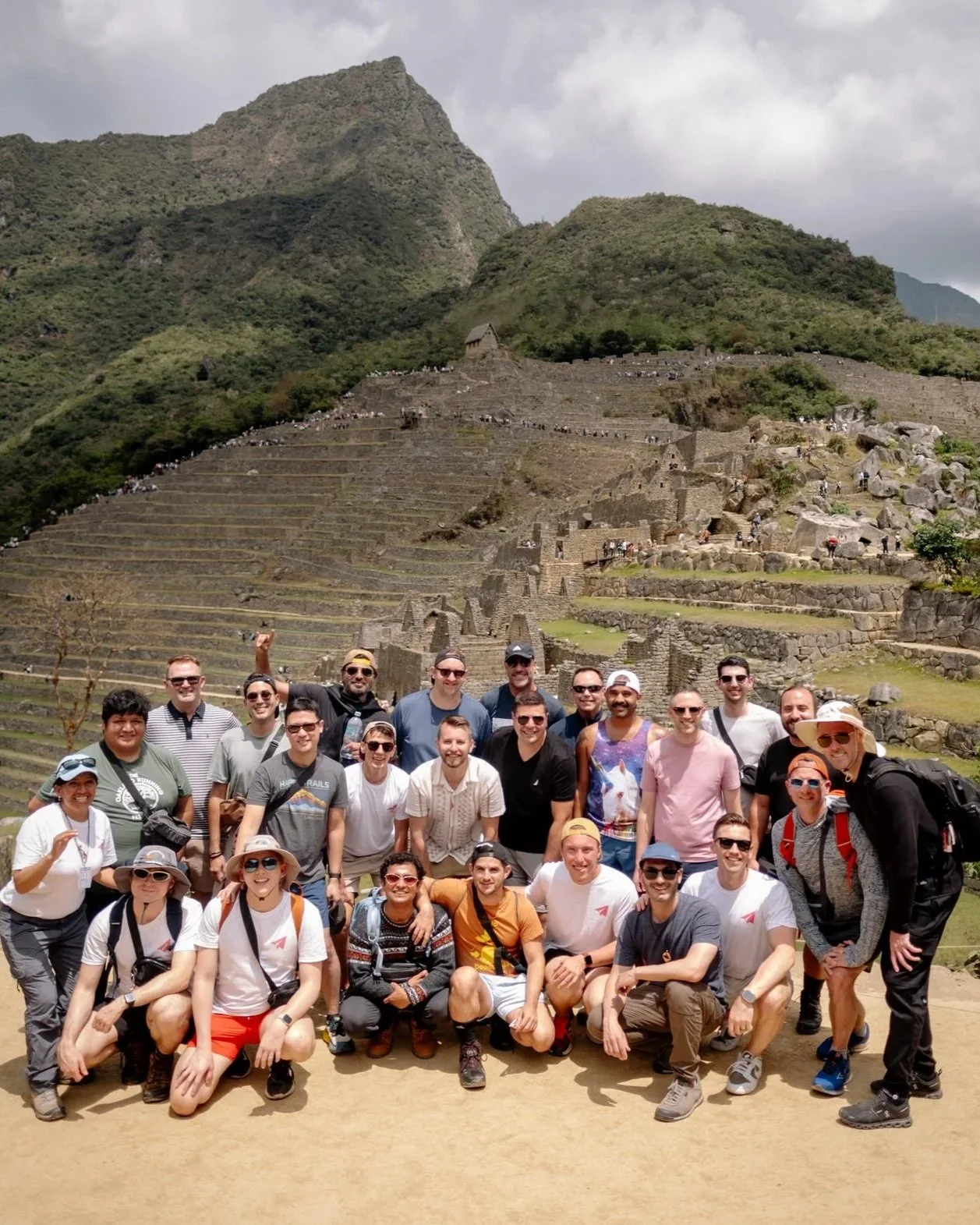
The whole crew at Machu Picchu—terraces and clouds rising behind us. This is the kind of view that earns its astonishment in person.
Is Peru Gay Friendly?
The Short Answer: Yes, Peru Is Safe and Welcoming for LGBTQ+ Travelers
Yes, Peru is gay friendly in all the places you’ll spend your time on a trip like this. Same-sex relationships are legal throughout the country, and the major tourist corridors like Lima, Cusco, the Sacred Valley, and Machu Picchu are well-traveled and moderately comfortable for LGBTQ+ visitors. Lima’s Miraflores and Barranco neighborhoods in particular have a visible, growing queer community and a pretty easy-going, be-yourself kind of attitude.
So how gay friendly is Peru, really? More than its reputation suggests, with one true and honest caveat. Peru is a predominantly Catholic, culturally traditional country, and attitudes outside the major tourist hubs are a bit more reserved. Public displays of affection between same-sex couples can draw glances in some of the smaller towns and rural areas. It’s something to be aware of if visiting less-touristed areas in Peru, but not so much a safety warning. In the welcoming zones of Lima and the well-traveled streets of Cusco, openly gay travelers are simply part of the general atmosphere. We’ve participated in multiple LGBTQ+ group tours through Peru, and every single one has had a safe, joyful, and deeply meaningful experience, free from homophobia and harassment.
One of the biggest reasons our groups feel at ease is that we travel with LlamaTrip, an LGBTQ+-owned and operated local company that’s among the very best tour operators in Peru. Having a local team that lives inside the country’s queer community is the difference between hoping a place is welcoming and experiencing it’s welcoming atmosphere. (If you’re weighing Latin America more broadly, our guide to whether Colombia is safe for LGBTQ+ travelers is a useful read to compare/contrast.)
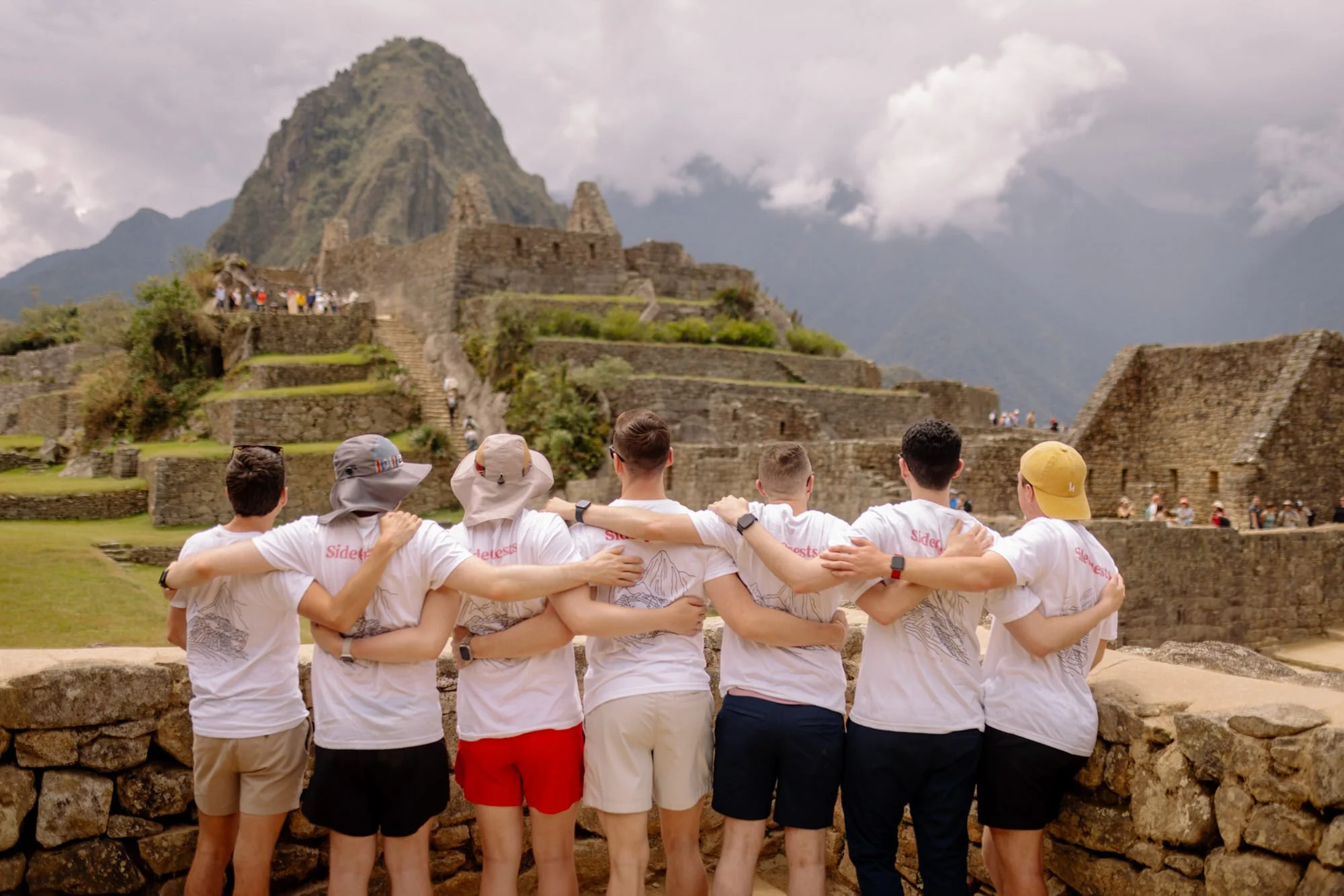
A squad moment at Machu Picchu... matching tees, arms around each other, and Huayna Picchu rising behind you. Hard to beat!
Want to Travel to Peru?
Join the SideQuests community on an 8-day journey through Peru’s most iconic landscapes. This inclusive LGBTQ+ group trip is all about ancient history, incredible food, jaw-dropping views, and making the kind of friends and memories that stick with you for years.
Lima: A City That Gets Under Your Skin
Lima holds over ten million people now and sprawls a massive distance along the Pacific coast. From June through September the city can be smothered within a system of clouds and fog, a microclimate that is entirely its own thing… drive just twenty miles north or south and you’ll be drenched in sunlight. It’s moody and atmospheric in a way I’ve come to love, like the city is perpetually keeping something to itself. But, don’t be dismayed, even July and August have their sunny days–and overall, the weather is quite mild.
Here’s the honest truth about Lima: there’s so much to do and see that it can feel overwhelming, especially on a first visit. For some people it’s an acquired taste, and I get that… many great things in life are acquired tastes, like red wine and dark chocolate! (if you don’t like dark chocolate, I’m so sorry–keep trying it… you’ll get there!) ;) Give the city a little time and a little patience. Let Lima be big and foggy and humid and complicated and extraordinary, and then on a sunny day, you’ll begin to understand and smile, holding newfound appreciation for this beautiful city.
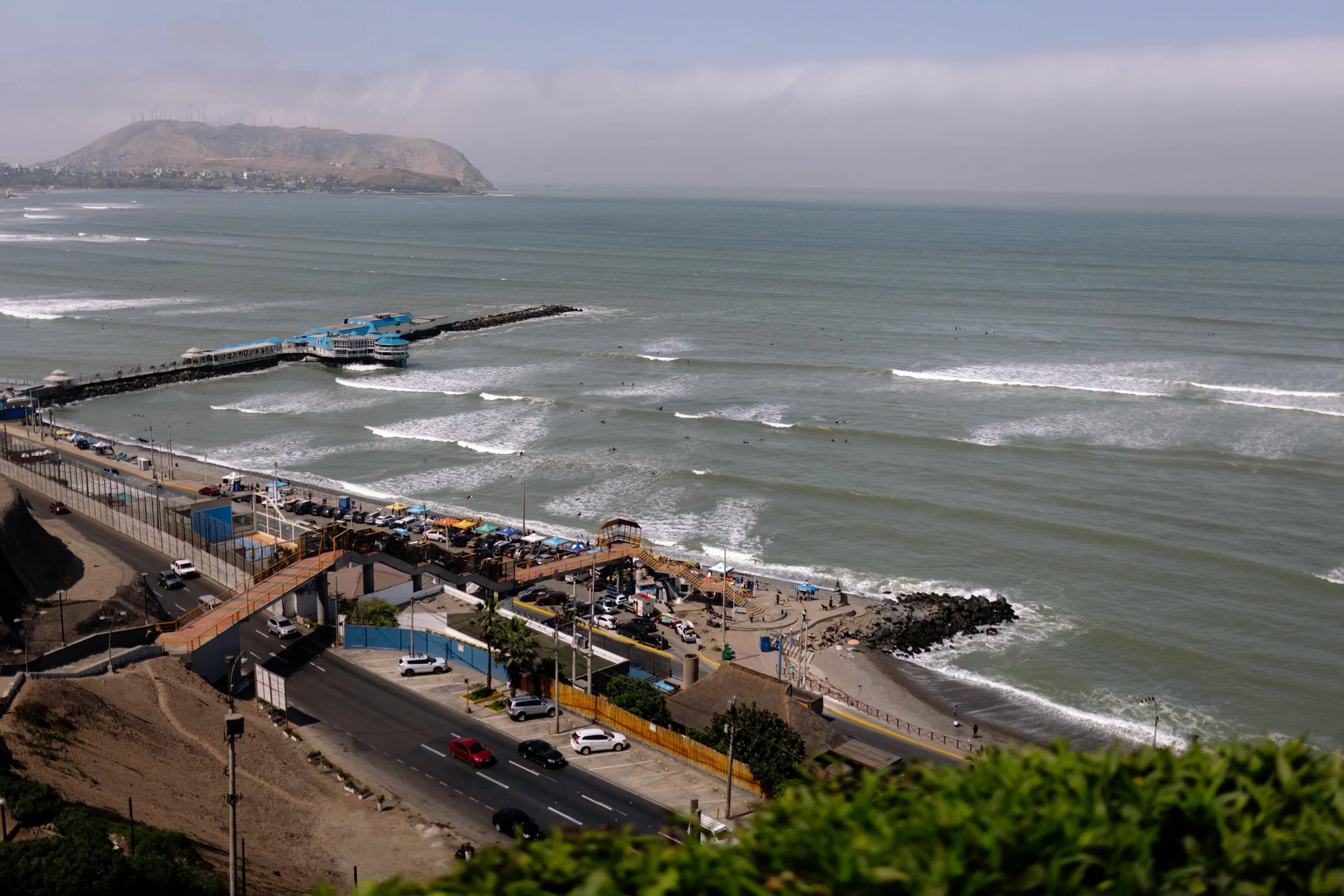
Where to Stay in Lima
For LGBTQ+ travelers specifically, Miraflores and Barranco are the most welcoming, most comfortable parts of the city by a significant margin, and you cannot go wrong between them.
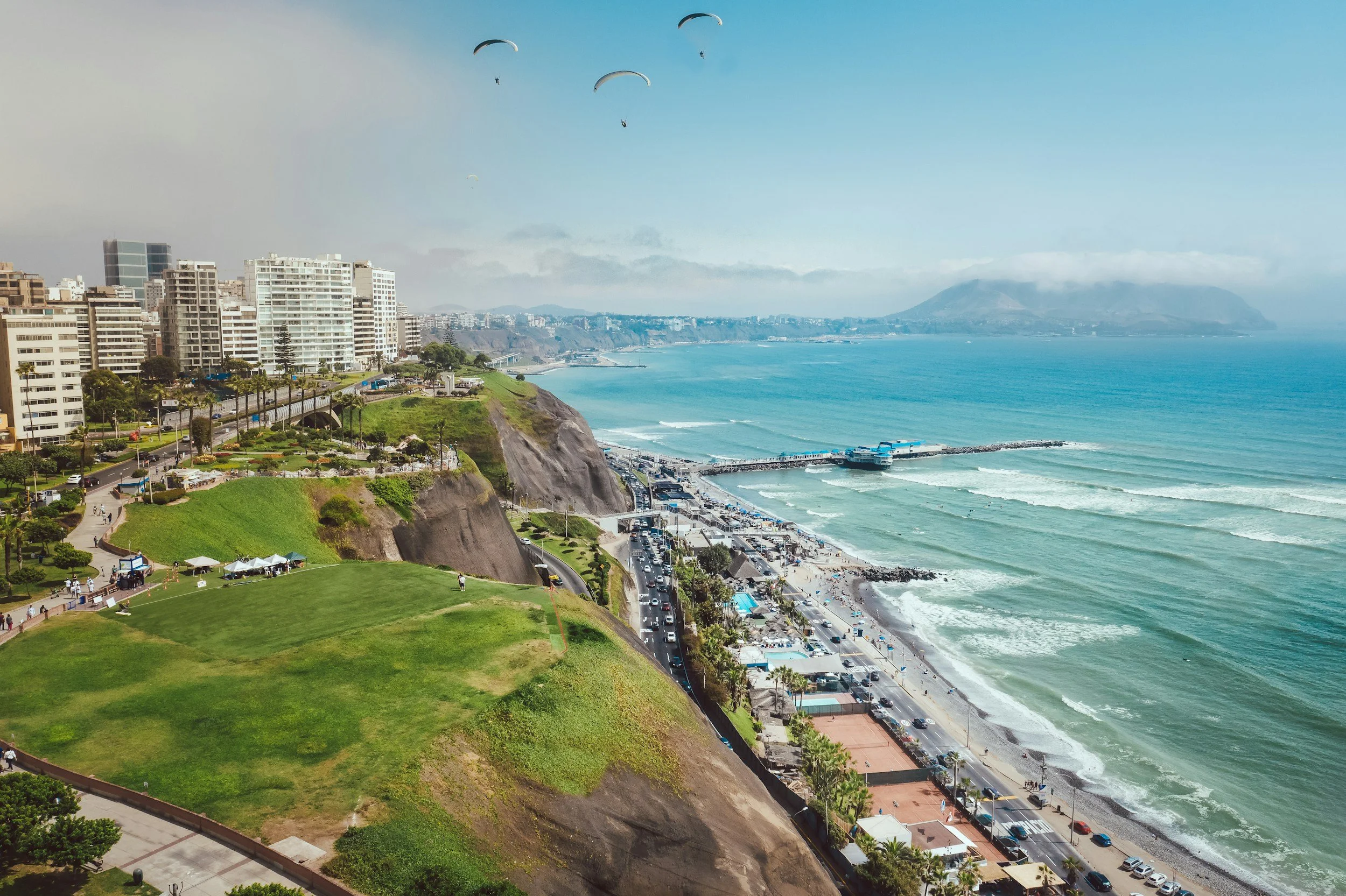
Miraflores is the most vibrant and exciting experience Lima has to offer, right on the ocean cliffs. The Malecón, a long paved walkway winding miles along the coastline from San Isidro down to Barranco, is stunning… you can bike, rollerskate, jog, or simply walk the gardens for hours. I stayed at the Casa Andina Premium in the heart of the neighborhood and it was exactly what I needed. If you want something even more luxurious, the JW Marriott sits right at the edge of Larcomar, the huge multilevel mall on the cliffs with sprawling coastline views.
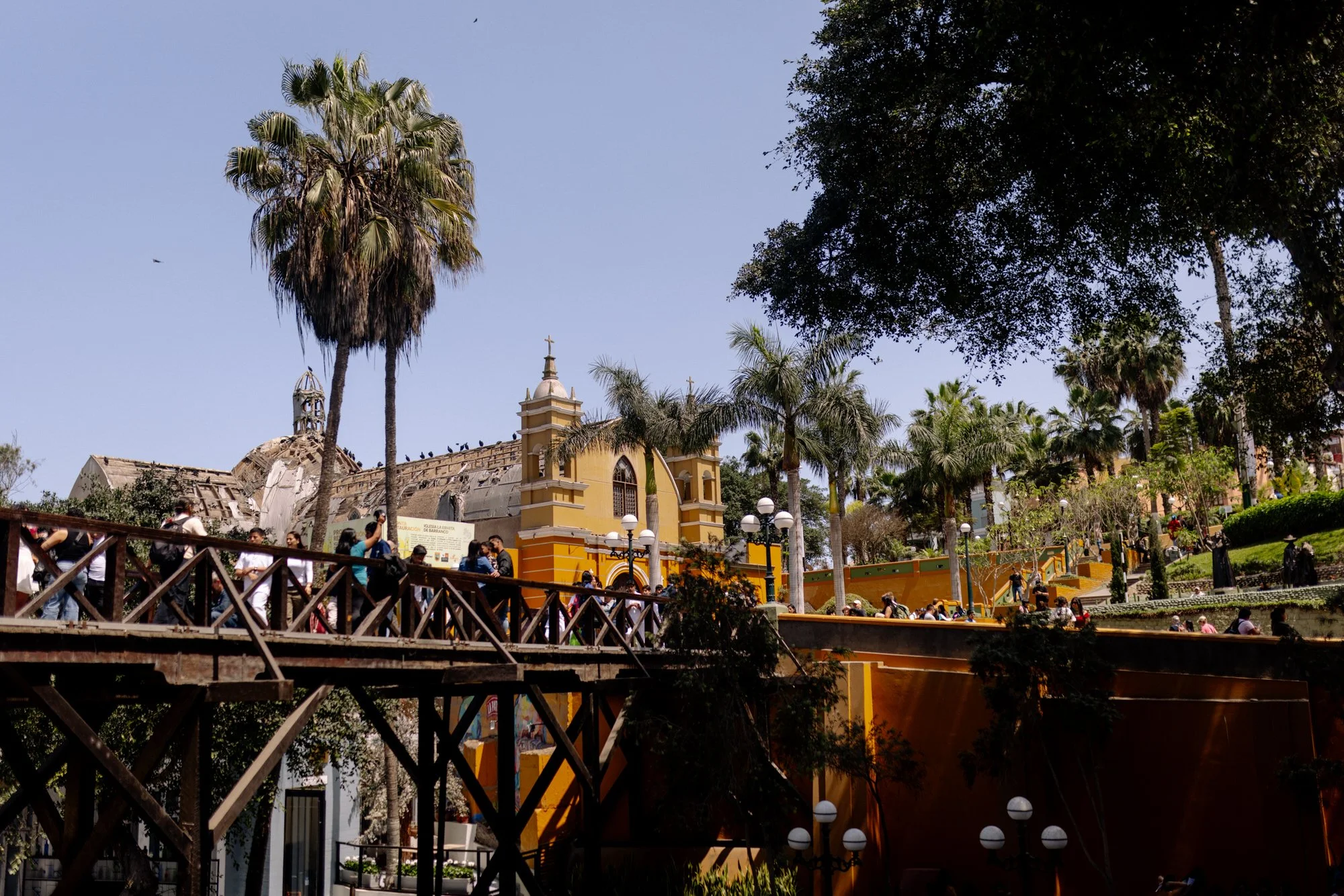
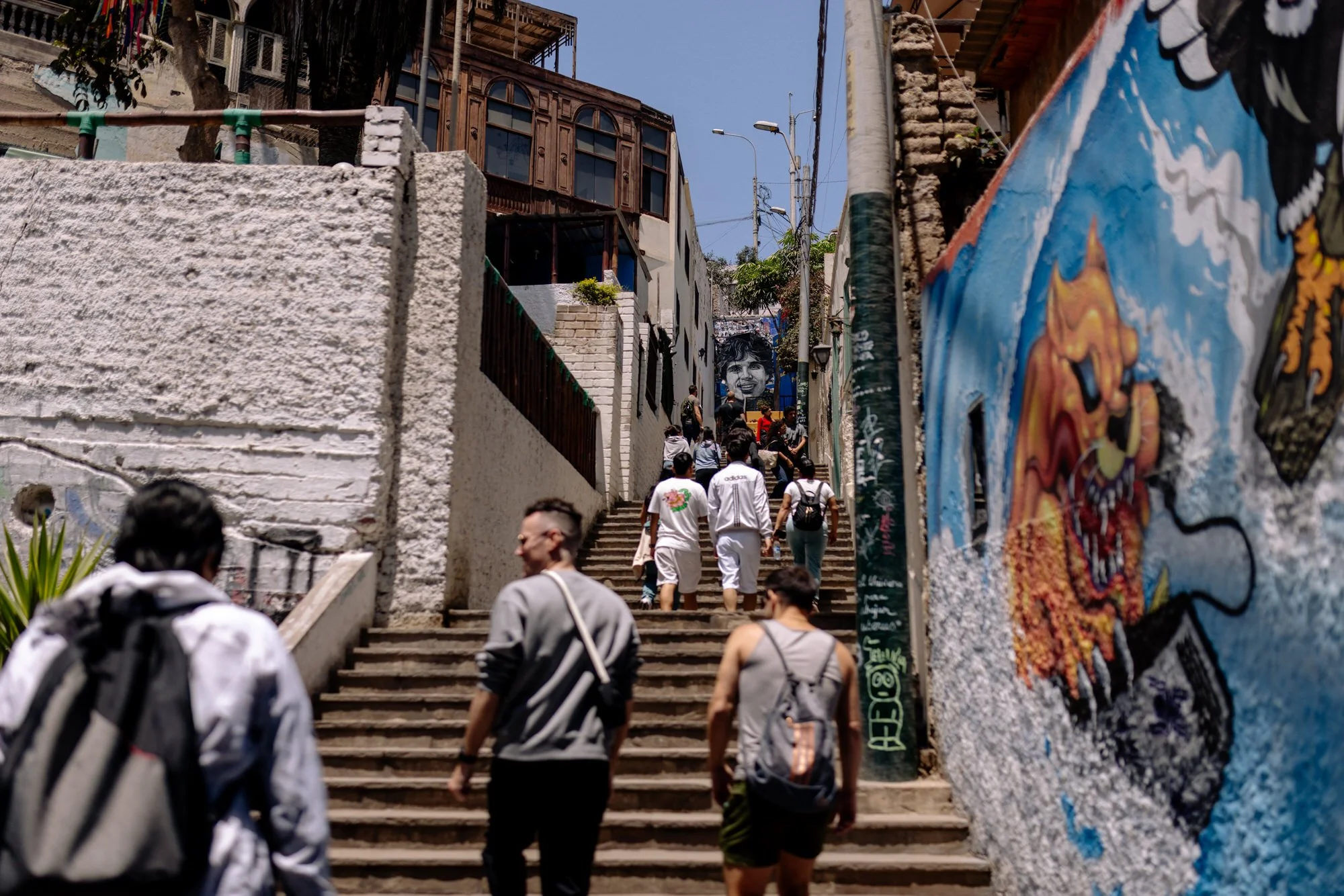
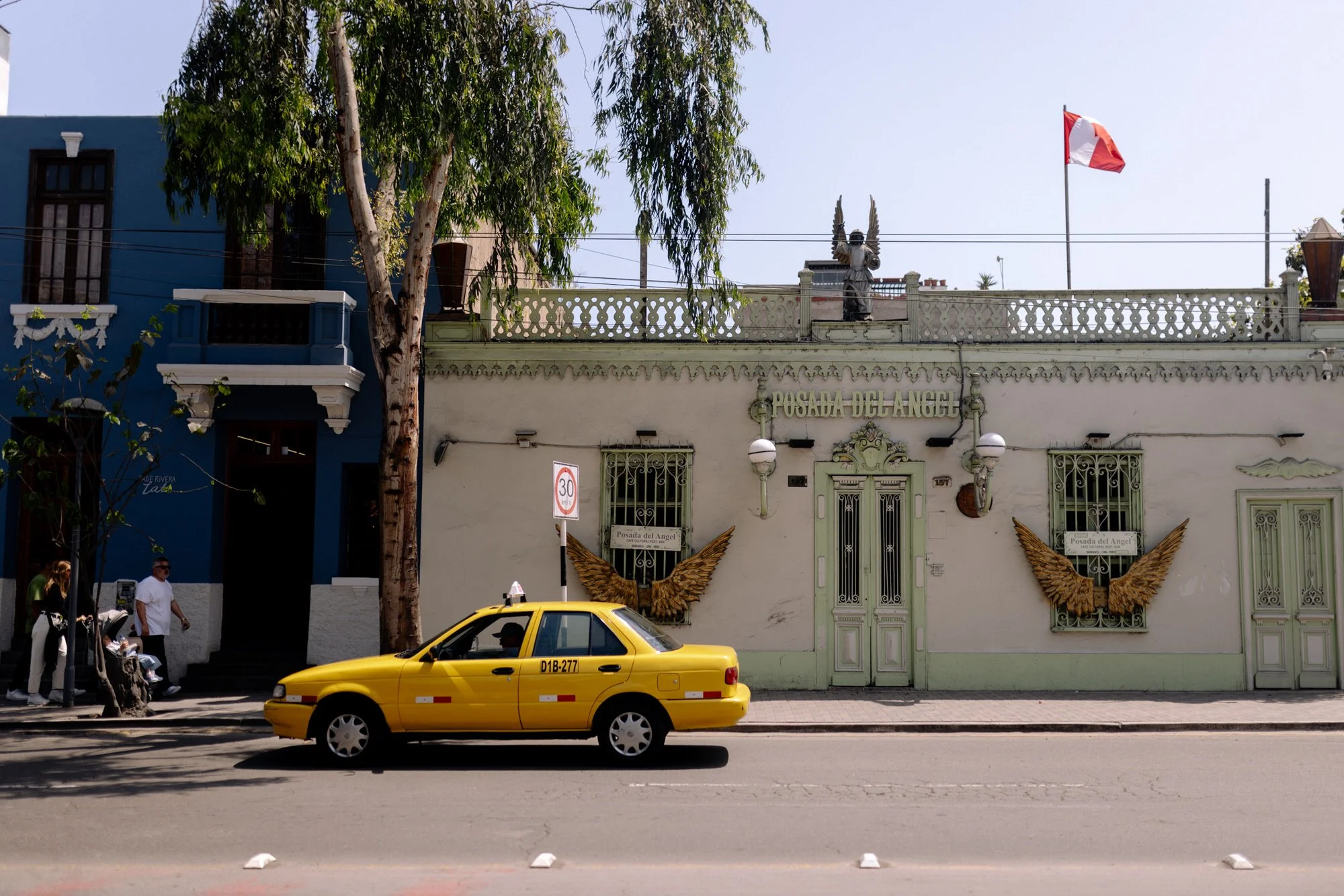
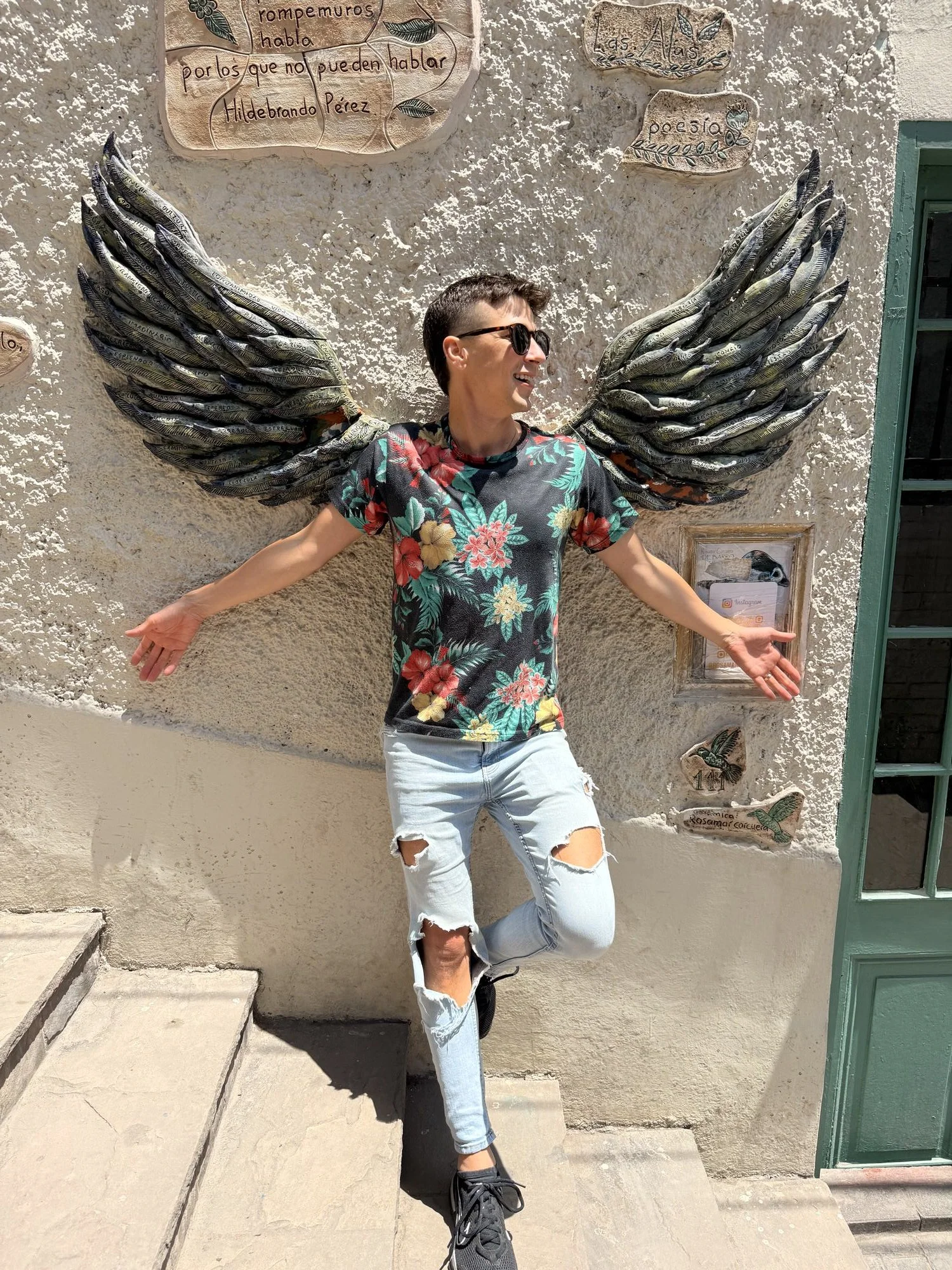
Barranco is the bohemian, more relaxed sister neighborhood just south, and it might be my favorite part of the city. If Miraflores is Pop music or Top-40, Barranco is it’s hip alternative punk rock bestie. If Miraflores is Sabrina Carpenter, Barranco is Olivia Rodrigo… She’s edgy, okay!? Street art and graffiti highlight the rugged edges of buildings, narrow pathways work downward toward the beach, and giant Victorian homes have transformed into bars, restaurants, and clubs that come alive in the evening with eclectic garden parties. Barranco is the place to see and be seen, with an energy Miraflores, for all its polish, simply could never replicate. It’s the kind of neighborhood where you get passionfruit in your pisco sour and wear your sunglasses at night just to show them off. The boutique Casa República here is a stunner if you want something design-forward.
Where to Eat in Lima
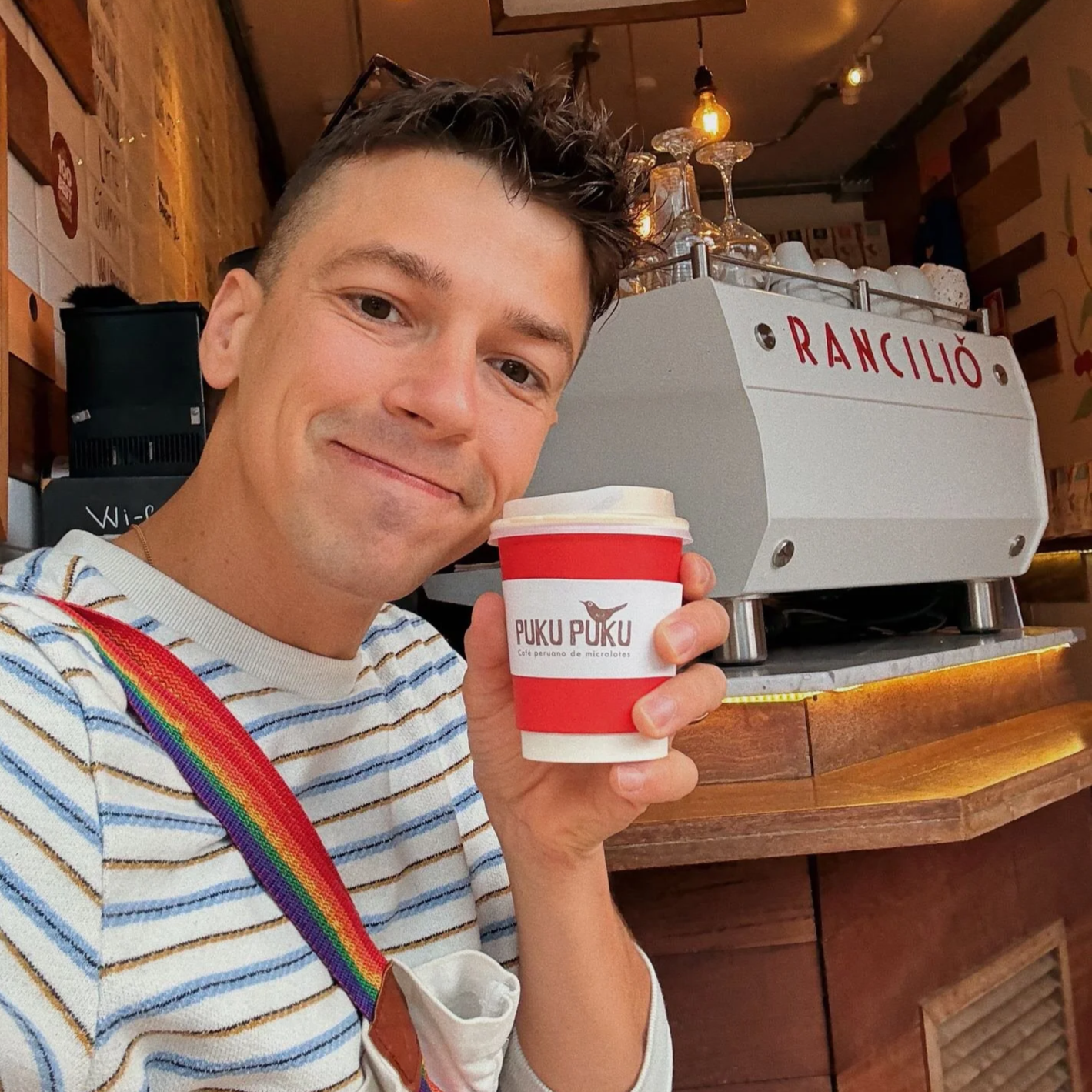
Before anything else… coffee. Grab it at Puku Puku.
What started as a tiny hole-in-the-wall single-origin shop in Miraflores has grown into locations all over Lima, still serving the same optimal-quality espresso I fell in love with on my first visit years ago. Some things scale well, and Puku Puku is one of them.
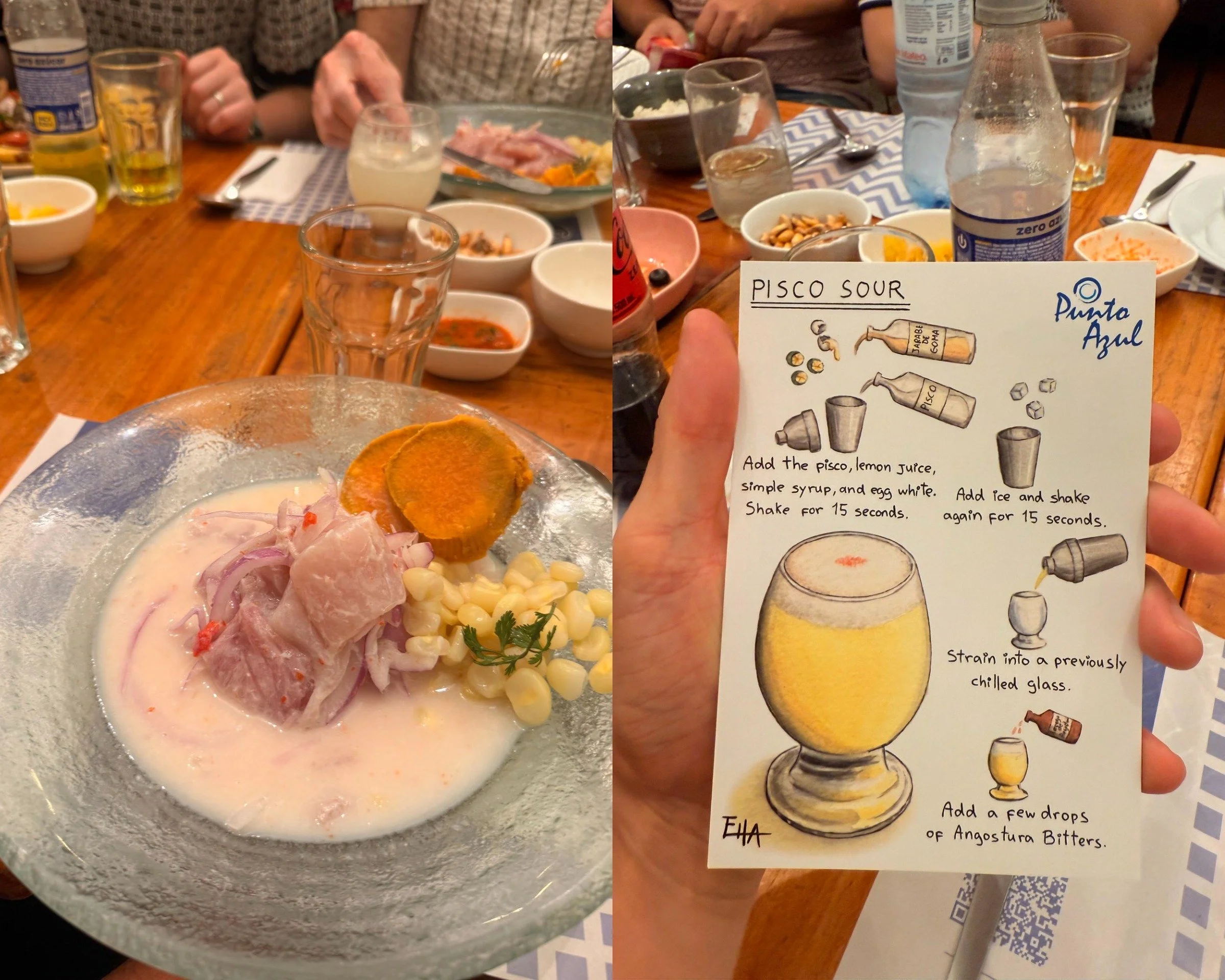
I met our group at Punto Azul for our first dinner together, and I need you to understand something:
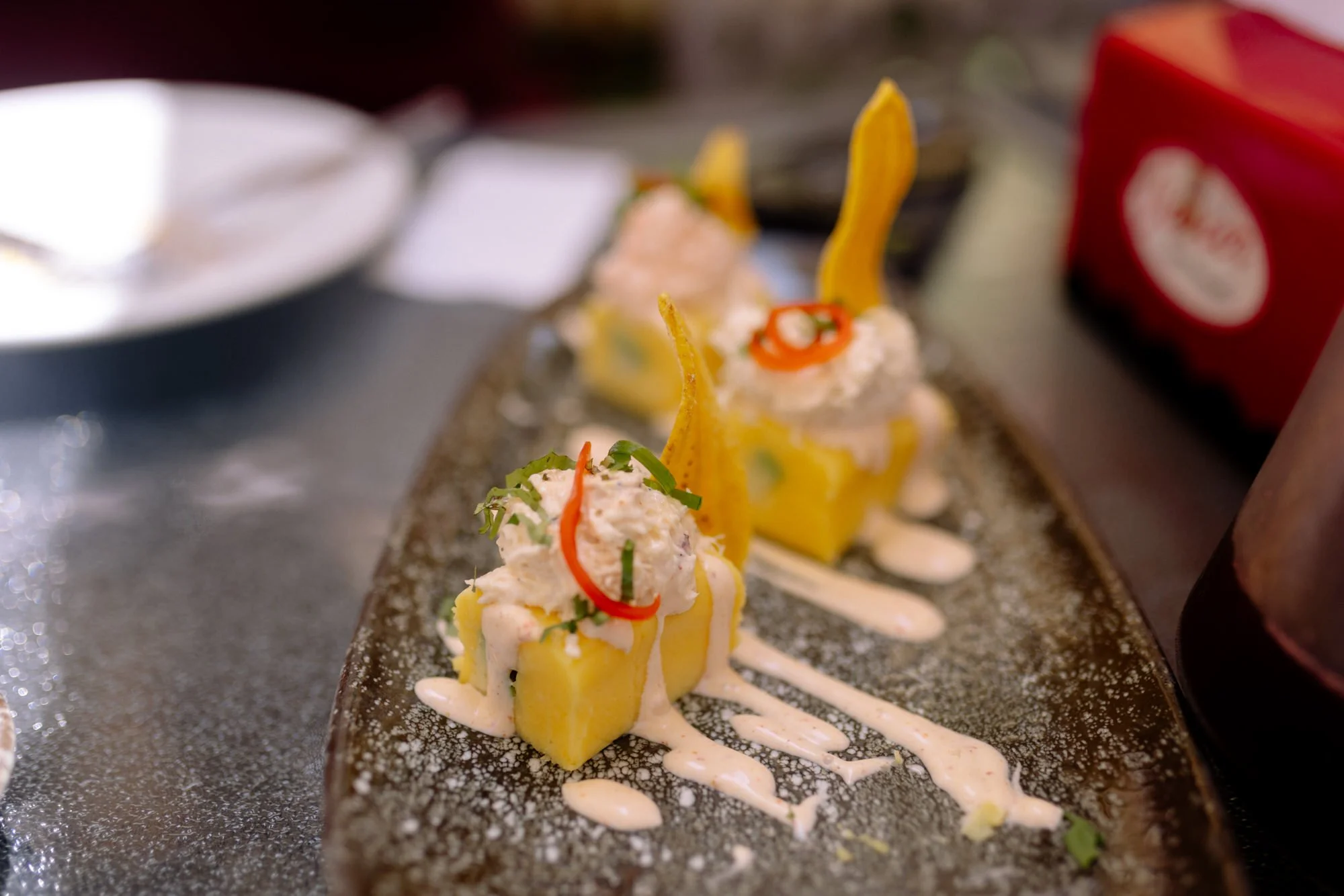
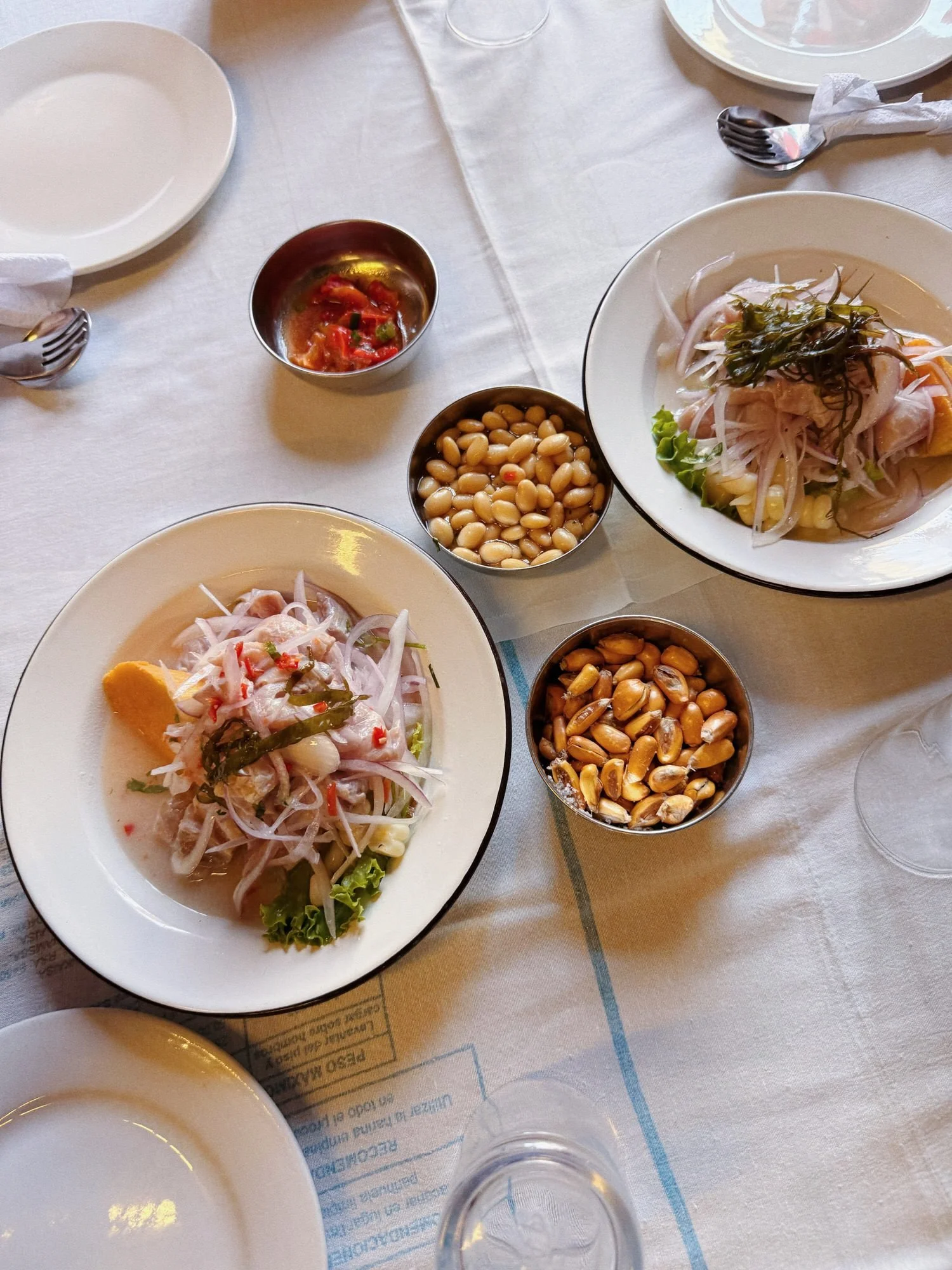
Peruvian ceviche cannot be replicated anywhere else. Layers upon layers of causa, leche de tigre, mariscos mixtos, and classic ceviche with fresh cuts of sea bass, grouper, and sole, marinated in lime with salsa criolla and a little rocoto slice, served over sweet potato and big kernels of choclo... The group was quiet for a few minutes after the first bites, letting the flavors set in. Then, a big WOW hit their faces. Some nearly dove for their piscos to wash down the spicy bits of rocoto they swallowed. This dish alone is the reason you build extra days into Lima, seriously.
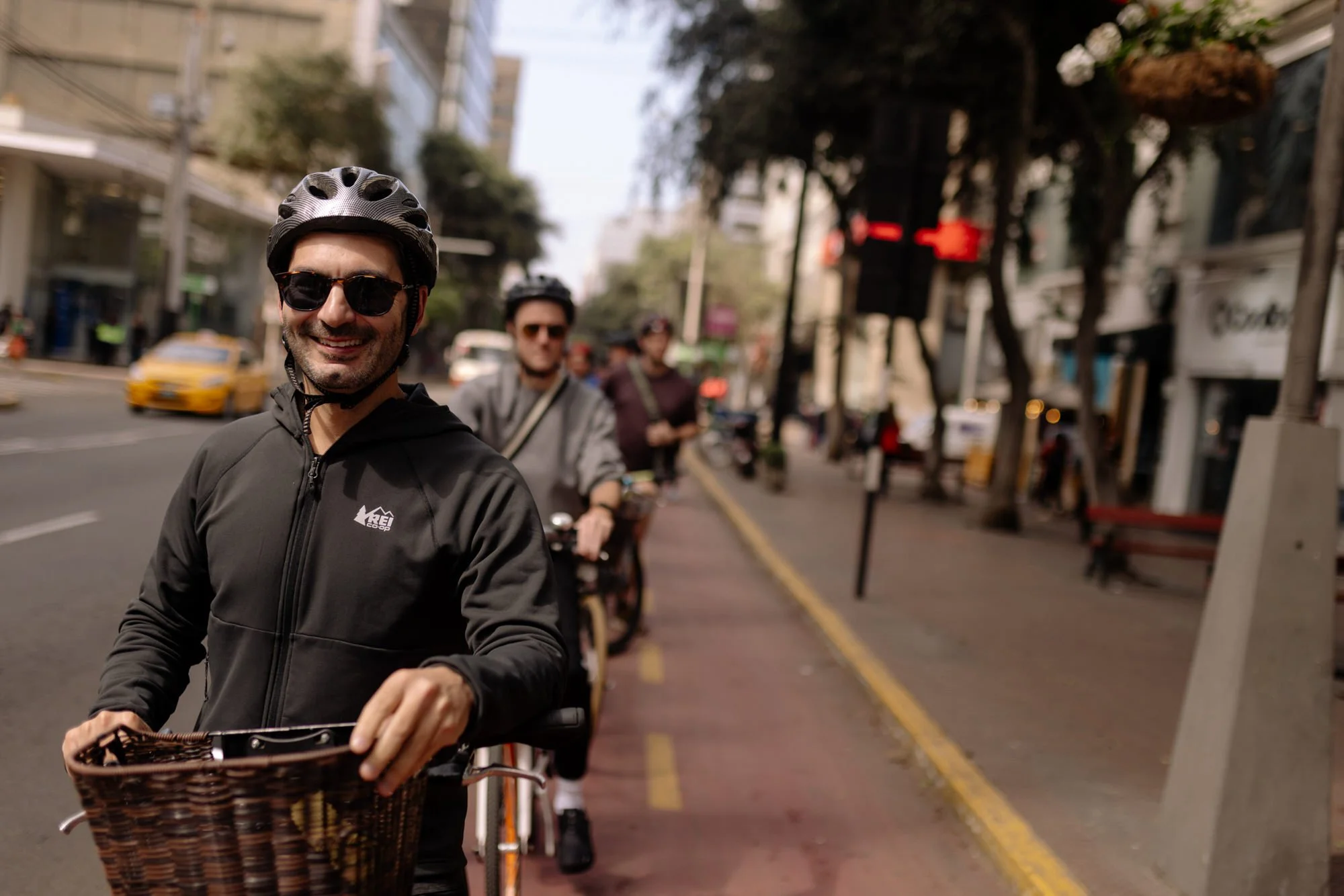
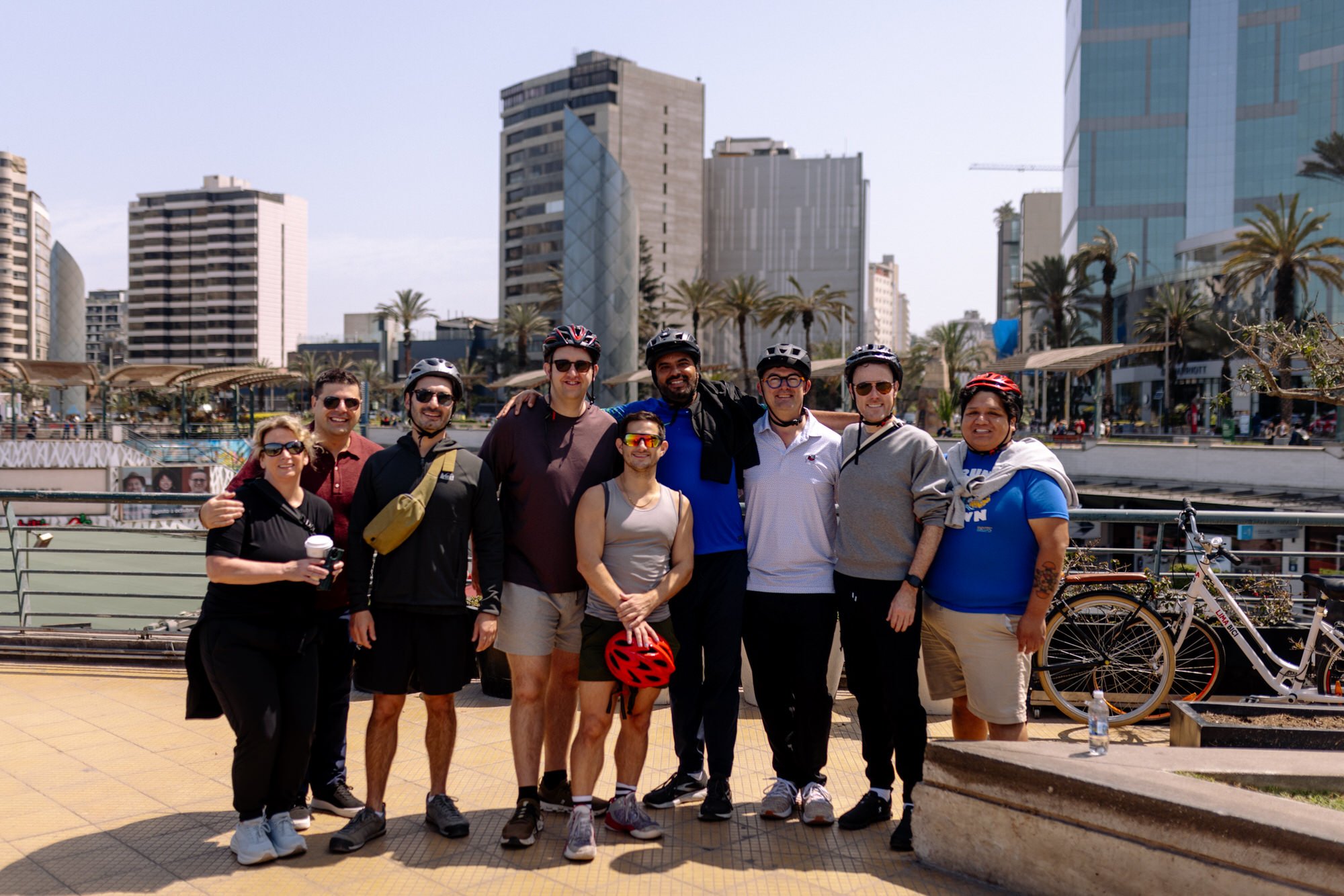
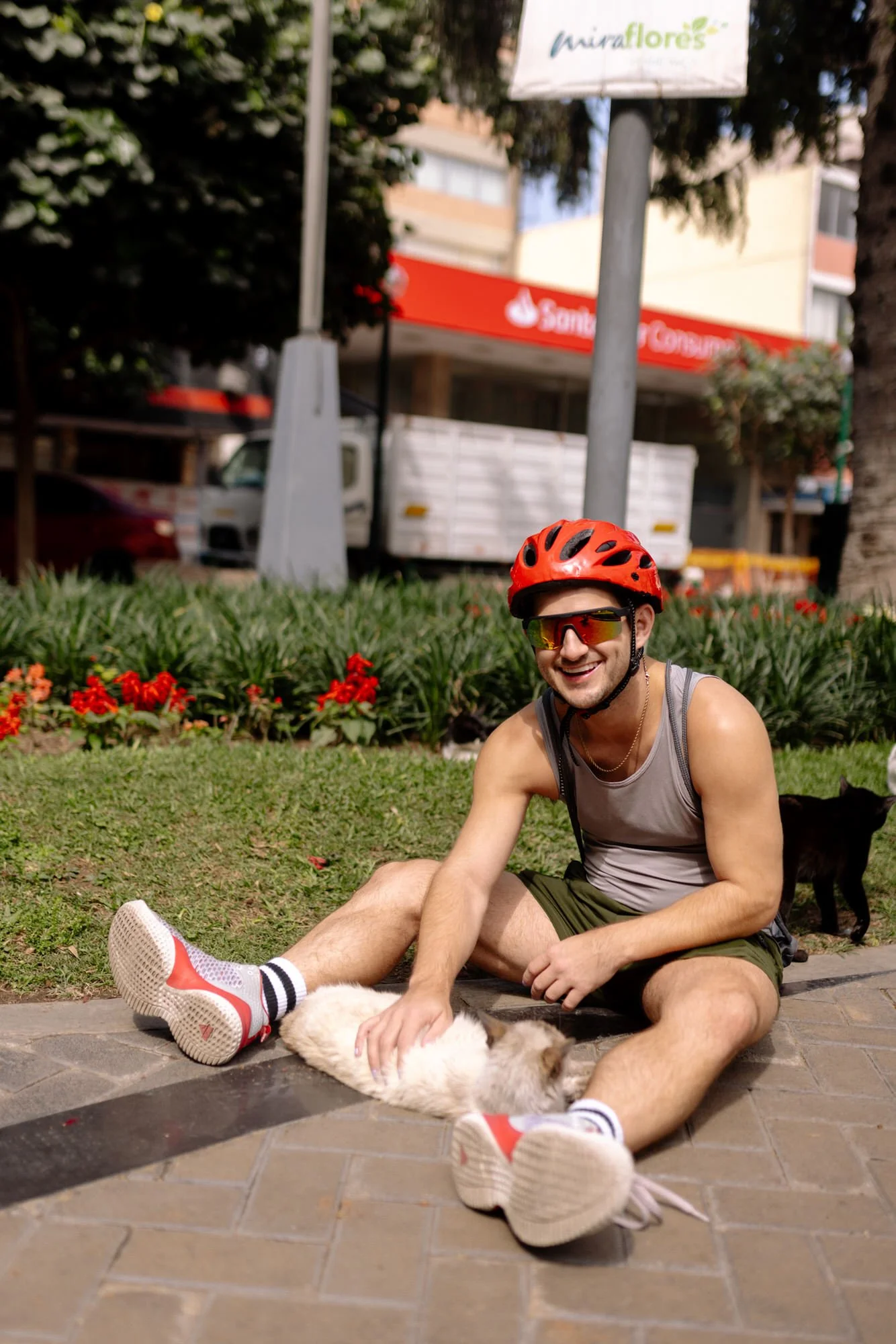
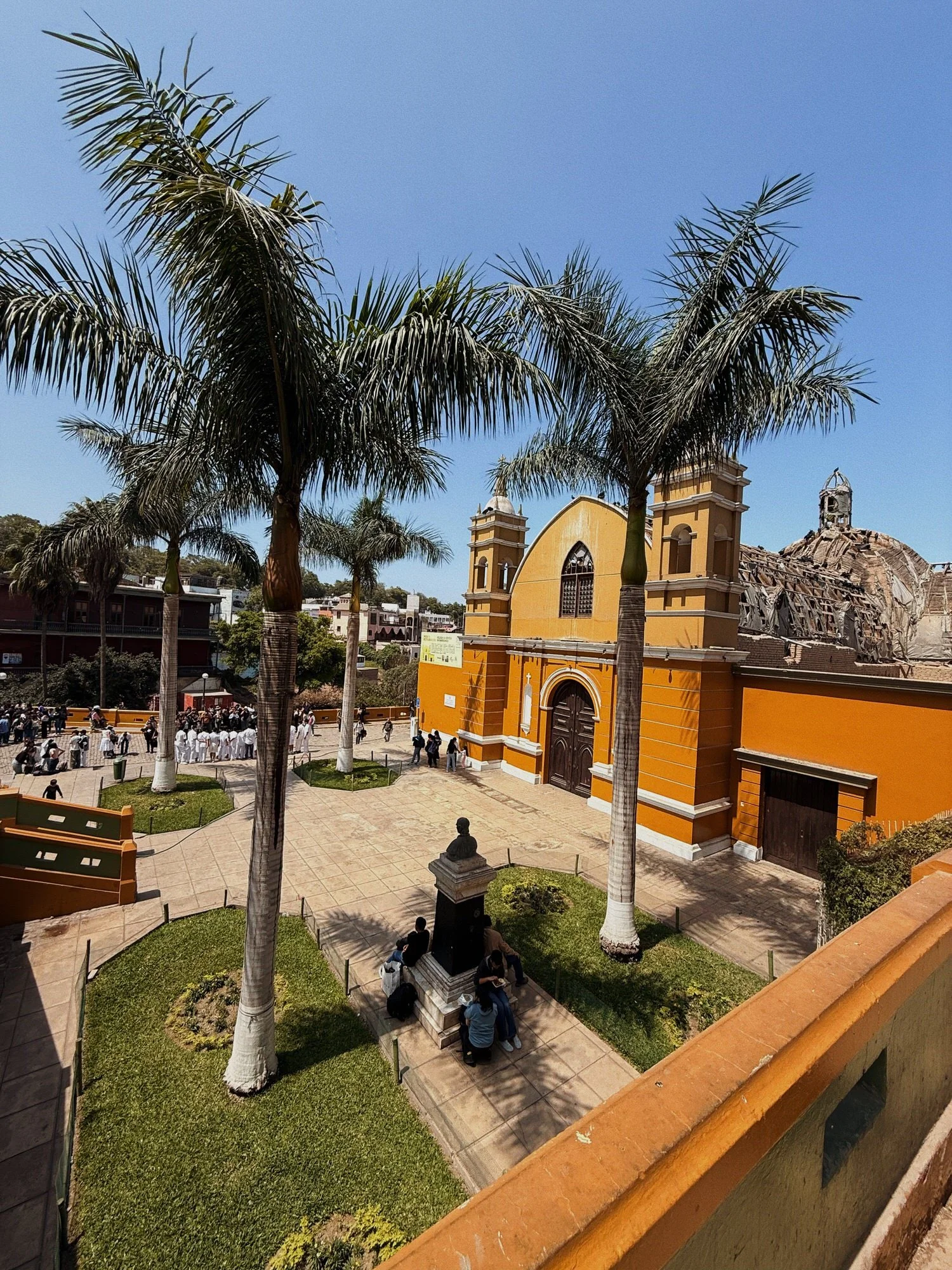
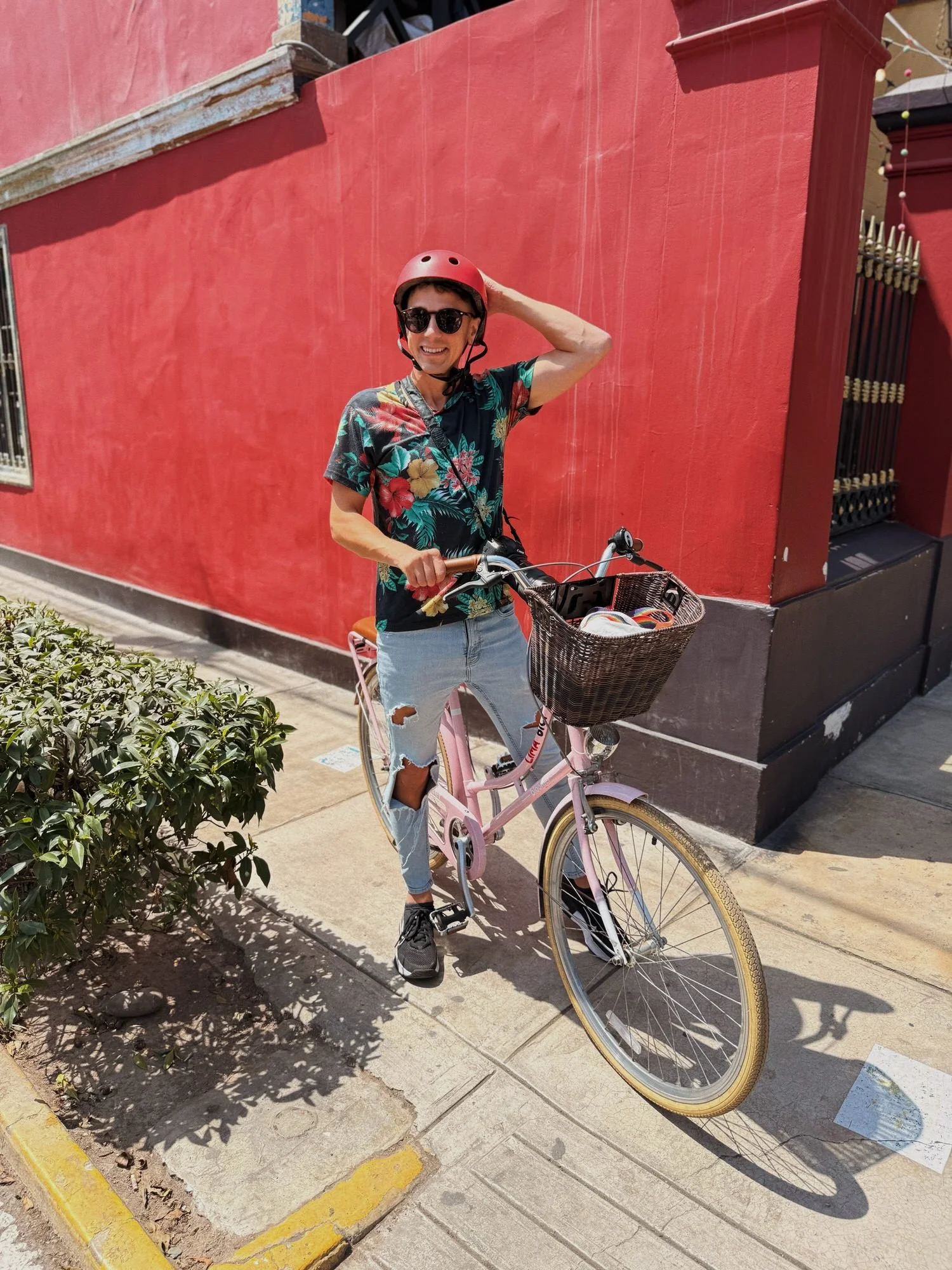
The next day we did an epic bike tour through Miraflores, cycling first to Parque Kennedy, the heart of the neighborhood and home to hundreds of cats. Yes, it’s as chaotic as it sounds, and it’s beautiful. The cats were originally introduced in the 1990s to handle a rat problem, priests from the nearby Virgen Milagrosa Church often credited with bringing in the first ones, and now they’re beloved fixtures cared for by a network of local volunteers, blinking slowly at you from park benches like they own the place. Which, honestly, they do. We just borrow the park from them for short visits. We are the cats' house guests.
From there we rode past the Park of Love, along the Malecón, and down into Barranco, stopping at a string of places I’ll happily send anyone to:
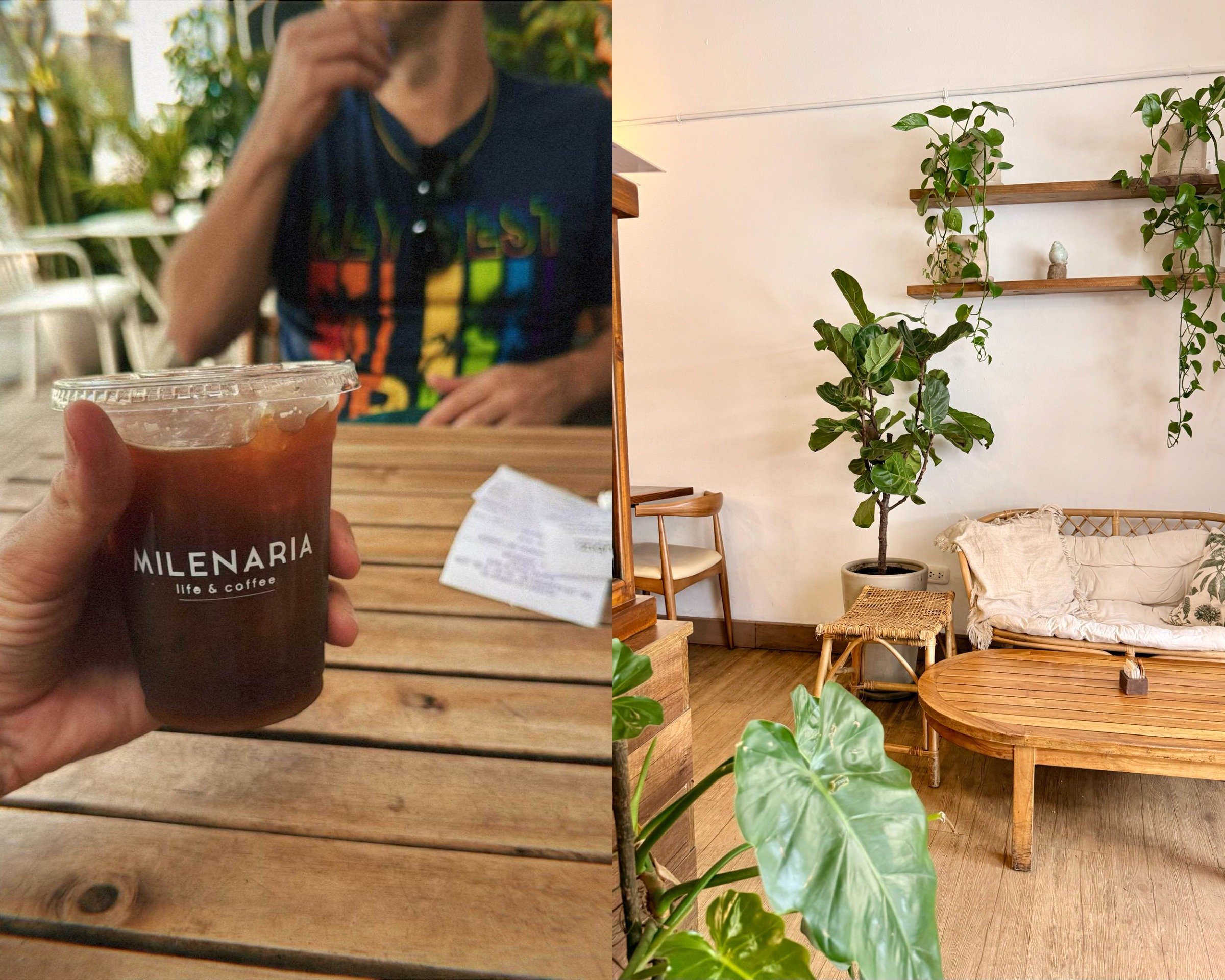
Milenaria Cafe
For another coffee hotspot with high quality brews, check out Milenaria Cafe in Miraflores—super cozy atmosphere, and a superb breakfast. Things here taste homemade. The location is right in the heart of Miraflores.
Canta Rana - a beloved Barranco institution that’s been here longer than I’ve been around, serving premium ceviche and fish dishes. You’ll see far more locals than tourists, which tells you everything you need to know.
Restaurant Javier - a spread of small Peruvian plates, anticuchos with chicha morada, arroz con pollo, aji de gallina, at an outdoor patio table overlooking the ocean. You can’t go wrong.
Heladería Speciale - lucuma and guanábana ice cream, tropical fruits with quintessential Peruvian flavor. Lucuma and chocolate together is a combination that will live rentfree in my mind forever. I’m still thinking about it.
Panchita Miraflores - Peruvian home-cooked classics turned into something masterful, served in a lively, decorative space with live performances woven through the night. I ordered the seco, a prime cut of beef stewed in a cilantro-infused slurry that you’ll wonder how you’ve never known to exist until now. It blew my mind.
On our SideQuests itinerary, we kick the whole trip off in Lima with a welcome dinner at Huaca Pucllana, a world-class restaurant set right beside a 1,500-year-old illuminated pre-Inca pyramid rising out of the middle of the city. The group comes together for the first time over exceptional food under the glow of an ancient pyramid... We’ve never found a better way to begin a trip.
Let Lima be big and foggy and complicated and extraordinary… this city will surprise you.
Lima’s LGBTQ+ Nightlife:
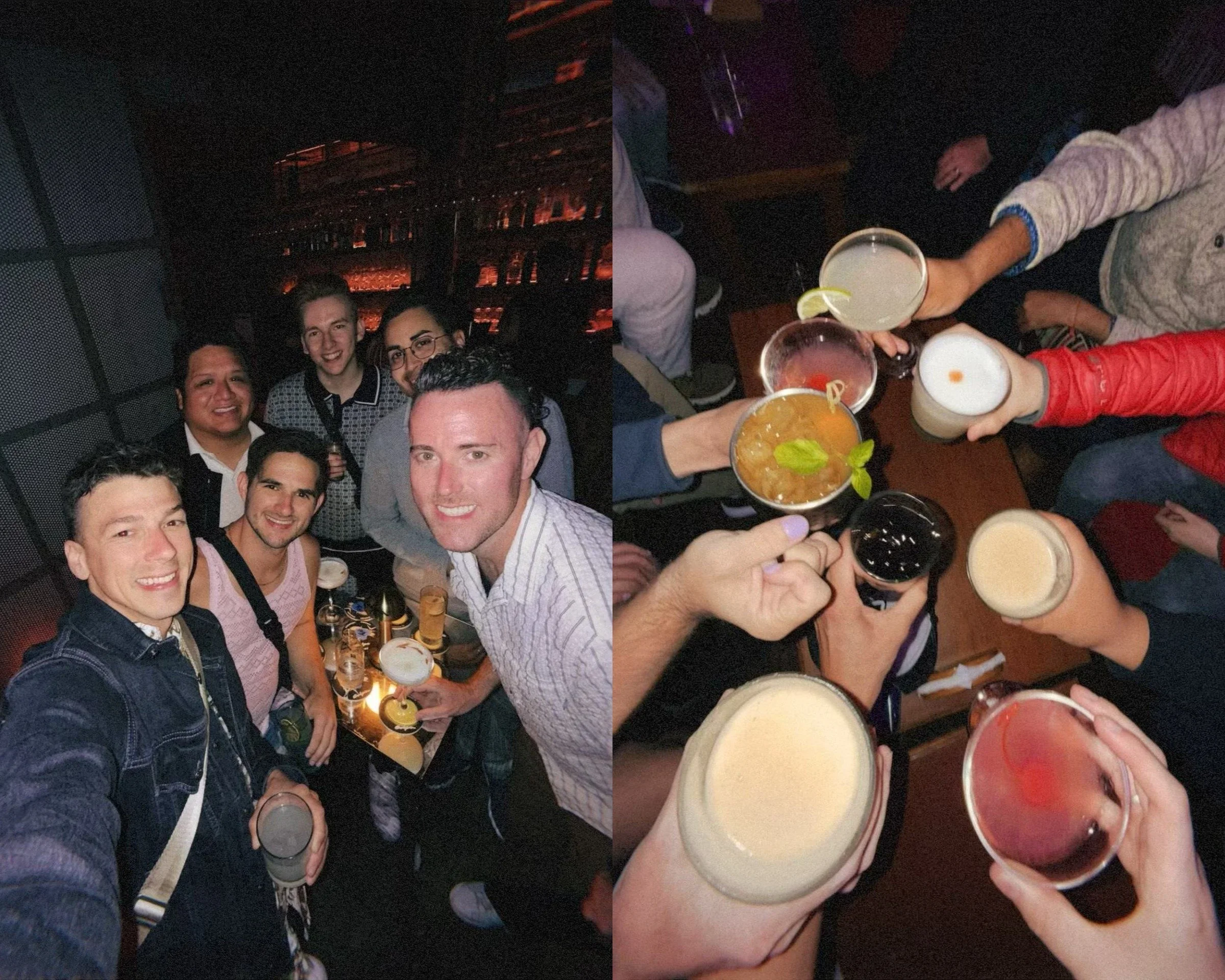
Lima is also where Peru’s gay scene really lives. The bars and clubs of Miraflores and Barranco are the country’s most established, far more so than anywhere in the Andes, so if you want a big night out, this is the city for it. And don’t skip the historic city center: it’s a must, but go with a guide. It’s a long way from the coastal tourist hub, there’s a lot of ground to cover, and a local guide transforms the whole experience while helping you navigate the crowds safely and free from possible petty-theft.
Gay Cusco: Where the Inca Empire Comes Back to Life
After a few days on the coast we flew up to Cusco, and I always want to stay longer in Lima… but Cusco has a way of making you forget everything that came before it. The city sits at 11,152 feet above sea level, and it makes sure you know it the moment you step off the plane. That first breath of fresh mountain air is its own kind of arrival. Then you look up: cobblestone streets, Inca stonework tucked beneath Spanish colonial walls, woodsmoke and fresh bread drifting from doorways, mountains rising in every direction.
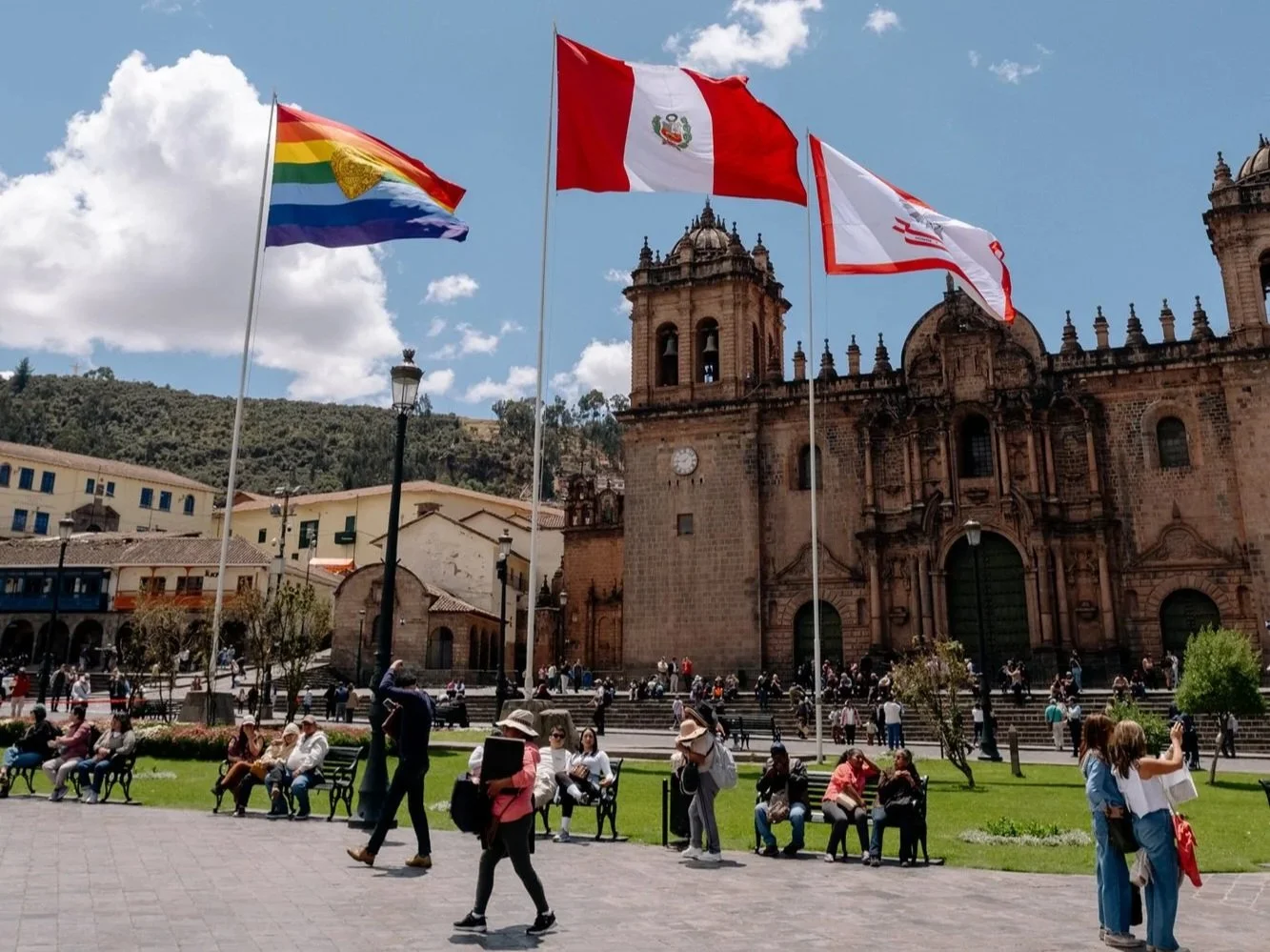
Three flags fly over Plaza de Armas - including the rainbow wiphala, which Cusco has long claimed as its own symbol of Inca heritage. It's a detail that makes this square feel a little different from anywhere else in Peru.
The first day in Cusco is intentionally unhurried, and that’s for good reason! (more on altitude in the Essentials section below). Once you’ve acclimated, Cusco reveals itself as one of the most extraordinary cities I’ve ever spent time in… with history layered so densely it’s almost disorienting, but also intoxicating. You’ll be transfixed as you experience a different kind of world you never knew existed.
Is Cusco Gay Friendly?
Mildly yes, Cusco is gay friendly, especially in the Historic Center around the Plaza de Armas and the artsy San Blas neighborhood, where you’ll find queer-friendly bars and mixed international crowds. Just look at Cusco’s flag, it is literally a rainbow. Almost identical to the pride-flag, with a couple color additions. Is Cusco, Peru gay friendly in the same way Lima is? Not quite… it’s a smaller, more traditional city, so acceptance is most visible in tourist-facing spaces. Cusco doesn’t have a lot of gay cultural presence, but the city is very much about its own culture, history, and holds a relaxed, welcoming atmosphere rather than a big party scene. Honestly, that suits this part of the trip perfectly.
What to Do in Cusco
A hands-on Peruvian cooking class in San Blas, Cusco’s most artistic neighborhood, where local chefs walk you through traditional Andean dishes and then you sit down and eat everything you made together.
A guided city tour taking in Koricancha (once the most gold-laden temple in the entire Inca Empire), the sweeping Plaza de Armas, the baroque Cathedral Basilica, and the massive interlocking walls of Sacsayhuamán.
An evening just wandering. The Plaza de Armas lit up at night, full of travelers from every corner of the world, is one of the great travel scenes. Find a rooftop bar and soak it in.
Cusco Gay Bars & Nightlife
Let’s be honest about cusco gay nightlife: it’s small, and that’s part of the charm. This is a cultural-heritage city of cobblestone lanes and Incan walls, not a party mecca, but there’s a welcoming international after-dark scene within easy walking distance of the Plaza de Armas. A few spots worth noting if you’re looking for a cusco gay bar or gay-friendly night out:
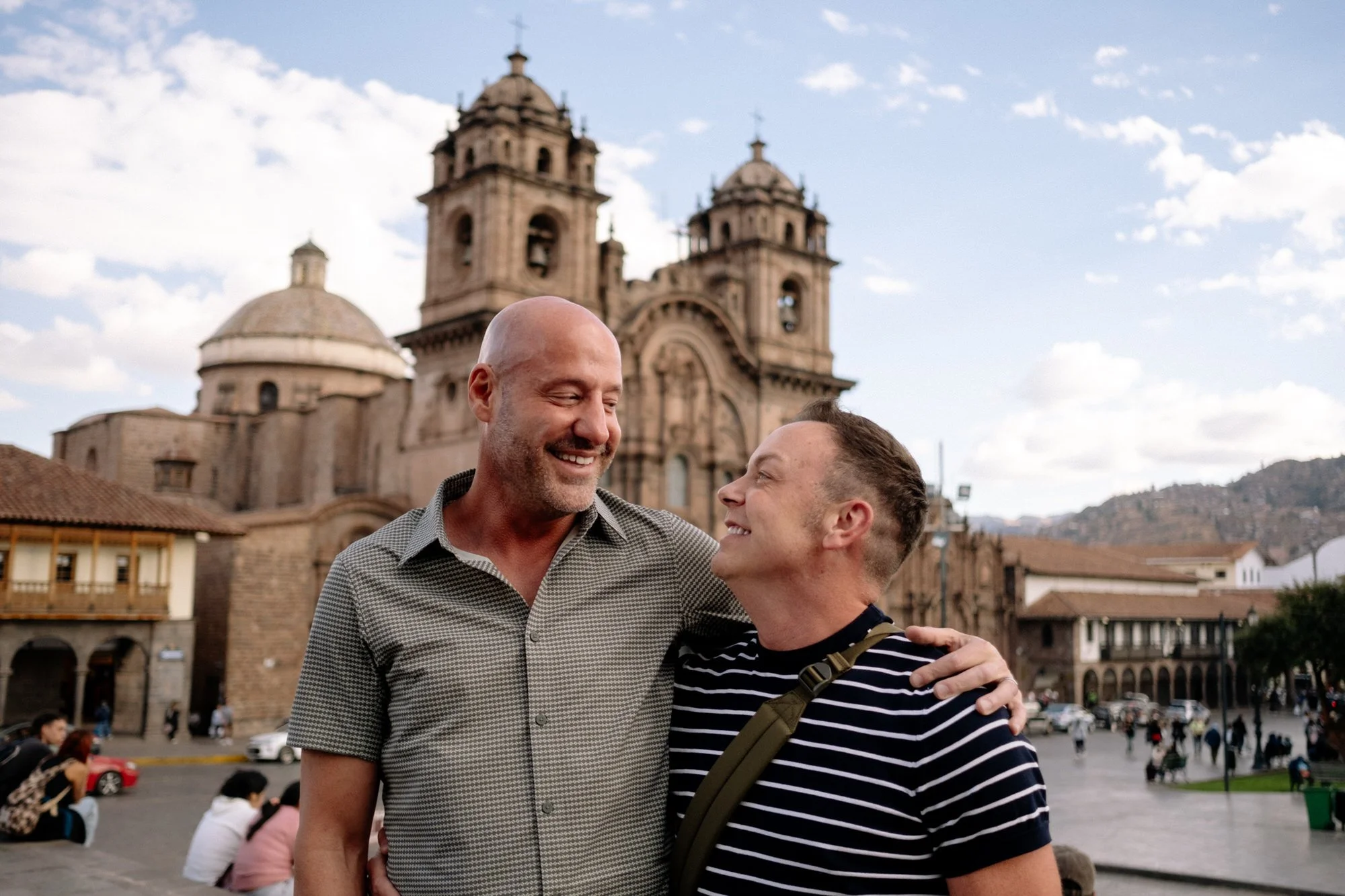
Plaza de Armas is the beating heart of Cusco, and absolutely one of the best spots to just stop, soak it in, and remember you're actually here.
Fallen Angel – an iconic gay-friendly restaurant and bar famous for its surreal and unbelievable décor (like tables made from Victorian bathtubs) and some of the most flamboyant parties in the city. This place is a Cusco institution.
Limbus Resto Bar – a rooftop spot in San Blas with knockout panoramic views over the whole city, inventive pisco sours, and an easygoing mixed crowd. Go at golden hour as the lights come on and the views get glowy.
The bars around the Plaza de Armas – most of the central clubs, like longtime favorite Mama Africa, are inclusive and used to a diverse international crowd, so a night out here feels relaxed and lowkey rather than scene-y.
One altitude note worth its weight in gold: alcohol hits much harder at 11,000 feet because there’s less oxygen in your bloodstream. Pace yourself, especially your first night. Save the full-throttle night out for Lima… Cusco is for slow drinks, great views, and amazing conversation.
Where to Stay in Cusco
Our groups stay at the Casa Andina Premium Cusco, a beautiful 5-star property in a restored colonial building right in the heart of the city. On a previous trip I also stayed at the historic Palacio del Inka, a Luxury Collection hotel beside the Qorikancha temple. If you’re extending your stay or traveling independently, it’s a spectacular Cusco splurge worth reading about.
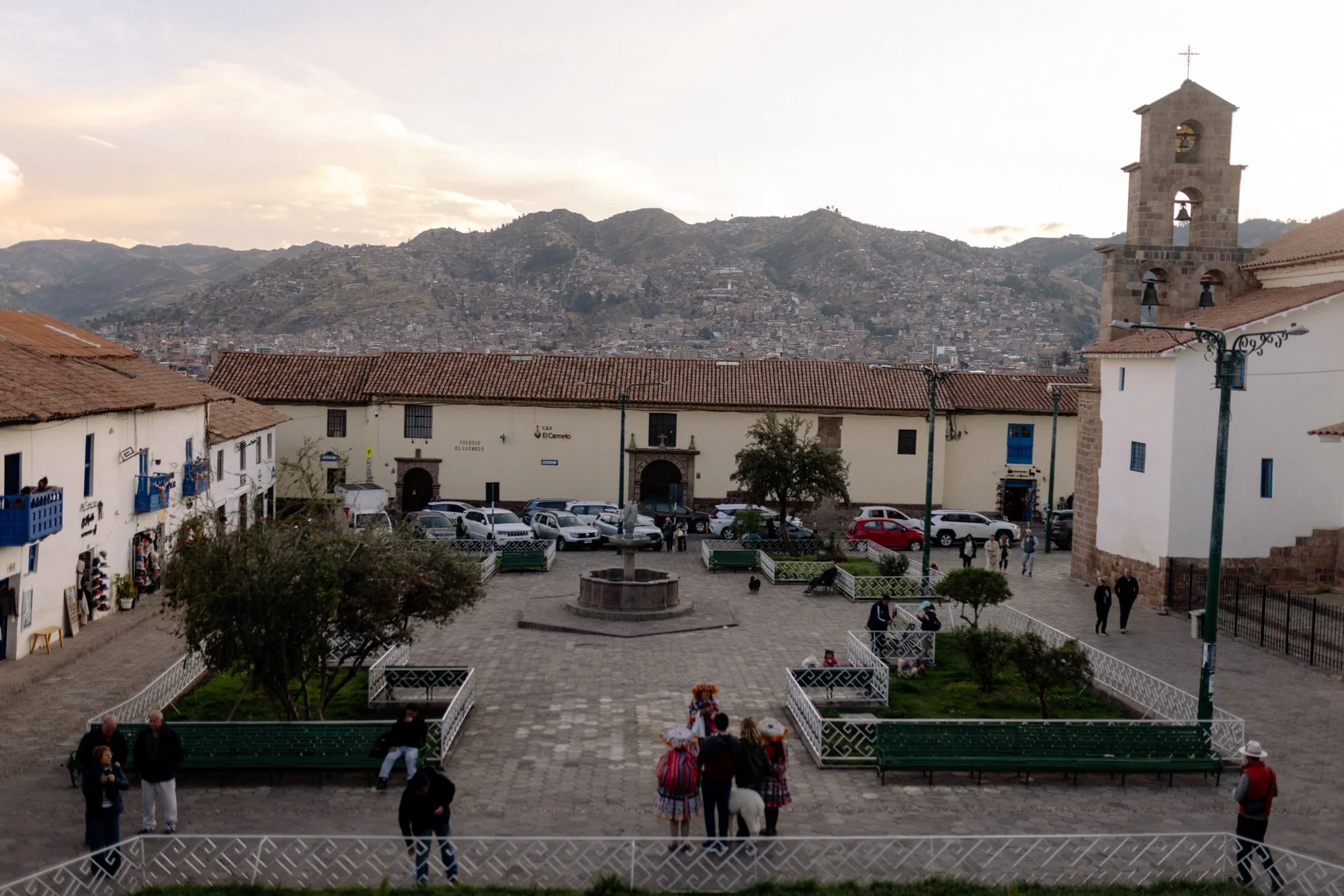
Plaza San Blas is one of Cusco's most charming corners. Arrive around sunset and you'll likely find locals in traditional dress with a llama, which is as delightful as it sounds. There’s also great bites around this area, including a small restaurant that does wood-fired pizza!
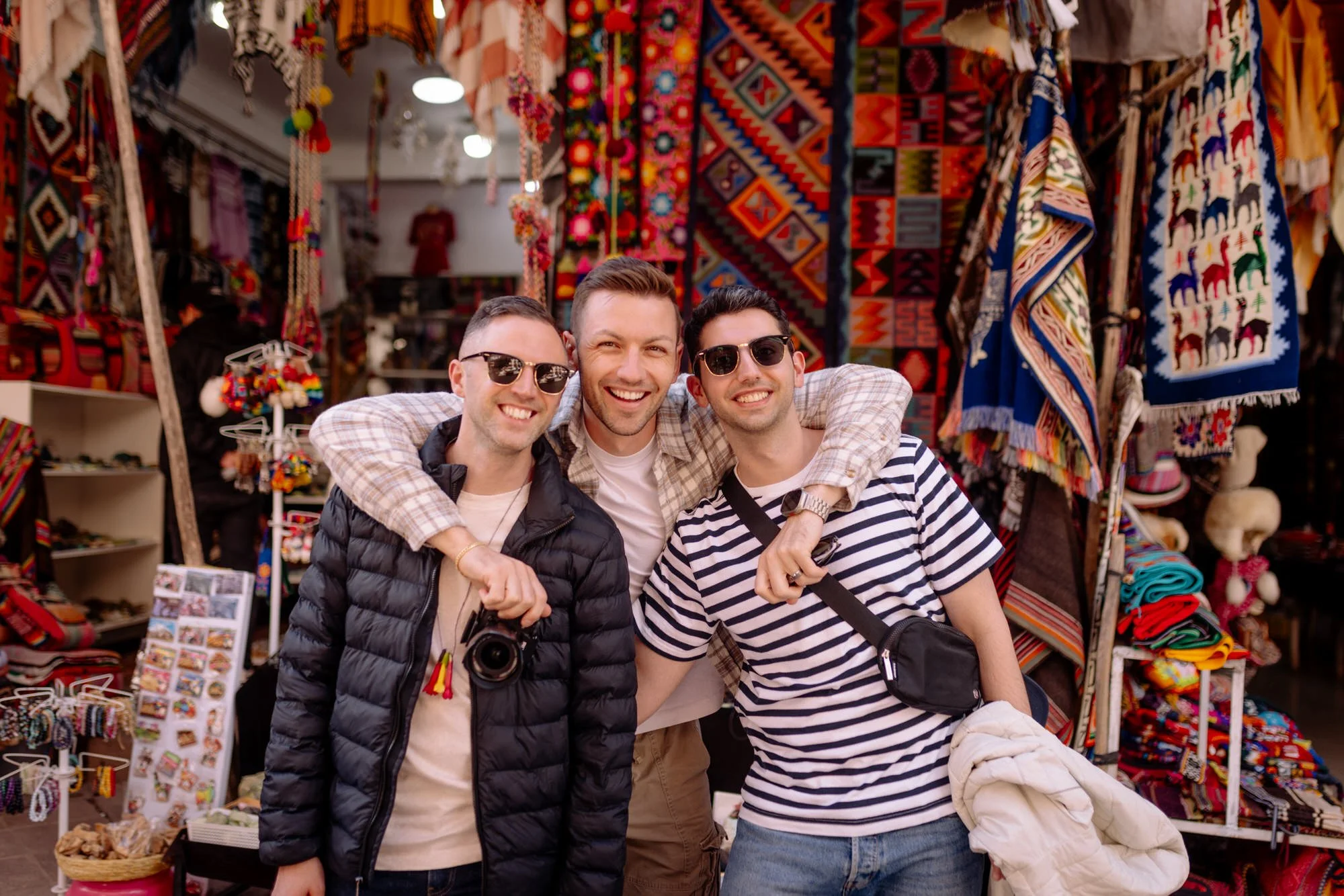
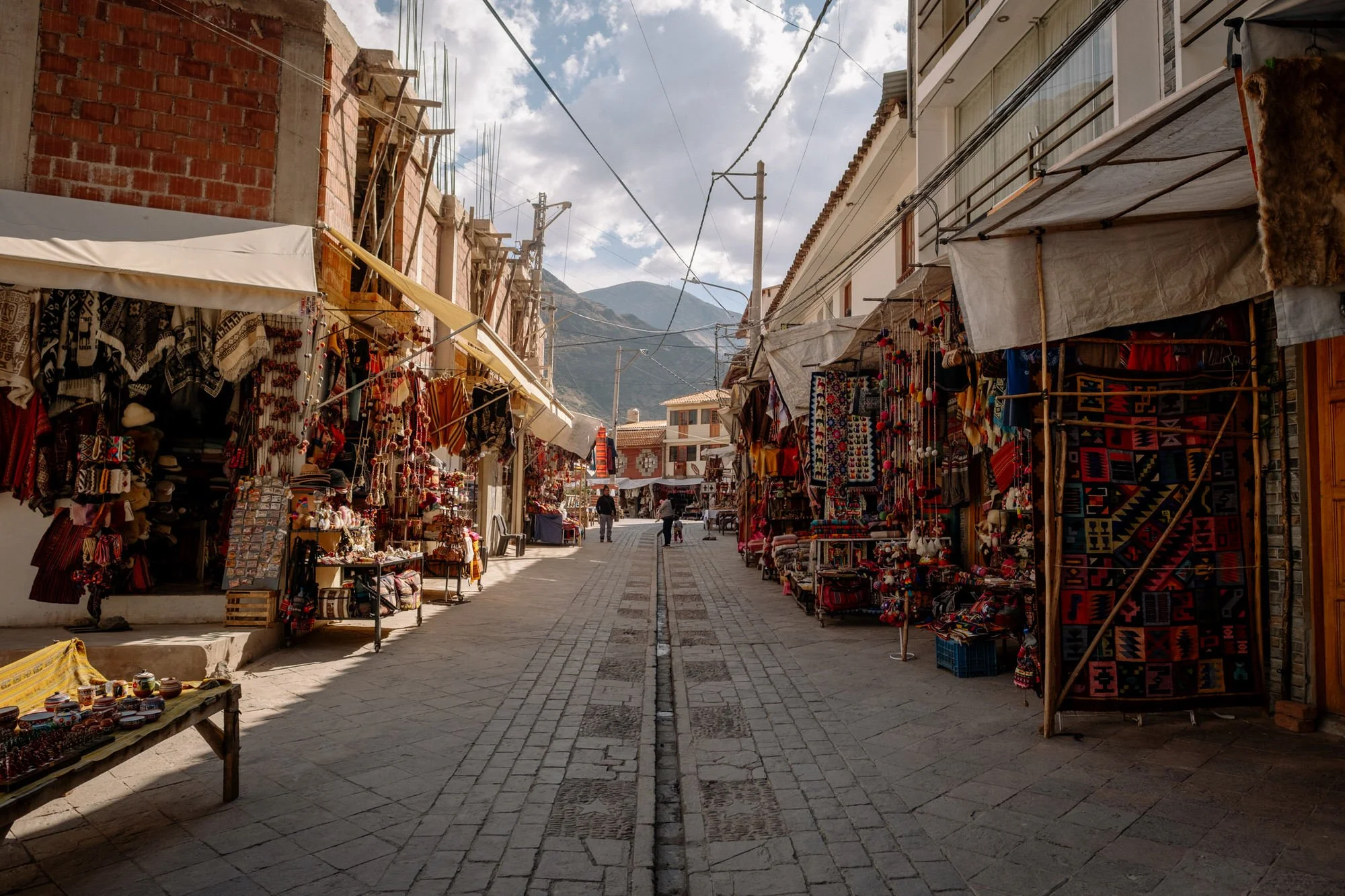
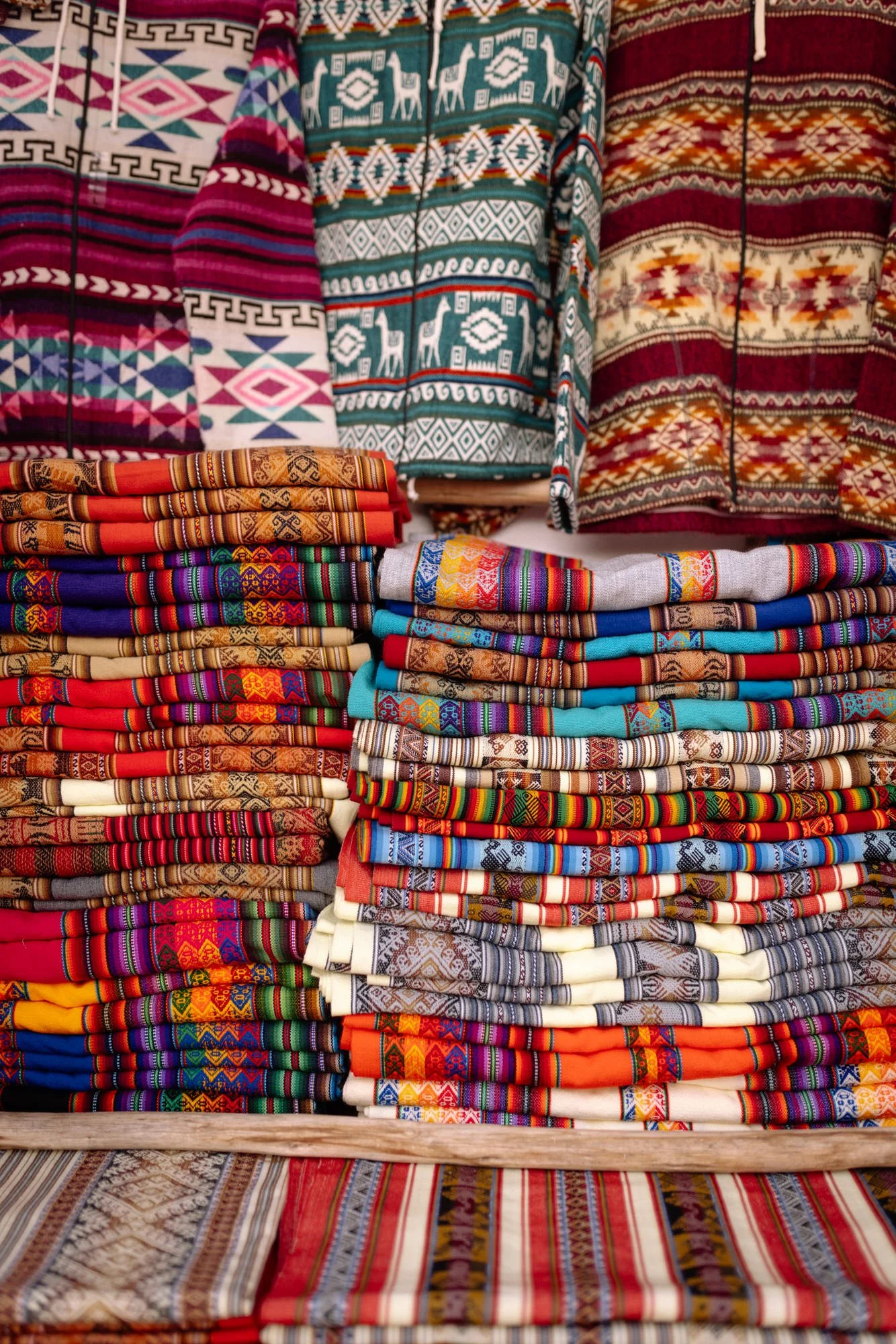
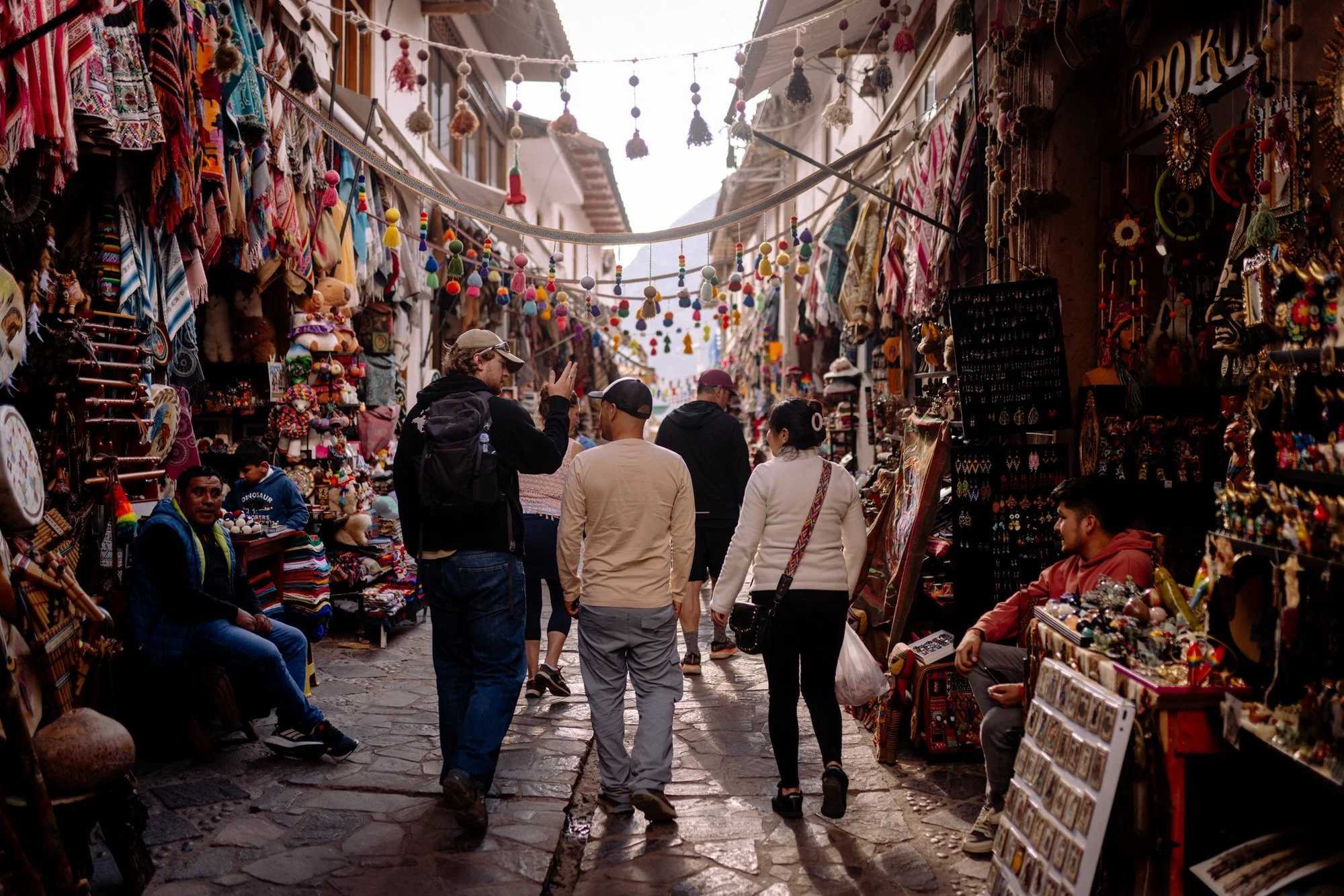
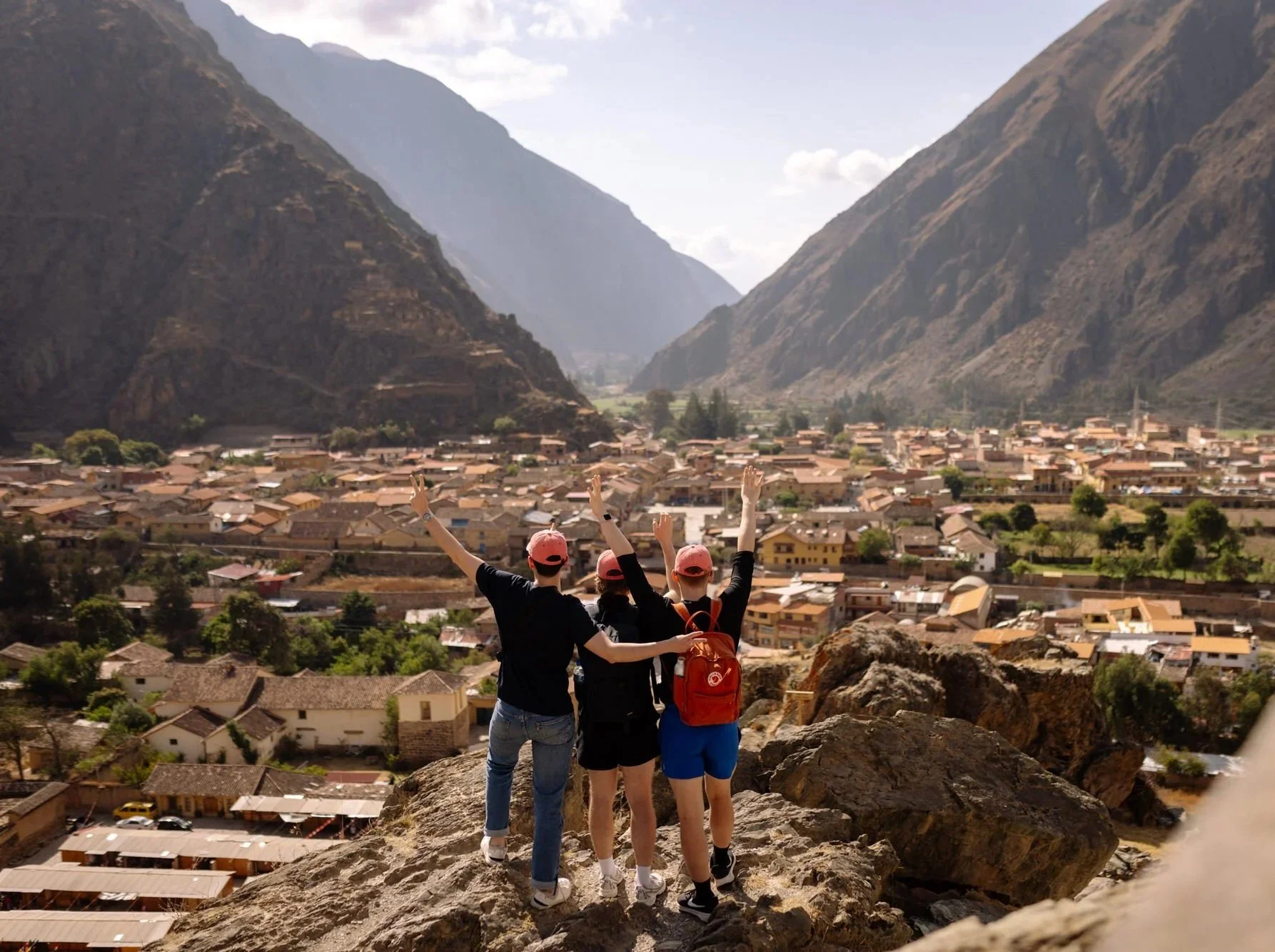
The artisan markets in Pisac (Pisaq), Peru are a proper sensory overload—woven tapestries, alpaca everything, and vendors who don’t mind taking a moment to chat. Budget more time than you think you'll need.
The Sacred Valley: Peru's Biggest Surprise
I’ll be honest, the Sacred Valley wasn’t something I expected to become a trip highlight. Lima has its food glory, Cusco has its reputation, and Machu Picchu has its world fame… but this wide, impossibly green corridor carved by the Urubamba River and flanked by terraced mountainsides turns out to be one of the most culturally rich and visually astonishing regions in the entire country. Almost everyone in our group called it their biggest surprise.
What to Do in the Sacred Valley
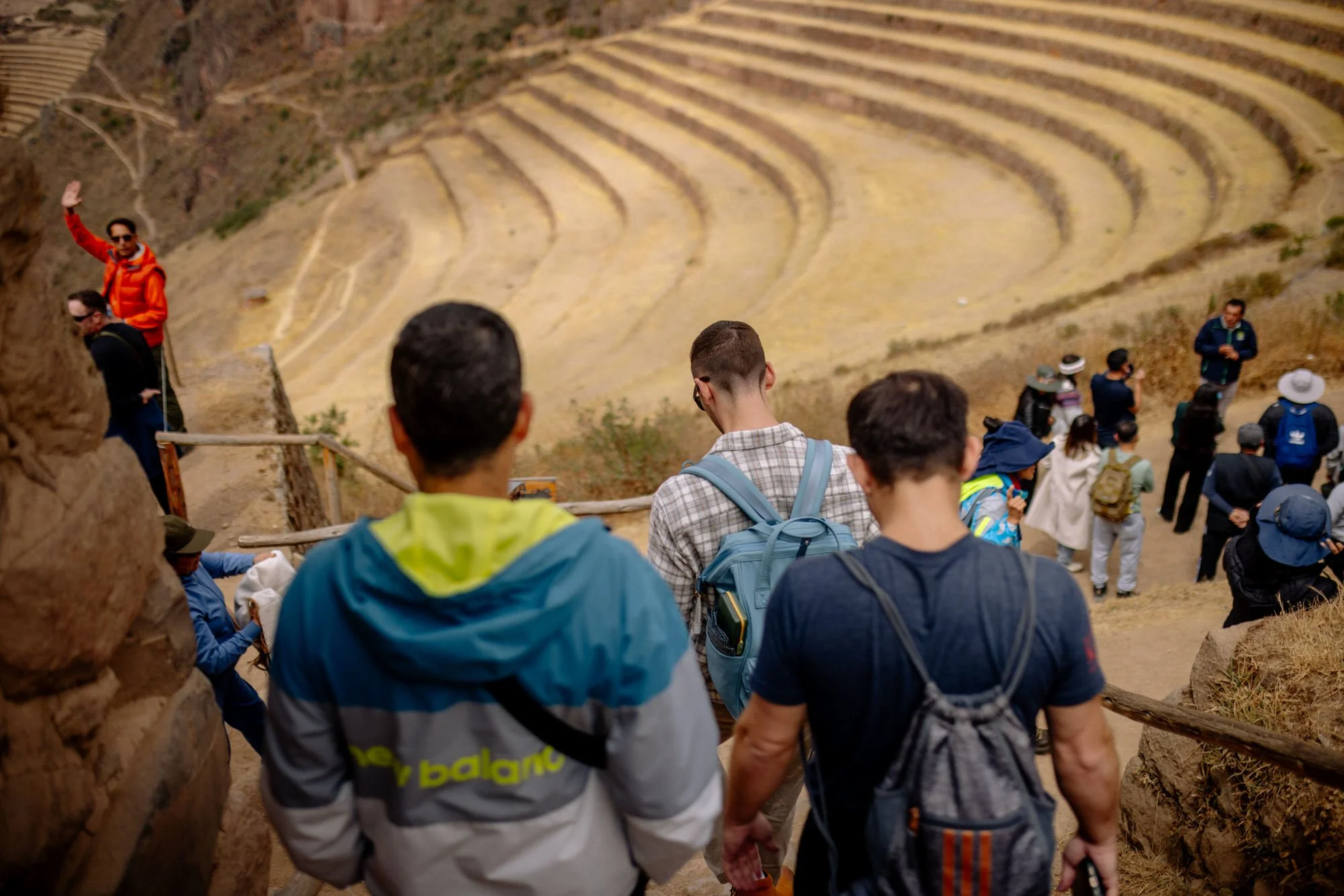
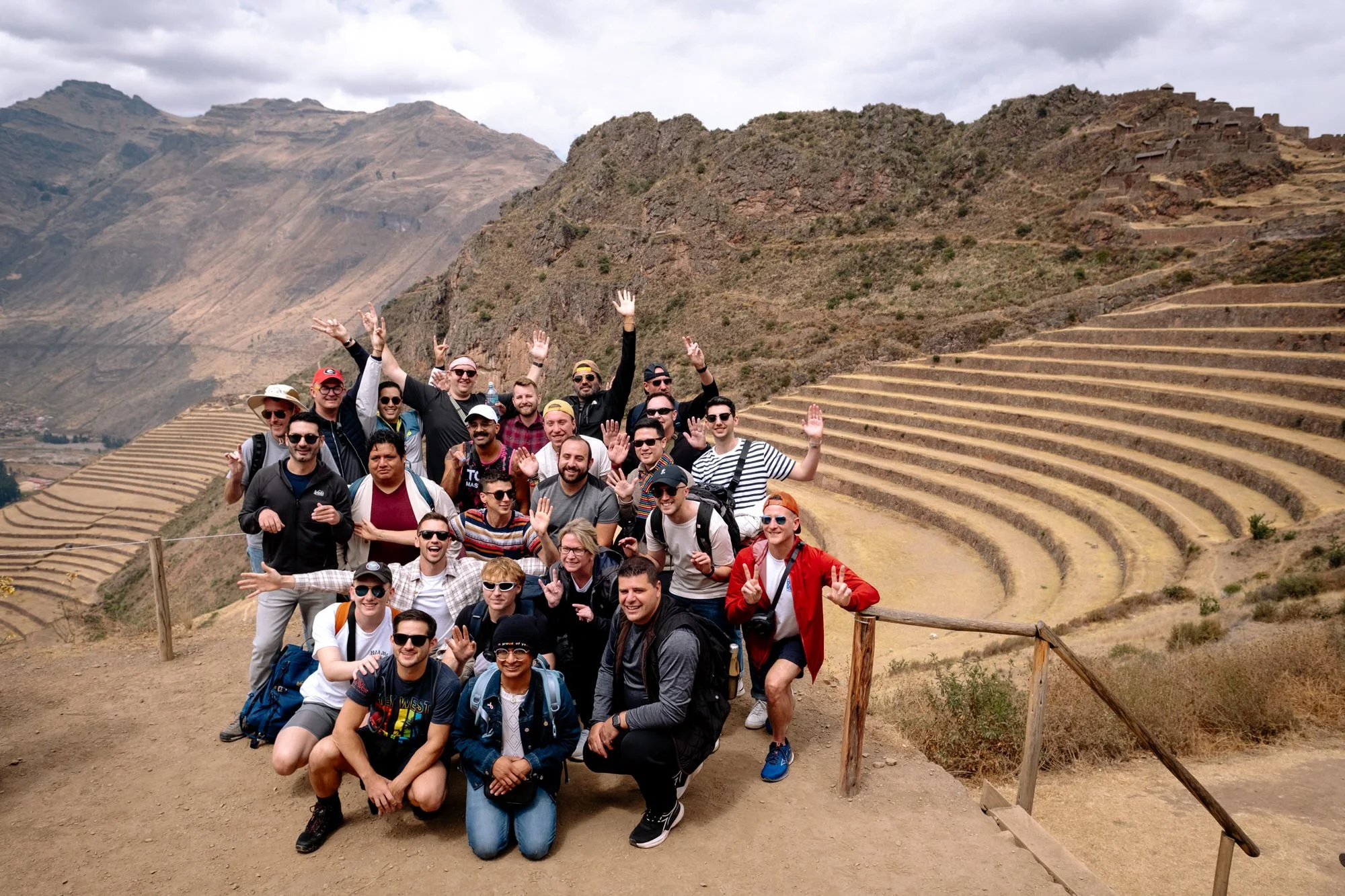
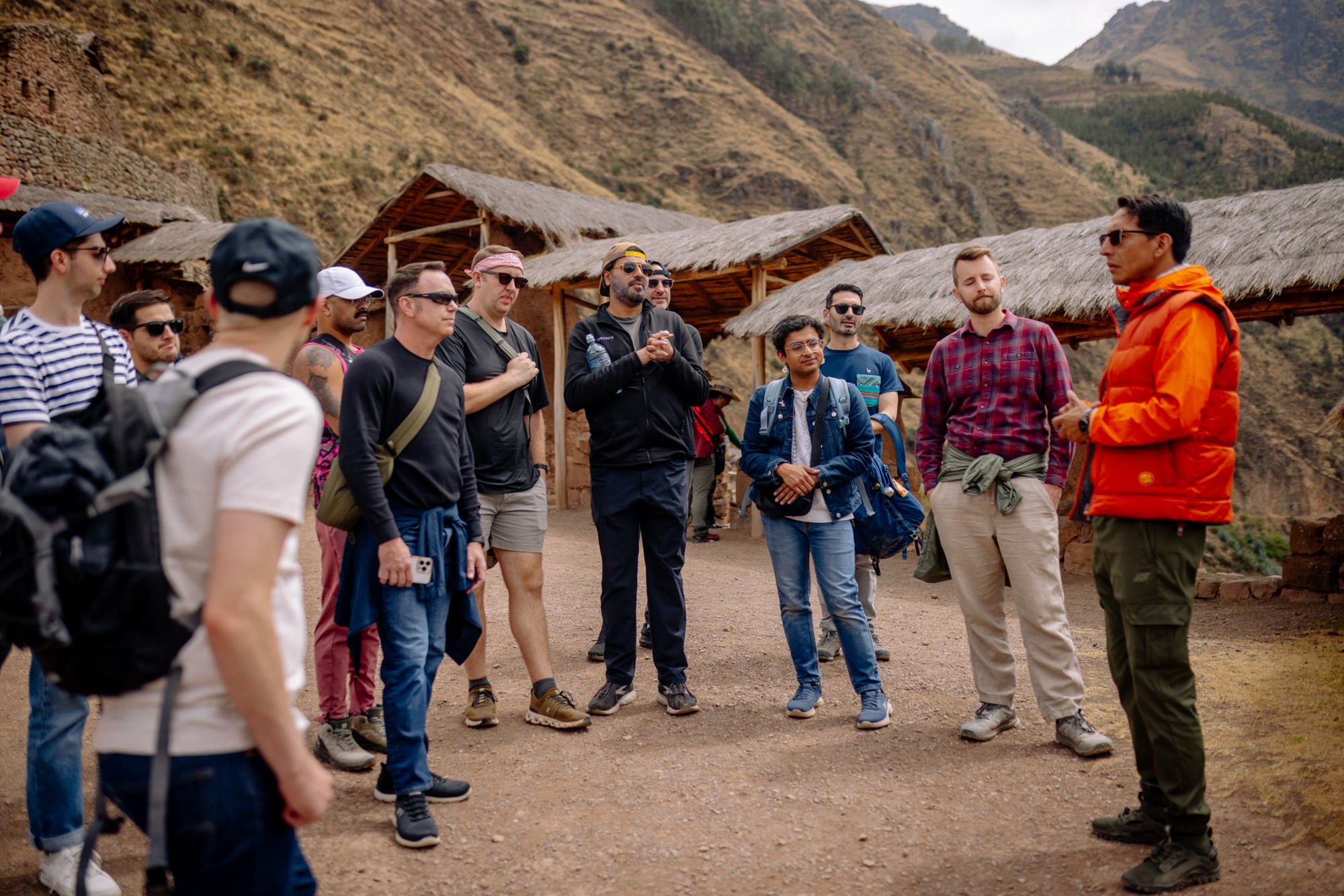
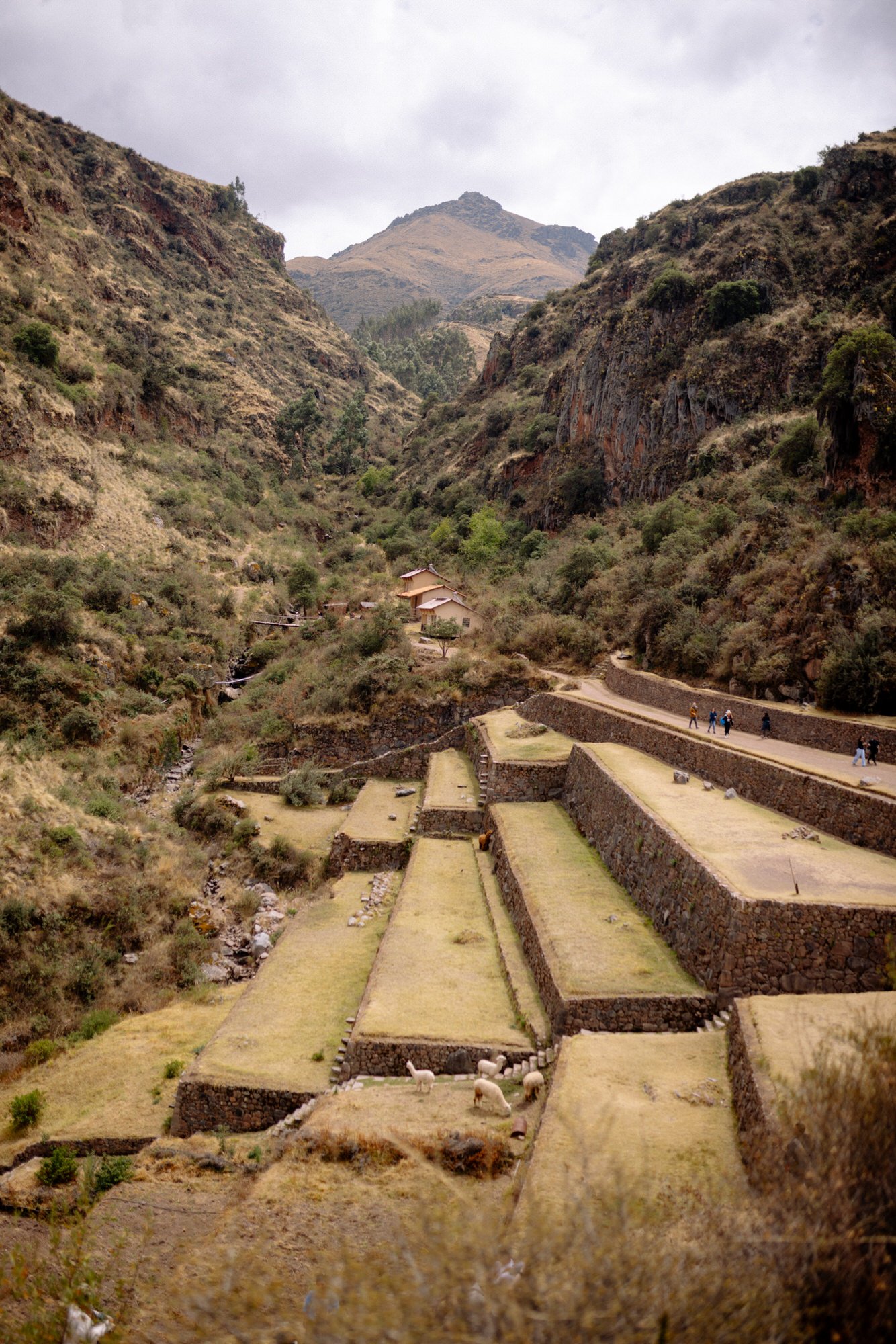
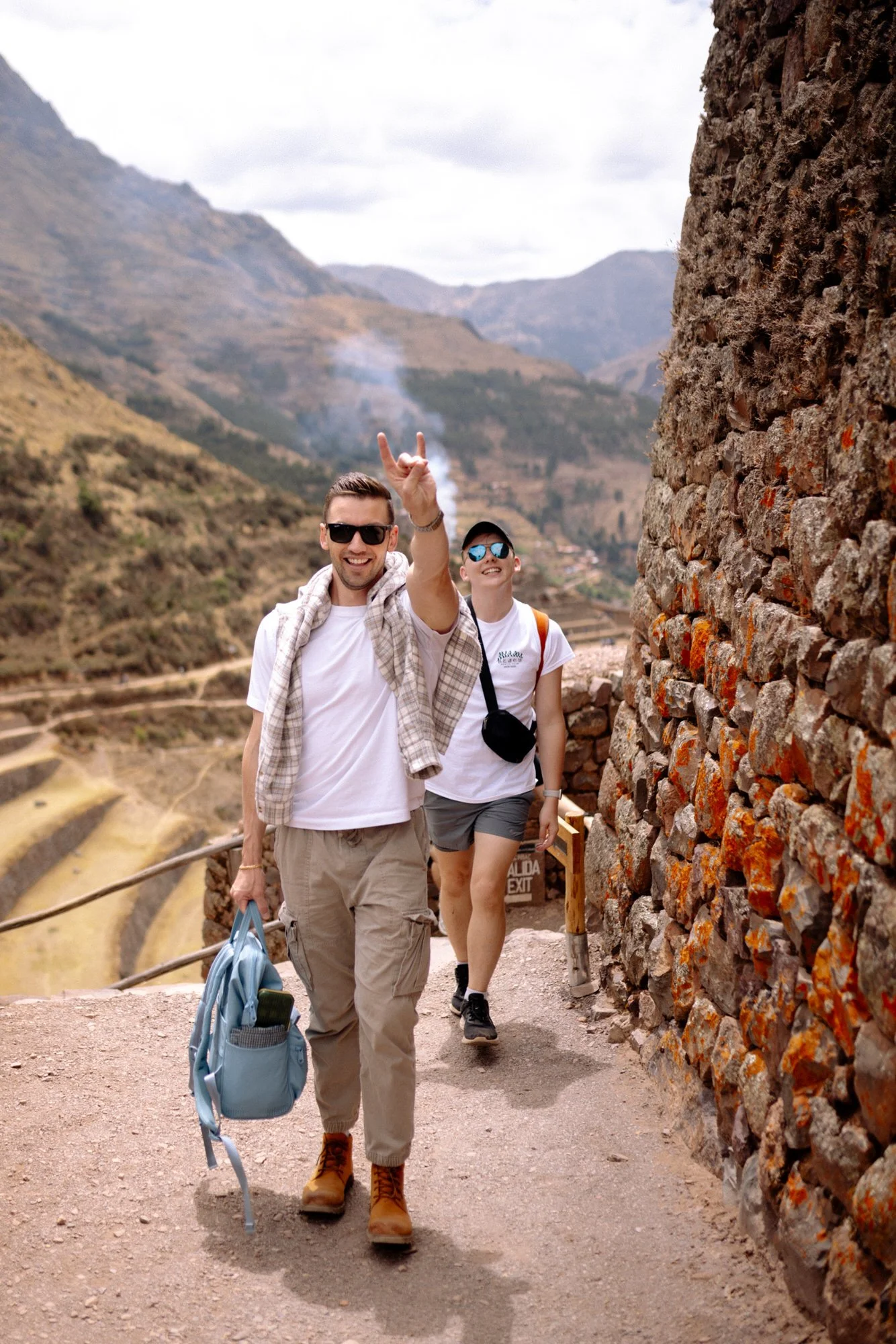
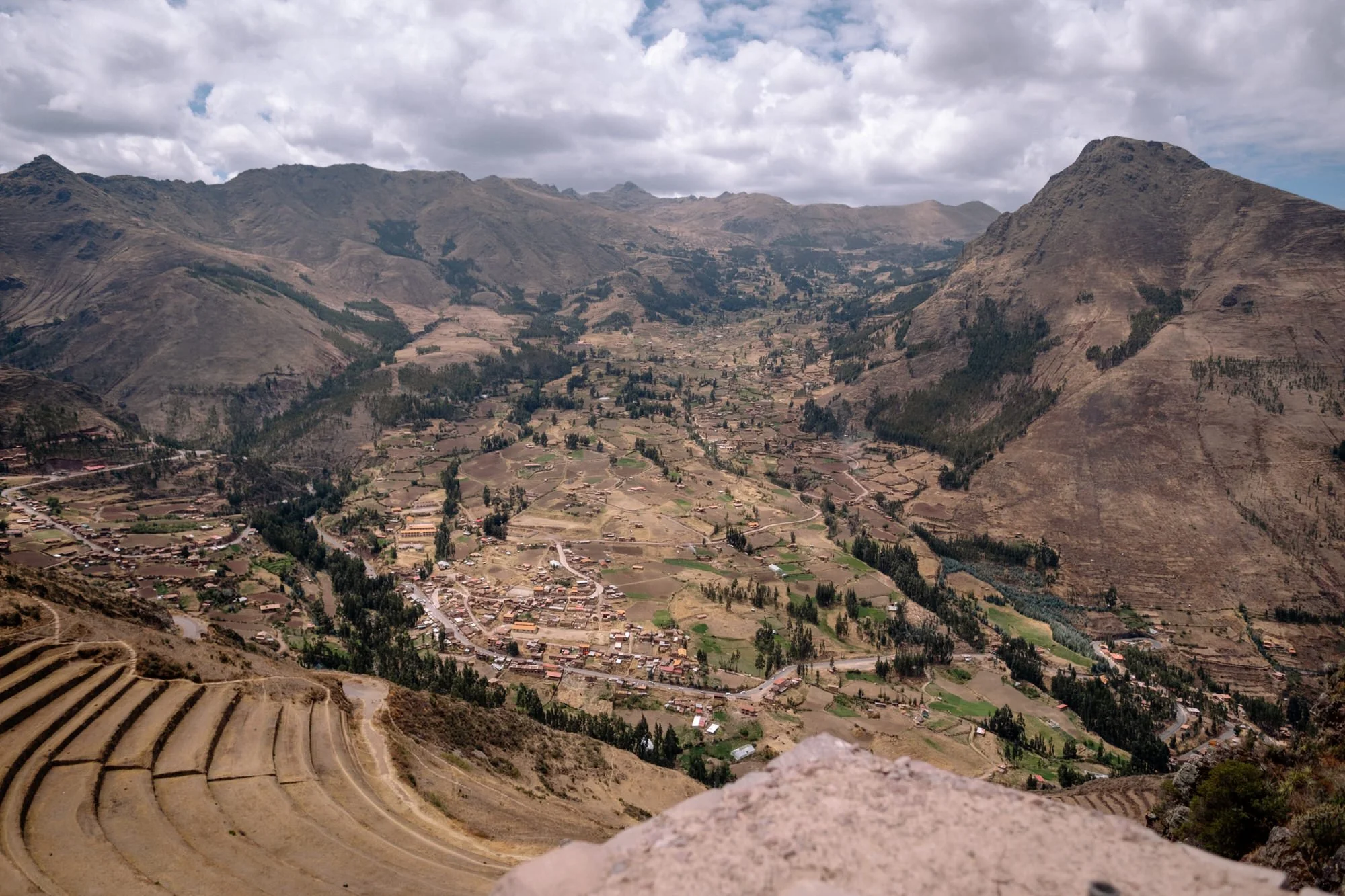
The Pisac Archaeological Site – perched dramatically above the valley floor, showing how the Inca farmed near-vertical mountainsides with precision that still baffles engineers.
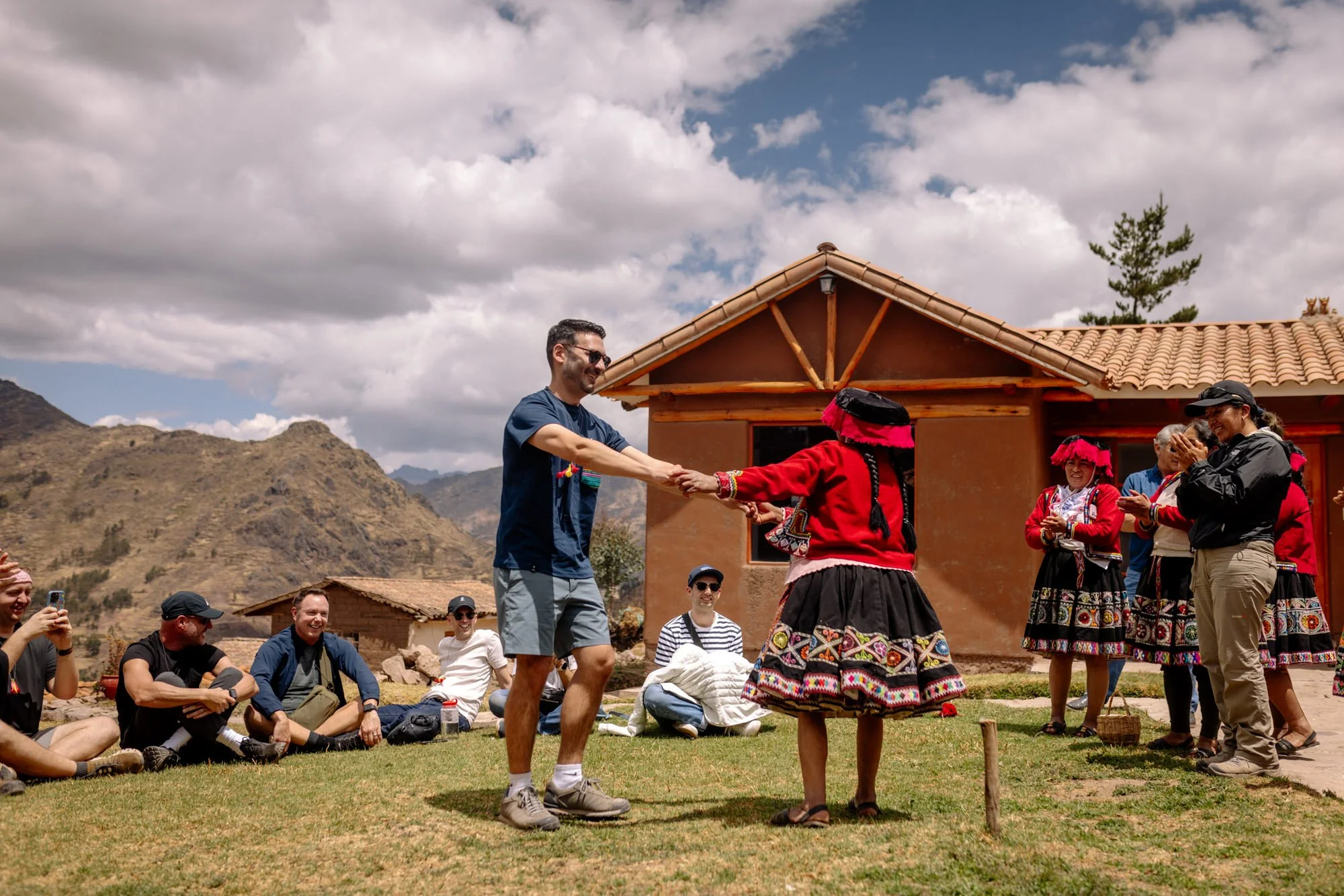
The Pisac Market below it – one of the most vibrant and authentic in Peru, where Quechua artisans sell handwoven textiles and goods you won’t find anywhere else. So make sure to budget some luggage space for souvenirs!
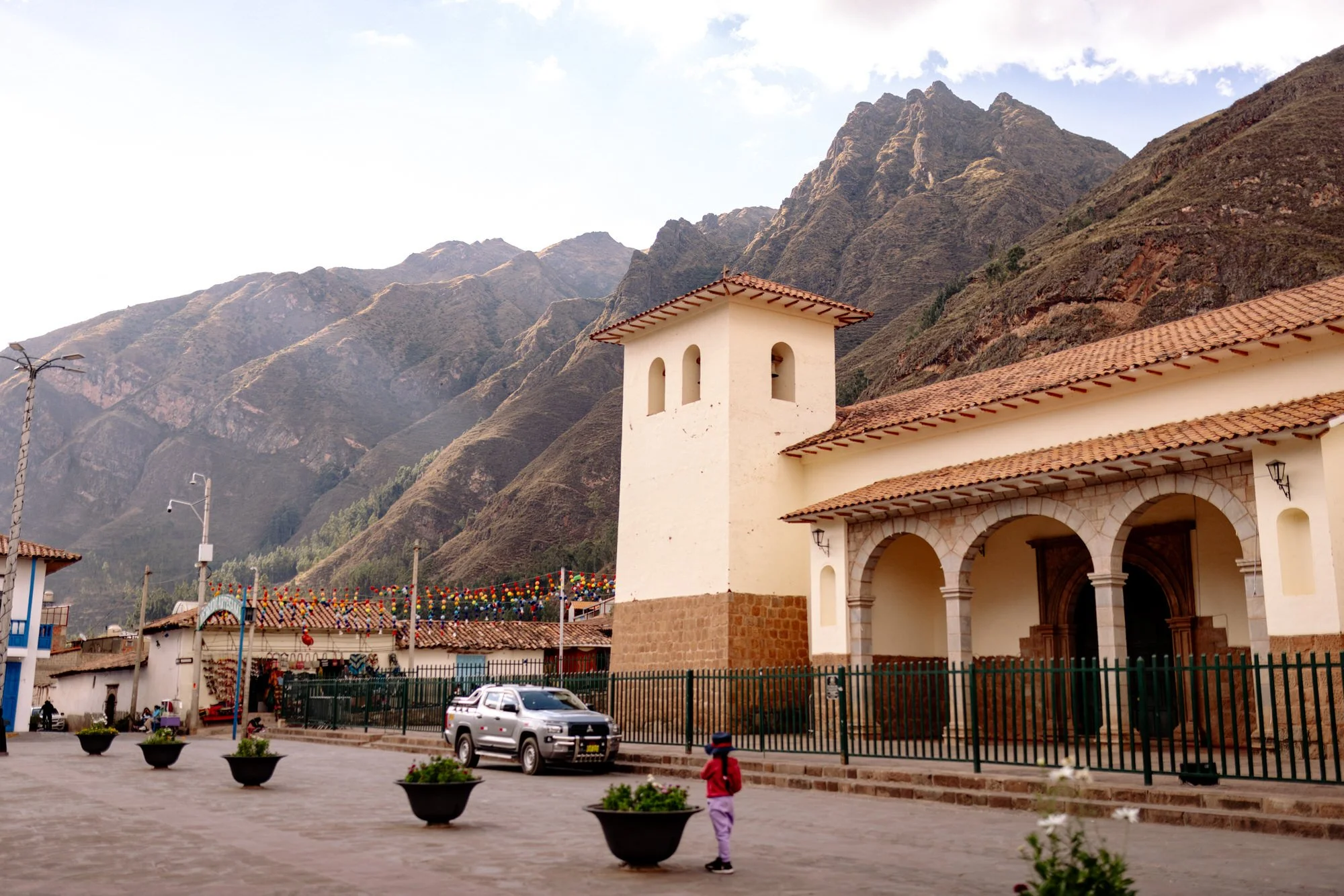
Ollantaytambo – a living Inca town where the original street grid has been continuously inhabited for over 500 years. The town is crowned by its fortress where the Inca people actually defeated the Spanish military in battle.
Moray’s concentric agricultural terraces and the otherworldly Maras Salt Ponds – roughly 4,500 individual salt pans lining the mountainside, each belonging to a different family and passed down for generations.
Where to Stay in the Sacred Valley
We overnight in Urubamba at the Casa Andina Premium Sacred Valley, perfectly positioned for the next morning’s journey to Machu Picchu. The valley’s lower altitude also gives your body a welcome breather. For a luxury alternative, the Tambo del Inka resort and spa in Urubamba is one of the most relaxing stays in the entire region.
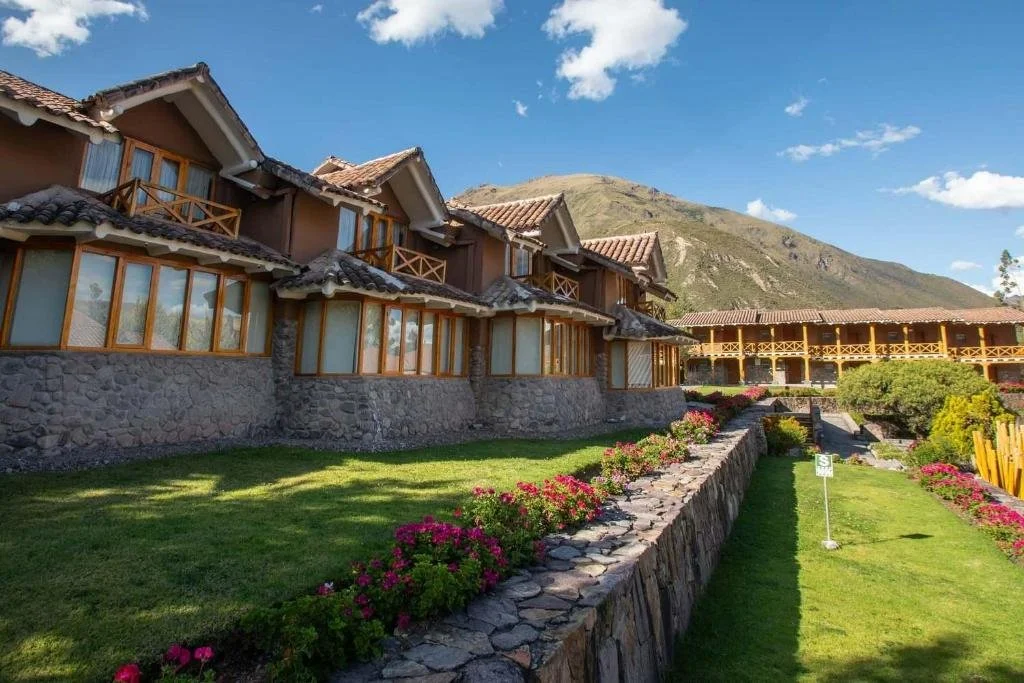
Casa Andina Premium in the Sacred Valley, a gorgeous stay in the middle of the valley. This is the perfect spot to start your journey to Machu Picchu following a great night’s rest.
Machu Picchu on an LGBTQ+ Group Trip: There’s a Reason People Cry When They Get There
I’ve stood at Machu Picchu more than once and watched travelers’ faces the moment the citadel reveals itself. No photos or documentaries or articles (including this one) can fully prepare you for it. The scale, the wonder, and the way it simply sits there in the middle of cloud forest with mountains surrounding as if it always has and always will. For an LGBTQ+ group experiencing it together, it’s the kind of shared moment that bonds a trip for life. Arriving feels like the conclusion to a grand adventure: the end of an Indiana Jones film, the homecoming of a hero, but most of all like the full realization of how beautiful and vast and surprising and epic the world is.
Getting there is part of the magic. From Ollantaytambo we board the Vistadome Observatory Train with panoramic floor-to-ceiling windows, an open-air observatory car, and live Andean music as we descend. The train winds through the Sacred Valley, 1000s of feet down in elevation and deep into the Amazonian cloud forest for about an hour and a half to Aguas Calientes, the landscape growing more dramatic with every mile. From there, a shuttle bus climbs the mountain to the entrance, and your private guide leads you through the full sweep of Machu Picchu’s architecture: the Temple of the Sun, the Sacred Plaza, the Temple of the Three Windows, the Guardhouse with its sweeping view over the entire ancient city.
No amount of photos or documentaries can prepare you for the moment Machu Picchu reveals itself. There’s a reason people cry when they get there.
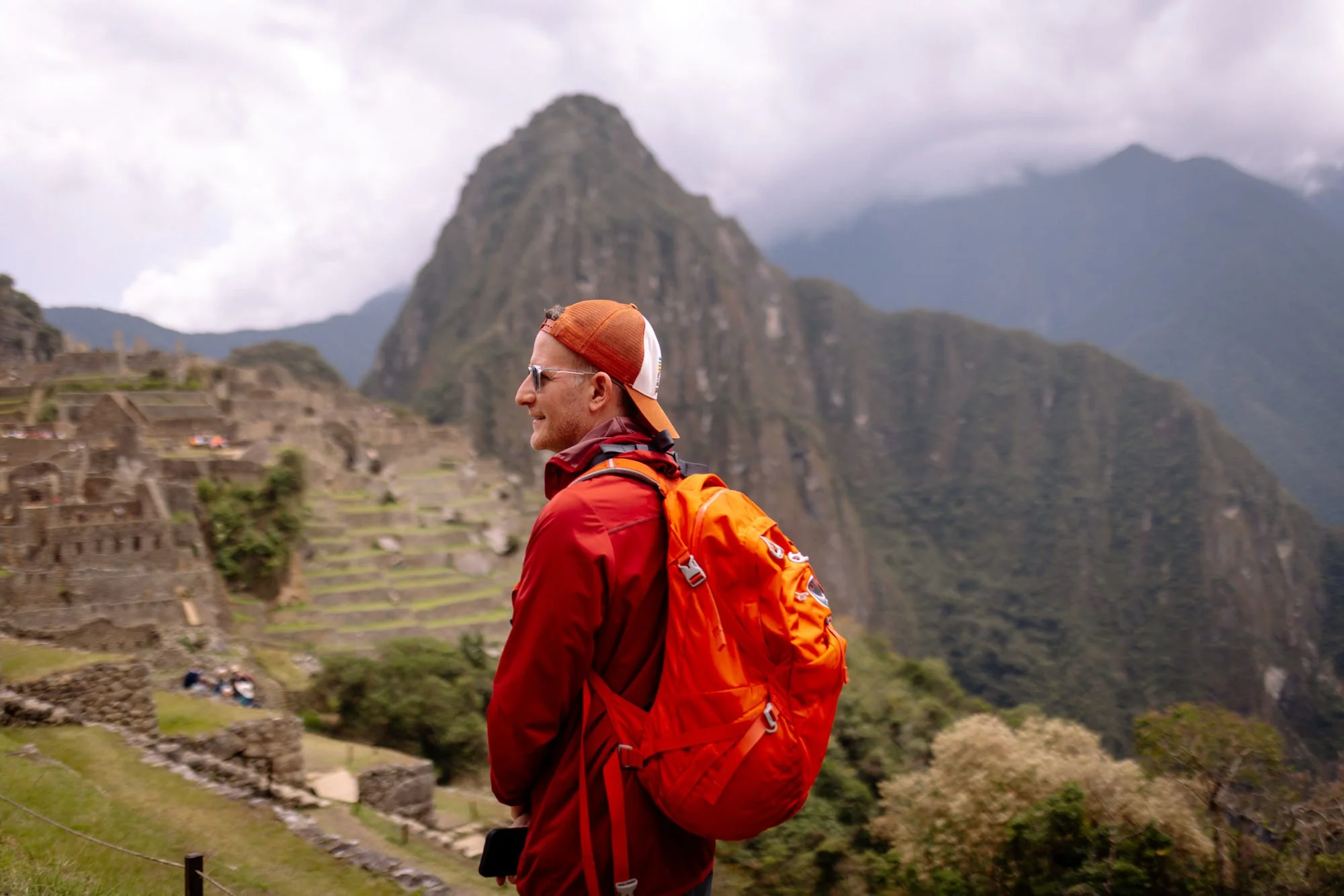
That first full view of Machu Picchu never gets old... the terraces, the mountain, the clouds rolling in. This is the moment the whole trip builds up to.
Is Machu Picchu Hard to Hike?
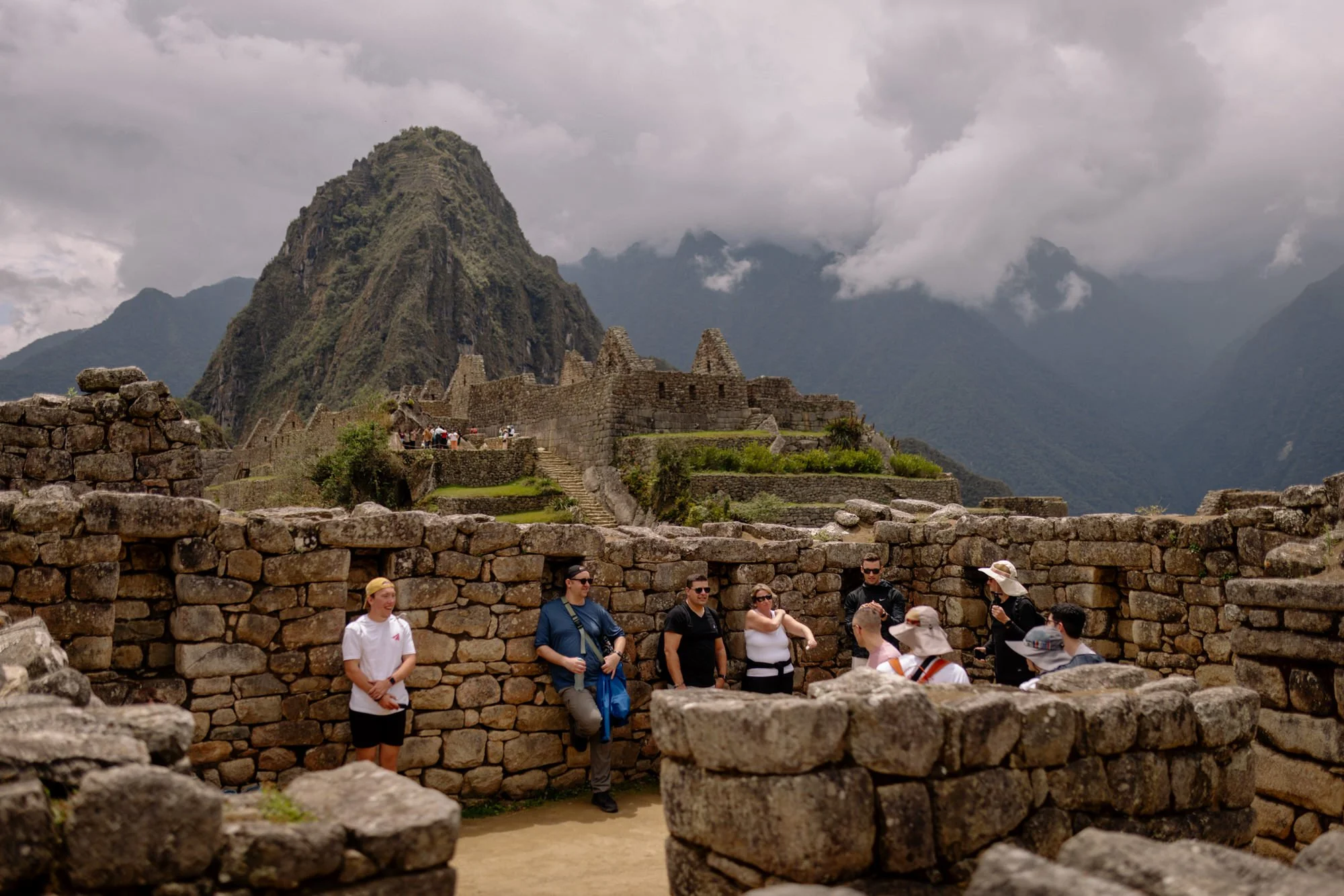
For most visitors, no… visiting Machu Picchu is not a hard hike, and our group trip doesn’t require one. You arrive by train and bus, then walk guided circuits through the citadel on mostly smooth, but in some places uneven Inca stone steps for two to three hours. There are inclines and plenty of stairs, but if you can comfortably walk a couple hours on uneven ground, you’re ready. Helpfully, Machu Picchu (7,972 ft) actually sits lower than Cusco (11,152 ft), so after acclimatizing in Cusco and the Sacred Valley, exactly how our itinerary is sequenced, people generally feel noticeably stronger by the time they reach the citadel. The extra oxygen can make the walk seem like a piece of cake!
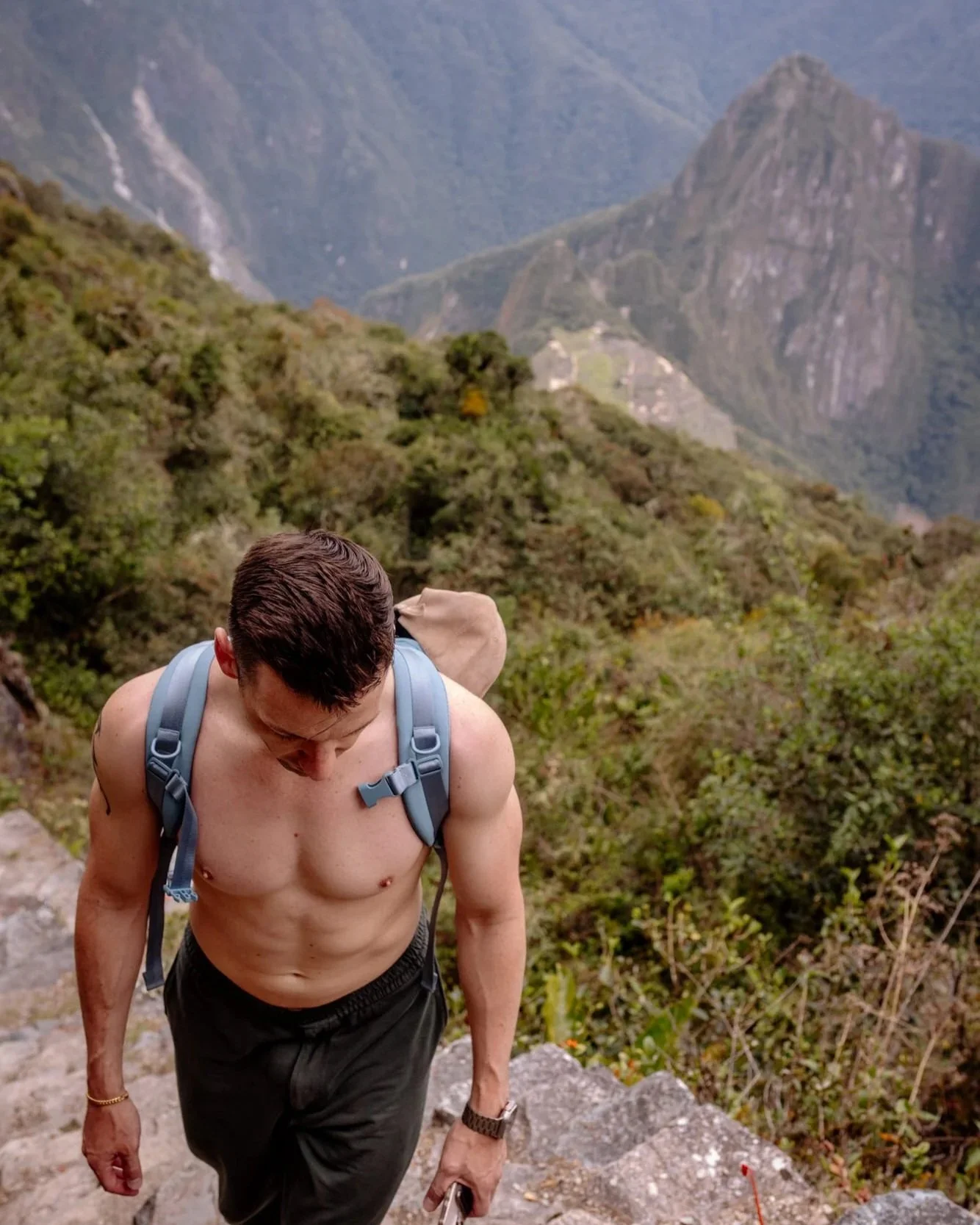
The climb up Machu Picchu Mountain is steep, sweaty, and absolutely worth it... those ruins in the background aren't a postcard, they're right there beneath your feet!
Now, the hiking question has a second answer, and I can give it firsthand. On our last trip, I hiked Machu Picchu Mountain, the towering peak that rises far above the citadel. This is where you may have seen a birdseye view of Machu Picchu. This hike is a different beast entirely: roughly 1,600 steep stone steps climbing to over 10,000 feet. My legs had strong opinions about it for days. But the reward at the top, a true bird’s-eye view of the entire ancient city laid out below you, Huayna Picchu across from it, the Urubamba River wrapping the whole scene in a giant green horseshoe, is one of the most epic viewpoints I’ve experienced anywhere in the world. If you’re a strong hiker, or have moderate to high physical fitness from regular running or training, it’s an unforgettable experience. If you’re not, you lose nothing: the classic experience of Machu Picchu is fully accessible without it.
After the tour of the citadel, there’s time in Aguas Calientes to explore. This charming little town is at the base of the mountain with the Vilcanota River roaring through it and is full of cute souvenir shops and great restaurants to grab a bite for lunch. It’s also home to one of my favorite hotels in Peru, the Sumaq Machu Picchu hotel, right at the foot of the citadel. Grab lunch, sit at a café table, and let the magnitude of what you just did sink in slowly. It can take a while to absorb the immensity of the experience.
The Lima to Cusco Trip, Handled: How SideQuests Does Peru
Our 2027 Peru trip is hosted by Ryan, a North Carolina native who traded a decade in tech sales for life as a full-time digital nomad and has since traveled to 35 countries. Ryan has led more tours through Peru than we can count, knows the country like a second home, and has a natural gift for building community within a group. On the ground he works alongside our guide, Marco from LlamaTrip. Our LGBTQ+-owned local partner handles every logistical detail with the ease of someone who’s been doing this for years.
The 8-day itinerary covers the whole arc of a Lima to Cusco trip and beyond: two nights in Lima (including excursions and the Huaca Pucllana welcome dinner), an included flight up to Cusco, two nights acclimatizing and exploring the city, a day through the Sacred Valley with a night in Urubamba, and the grand finale at Machu Picchu. The farewell dinner is at MAP Café, tucked into the lantern-lit courtyard of Cusco’s Museum of Pre-Columbian Art.
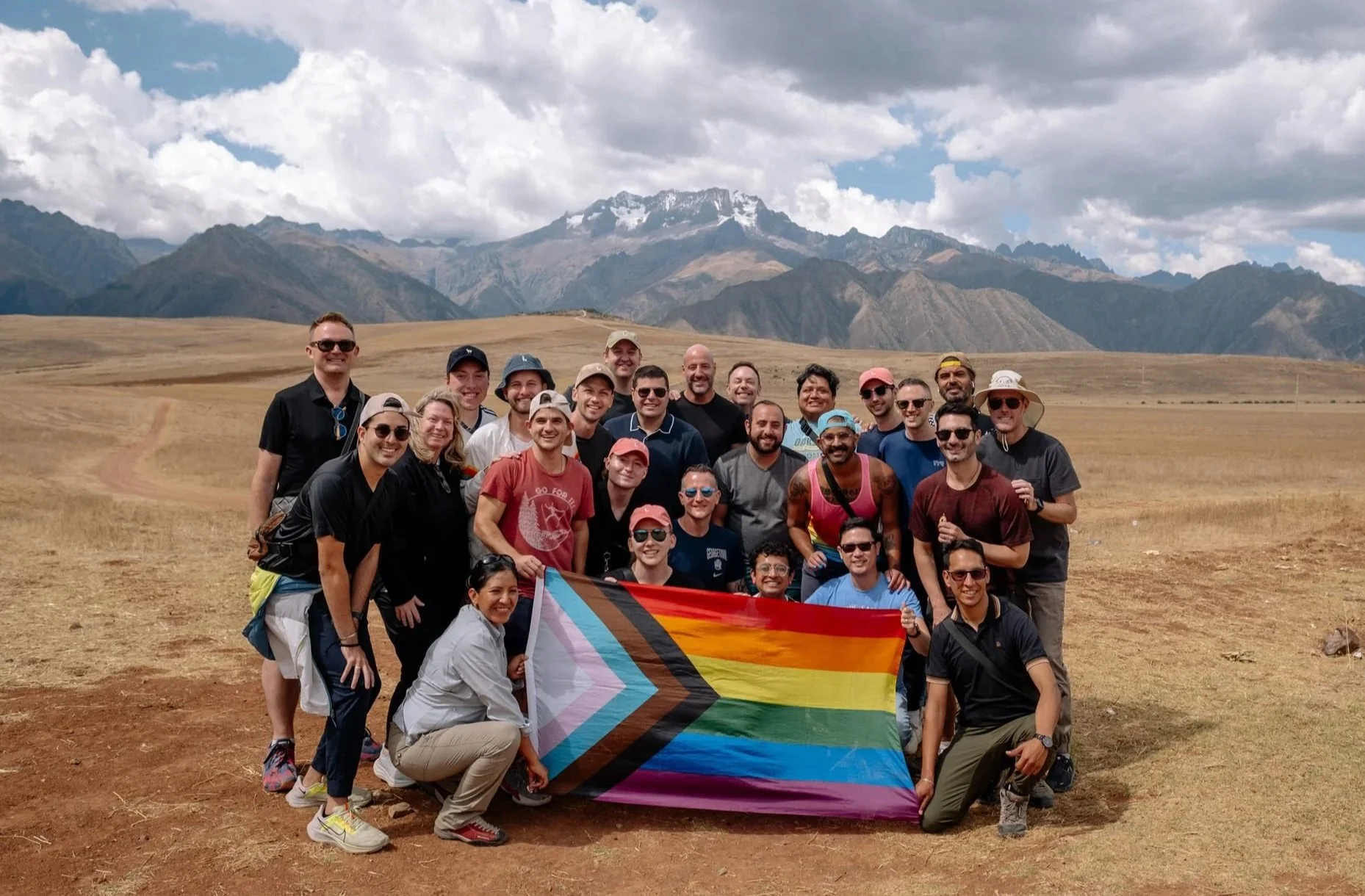
What’s included: 4 & 5-star hotels throughout, 7 breakfasts, 2 lunches, 2 dinners, round-trip domestic flights between Lima and Cusco, all private transport, 10 premium excursions, the Vistadome train, admission to every site, and a dedicated bilingual local guide the whole way. Ryan also leads a Connection and Community-Building Workshop, which in our experience becomes one of the most meaningful parts of any SideQuests trip. As always, while our tours are LGBTQ+ friendly, our tours are centralized around building community, and allies are essential to that. On these tours, everyone is welcome.
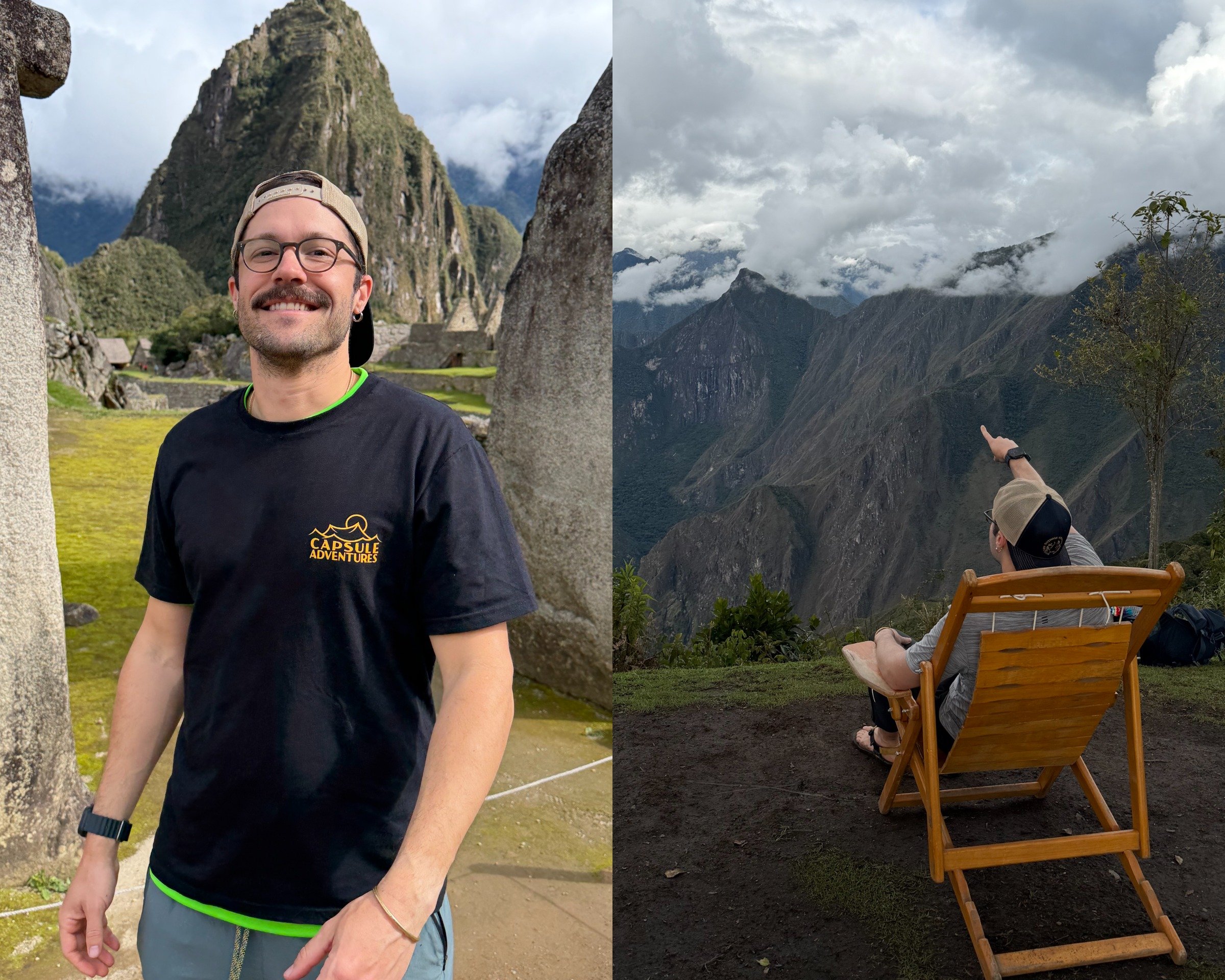
Our Peru trip is hosted by Ryan, a North Carolina native who traded a decade in tech sales for life as a full-time digital nomad and has since traveled to 35 countries. Ryan has led more tours through Peru than we can count, knows the country like a second home, and has a natural gift for building community within a group. On the ground he works alongside Marco from LlamaTrip, our LGBTQ+-owned local partner, who handles every logistical detail with the ease of someone who's been doing this for years.
Want more? There’s an optional Amazon Extension – three days in the deep Amazonian rainforest after the main trip, with a short included flight from Cusco.
Want first dibs on the July 11–18, 2027 Peru gay tour? Spots are limited and our trips fill fast. Check out the itinerary, join our newsletter for future discounts and deals, or send us a quick inquiry if you’d rather chat directly.
Frequently Asked Questions
-
Yes. Peru’s major tourist destinations like Lima’s Miraflores and Barranco neighborhoods are especially LGBTQ+ friendly with a growing visible gay scene. While Cusco and the Sacred Valley are more traditional and conservative, the touristy areas are welcoming for LGBTQ+ travelers and same-sex relationships are legal throughout the country. Peru is more socially conservative in rural areas, so a little discretion outside the main tourist hubs is appropriate (true for any couple).
-
Yes. As a major tourist hub, Cusco is welcoming for LGBTQ+ travelers, especially around the Plaza de Armas and the San Blas neighborhood. It has a small but friendly gay scene with a handful of gay-friendly bars. It’s a smaller, more traditional city than Lima, so the vibe is more relaxed and culture-focused than a big nightlife destination.
-
From Ollantaytambo in the Sacred Valley, the scenic train to Aguas Calientes takes roughly 1.5 to 2 hours. We ride the Vistadome Observatory Train, with panoramic windows and an open-air observatory car, so the journey through the cloud forest is part of the experience rather than just transport.
-
Not for the standard visit. You reach Machu Picchu by train and bus, then walk guided circuits around the citadel on uneven stone steps for two to three hours. The visit requires a moderate amount of walking but is accessible to anyone in reasonable shape. The hard hikes are the optional add-ons and trails from the citadel, like Machu Picchu Mountain (about 1,600 steep steps to an epic bird’s-eye viewpoint) or Huayna Picchu, and neither is required to experience the site. Machu Picchu also sits lower than Cusco, so acclimatizing first makes it feel easier.
-
Most travelers fly internationally roundtrip to Lima, and then connect to Cusco. For our group tour, fly into Lima’s Jorge Chávez International Airport (LIM). On the SideQuests itinerary, the roundtrip domestic flight from Lima to Cusco (CUZ) is included, so you only need to book your international flight into and out of Lima.
-
Cusco sits at 11,152 feet, and altitude affects everyone differently. Mild symptoms like light-headedness, shortness of breath, or a headache usually ease after the first 24 hours. We build acclimatization time into the itinerary. Hydrate, skip alcohol the first night (it hits harder up here), and take it slow. Talk to your doctor about altitude medication if you’re concerned.
-
US, Canadian, UK, EU, and Australian passport holders don’t need a visa for tourism stays up to 90 days. Your passport should be valid at least six months beyond arrival. Machu Picchu entry requires your passport details about 60 days ahead, and SideQuests handles all Machu Picchu ticketing for the group.
-
No vaccines are required to enter Peru from the US, Canada, UK, EU, or Australia. The CDC recommends being up to date on routine vaccines, plus hepatitis A and typhoid for most travelers. Yellow fever vaccination is recommended if you're visiting the Amazon, including our optional Amazon Extension. This would need to be done at least 10 days before you arrive in a risk area. For the classic Lima, Cusco, and Machu Picchu route, yellow fever hasn't traditionally been considered necessary, though CDC guidance can change during outbreaks, so check the CDC's Peru page 4 to 6 weeks before your trip.
-
Yes. Our Peru gay tour runs July 11–18, 2027, an 8-day LGBTQ+ group adventure through Lima, Cusco, the Sacred Valley, and Machu Picchu with 4 & 5-star hotels, included domestic flights, the Vistadome train, a queer connection workshop, and an optional Amazon extension. Solo travelers, couples, and friends all welcome. See all our upcoming trips or read our FAQ for more.
SideQuests Essentials: Before You Go
Everything I wish someone had told me before my first trip to Peru. Quick and honest!
The Altitude Reality
Cusco (11,152 ft) and the Sacred Valley sit high, and altitude is the one thing that catches travelers off guard. Most people feel a little light-headed or short of breath the first day and are fine by day two or three. We build in acclimatization time, and our route is sequenced to ease you upward. Hydrate aggressively, go easy on alcohol your first night, and consider asking your doctor about acetazolamide before you fly. Coca tea, available everywhere in Cusco, helps too. Millions visit every year without serious issues. And, if at all you’re really feeling uncomfy, many hotels offer supplemental oxygen to hold in your room while you rest and acclimatize. (I’ve done this on one visit when I drank way too much alcohol my first night, and the supplemental oxygen was such a perk)!
Passport & Machu Picchu Timing
Your passport needs to be valid at least six months beyond your arrival date. Crucially, Machu Picchu entry tickets are tied to your passport and must be booked well in advance. We need your passport details at least 60 days before the trip to secure entry. On a SideQuests trip, we handle the ticketing so you can have a stress free experience.
Reading the Room - On LGBTQ+ Public Displays of Affection
In Lima’s Miraflores and Barranco and across tourist-focused Cusco, being openly LGBTQ+ is unremarkable. Peru is a more traditional, Catholic country overall, so public affection is a touch more reserved outside those zones… the same low-key read any couple would apply in a small Andean village plaza. It’s a comfort call, not a safety one.
Money & Getting Around
Peru uses the sol (PEN). Carry small bills and cash for markets, community visits, and smaller restaurants. Many artisan stalls (like Pisac weavers) are cash-only. In Lima and Cusco, use rideshare apps (Uber, Cabify, DiDi) rather than hailing street taxis, and keep your wallet in a front pocket in crowds everywhere.
If Something Goes Sideways
Peru’s emergency numbers are 105 (police) and 106 (medical/ambulance). For tourists, iPerú (+51-1-574-8000) is a national tourist assistance line with English support. The U.S. Embassy in Lima can be reached at +51-1-618-2000. Save these under “EMERGENCY Peru” before you fly.
Apps Worth Having
Download Google Translate with the Spanish pack saved offline. This is invaluable for menus and markets outside the tourist core. Inside touristy areas - there’s usually always an English menu available. WhatsApp is how everyone in Peru communicates, including your guide and our group chat. Save Maps offline for Lima and Cusco. Uber/Cabify/DiDi for rides. And Grindr and Scruff both have active user bases in Lima if you want to see what’s on.
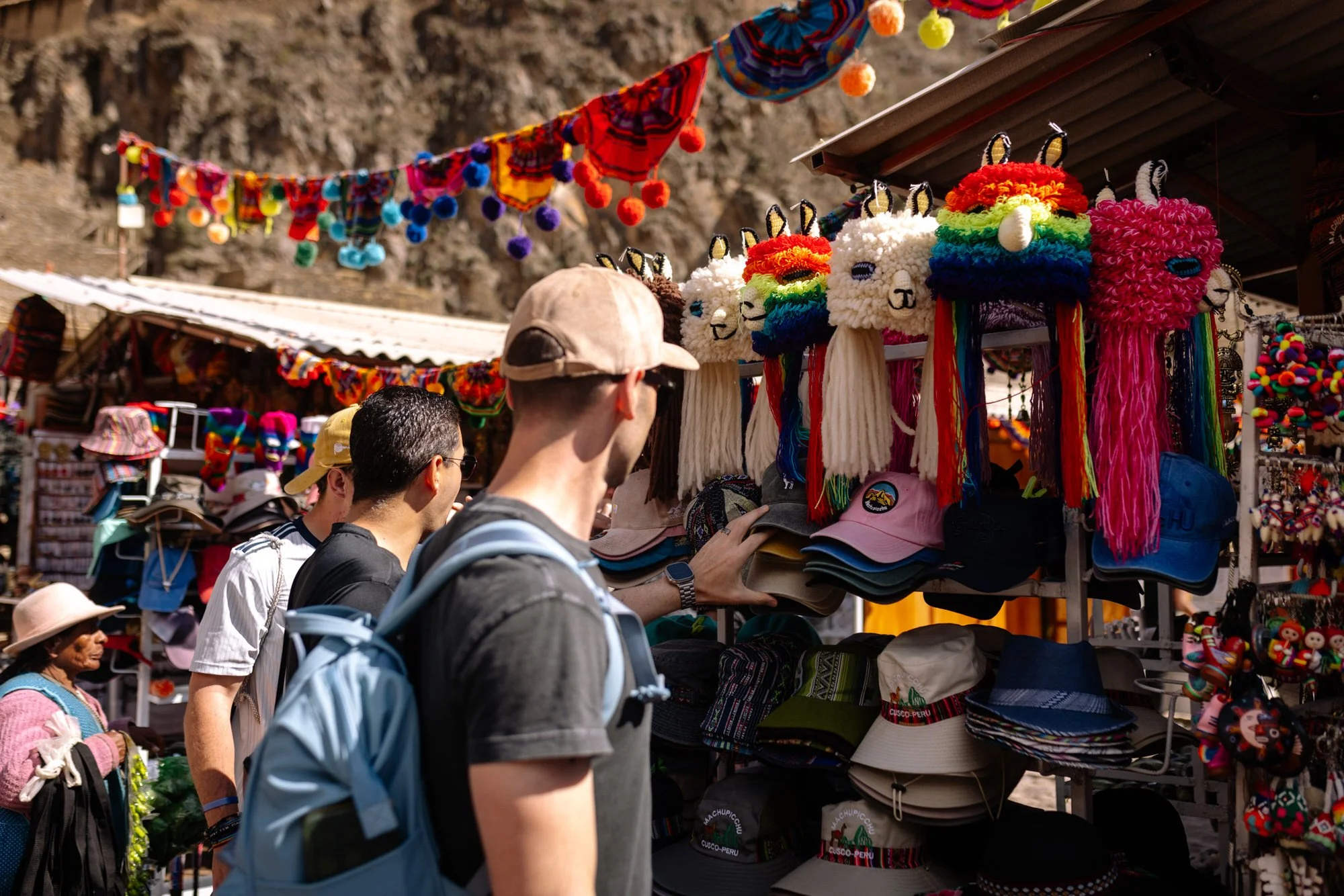
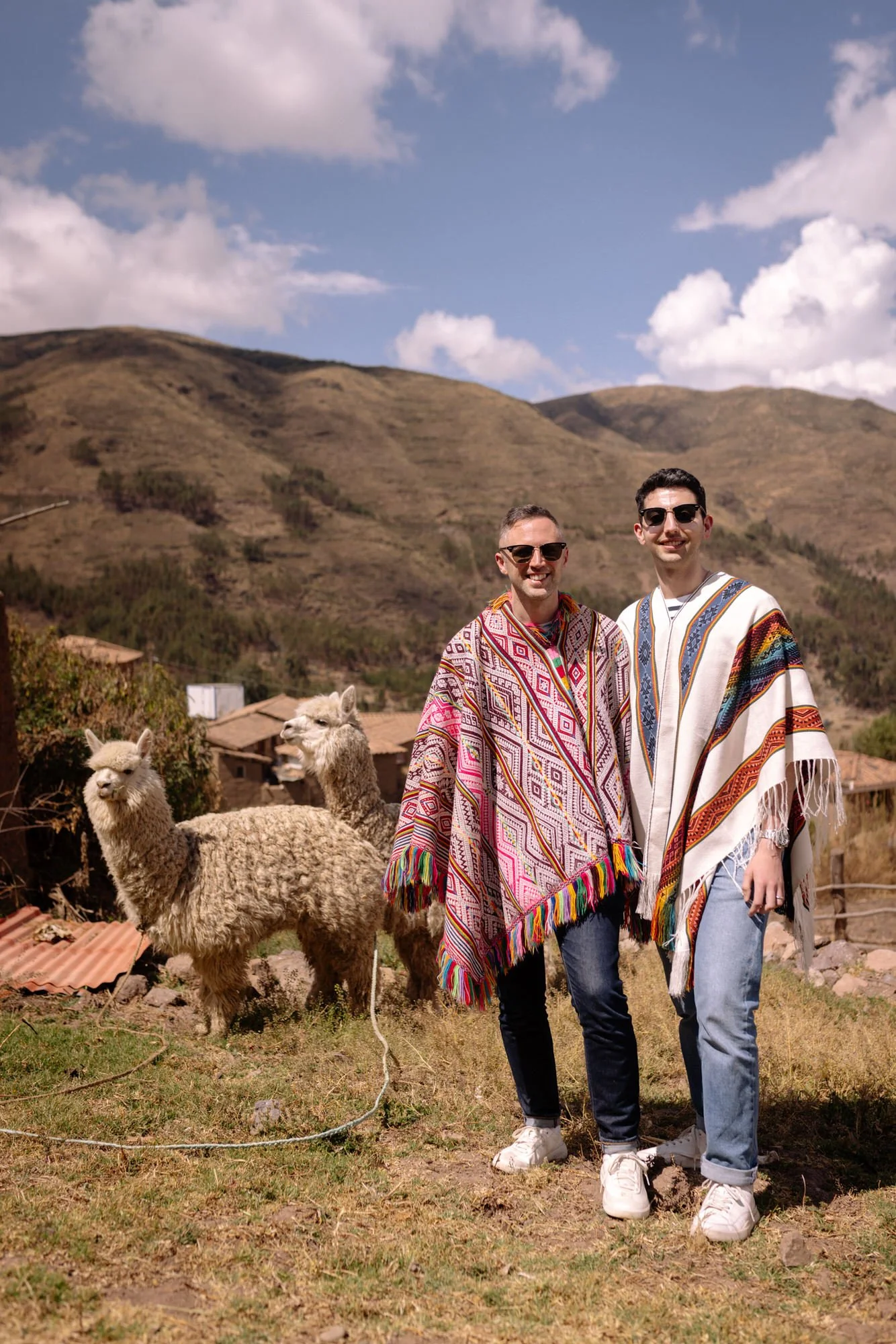
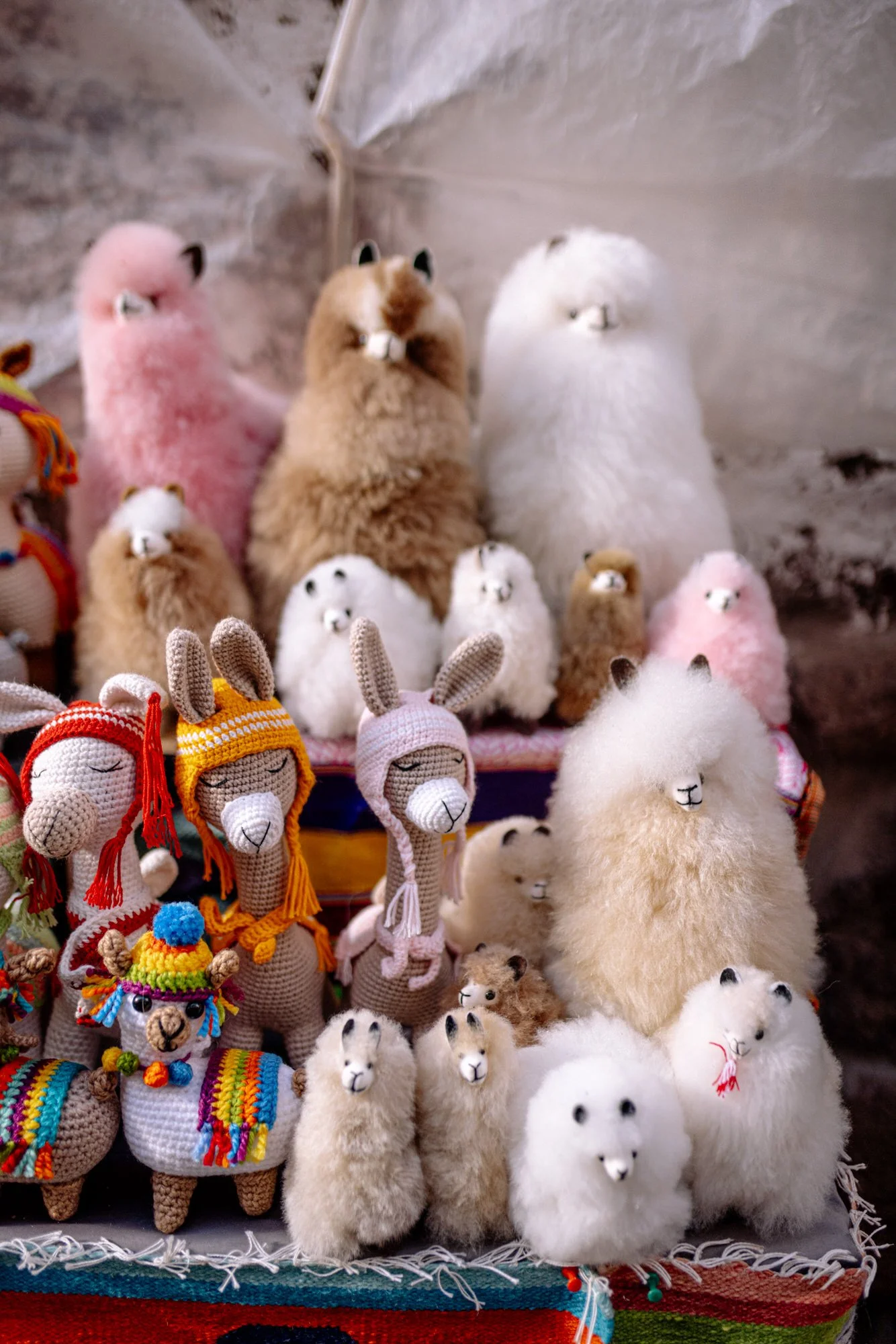
The markets lining the Sacred Valley are worth a slow wander... the rainbow-maned llama hats are basically a rite of passage for anyone coming through the Cusco region.
Ready to Travel to Peru?
Peru isn’t just a destination, it’s the kind of trip that recalibrates you. The food, the history, the landscapes, and that one impossible moment standing above Machu Picchu… it’s all waiting, and it’s even better than the photos promise. I always want to stay longer. This time, you can come with us.
Our Peru: Lima, Machu Picchu, Cusco & the Sacred Valley trip runs July 11–18, 2027. Eight days, seven nights, 4 & 5-star accommodations, included domestic flights, the Vistadome panoramic train, 10 premium excursions, a queer connection workshop, and an optional Amazon extension. Solo travelers, couples, and friend groups are all equally welcome.
If you’d like to ask questions first, get in touch. We’d love to talk!
Can't make Peru? Browse our 2027 adventures through Vietnam, Colombia, Japan, and beyond!
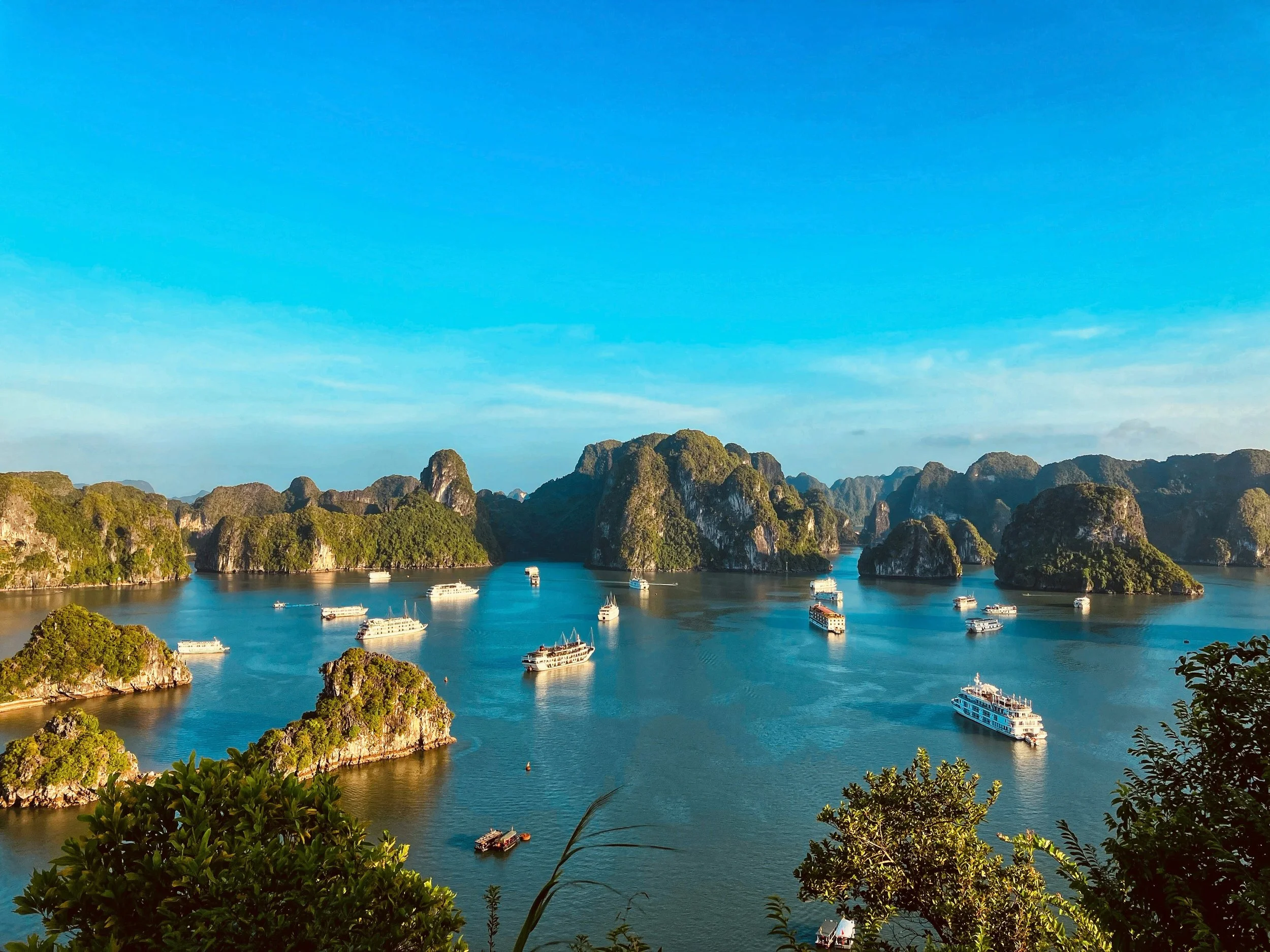

Is Morocco safe for gay travelers? Same-sex relations are still illegal here, and we're not going to pretend otherwise. Here's what that actually means for visitors in Marrakech, the Dadès Valley, and the Sahara.