
Is Colombia Safe for LGBTQ+ Travelers?
Quick answer: Yes, Colombia is safe and welcoming for LGBTQ+ travelers. Same-sex marriage has been legal since 2016, discrimination based on sexual orientation is a criminal offense, and major hubs like Medellín and Cartagena are well-policed and tourism-focused. This guide answers is Cartagena gay friendly, covers what to expect in Medellín's gay scene, names the hotels, bars, and restaurants we loved, and shares the practical safety habits every traveler should follow — drawn from our own SideQuests gay group tours in Colombia.
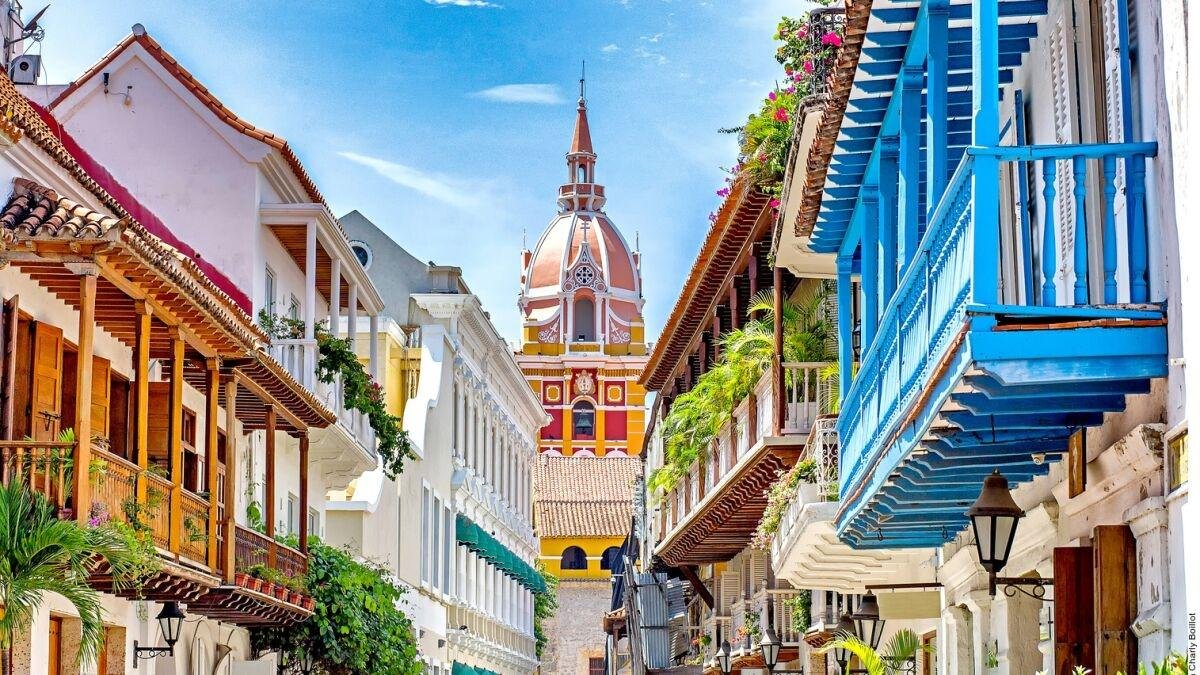
If you're researching Colombia for a gay trip and the first thing your brain serves up is Narcos... you're not alone. We had the same hesitation before our first ever SideQuests Colombia Retreat in January 2026. We wondered if Colombia is gay friendly, and we definitely heard the warnings from family. Yes, we saw the headlines and recognized the lingering ghost of Pablo Escobar that still haunts conversations about Medellín... and then everything changed when we landed.
What we found in Colombia was a country that's been quietly transforming itself for two decades (she’s had quite the glow-up)! Medellín is greener, safer, and more design-forward than many, many, American cities we've visited. Cartagena's walled city felt like a Caribbean dreamscape, and well, we never wanted to leave. We almost didn’t! The city has that much charm. And in both places, we held hands, kissed at rooftop bars, and danced through Provenza without a single person batting an eye (unless they were checking us out, or one of our friends).
We're ecstatic that SideQuests is returning to Colombia with an LGBTQ+ group of travelers from February 6–12, 2027... and this post is the answer we wish someone had given us the first time we asked. Below, the honest, lived-experience answer to is Cartagena gay friendly, what to expect in Medellín, and the smart safety practices that apply whether you're queer, straight, traveling solo, or rolling with our gay group travel crew.
The Short Answer: Yes, Colombia Is Safe for LGBTQ+ Travelers
Colombia is safer for LGBTQ+ travelers than most people may think... and it’s significantly safer than its reputation suggests! In fact, same-sex marriage has been legal in Colombia since 2016. Under national law, harassing or threatening someone based on their sexual orientation is a criminal offense. Bogotá has elected an openly lesbian mayor, runs a gay Chamber of Commerce, and even the State Police have completed "Friendly Biz" certification... yes, the police are team players, and we’re here for it.
Major tourist corridors like Medellín, Cartagena, and Bogotá are well-policed, tourism-focused, and stable. The tourist-areas especially are very well taken care of. Hotels in our experience routinely book gay couples without comment. Public displays of affection vary by neighborhood, but in El Poblado's Provenza district and Cartagena's Getsemaní, you'll fit right in with the crowd.

Want to Travel to Colombia?
Join us in 2027 from Medellín to Cartagena!
Join the SideQuests community on a 7-day adventure of a lifetime from Medellín to Cartagena! This is an inclusive LGBTQ+ group trip designed for couples, solo travelers, and groups of friends alike. This trip is all about self-discovery, exploration, and making some lifelong friends and memories!
Gay Friendly Colombia: The Reputation vs. The Reality
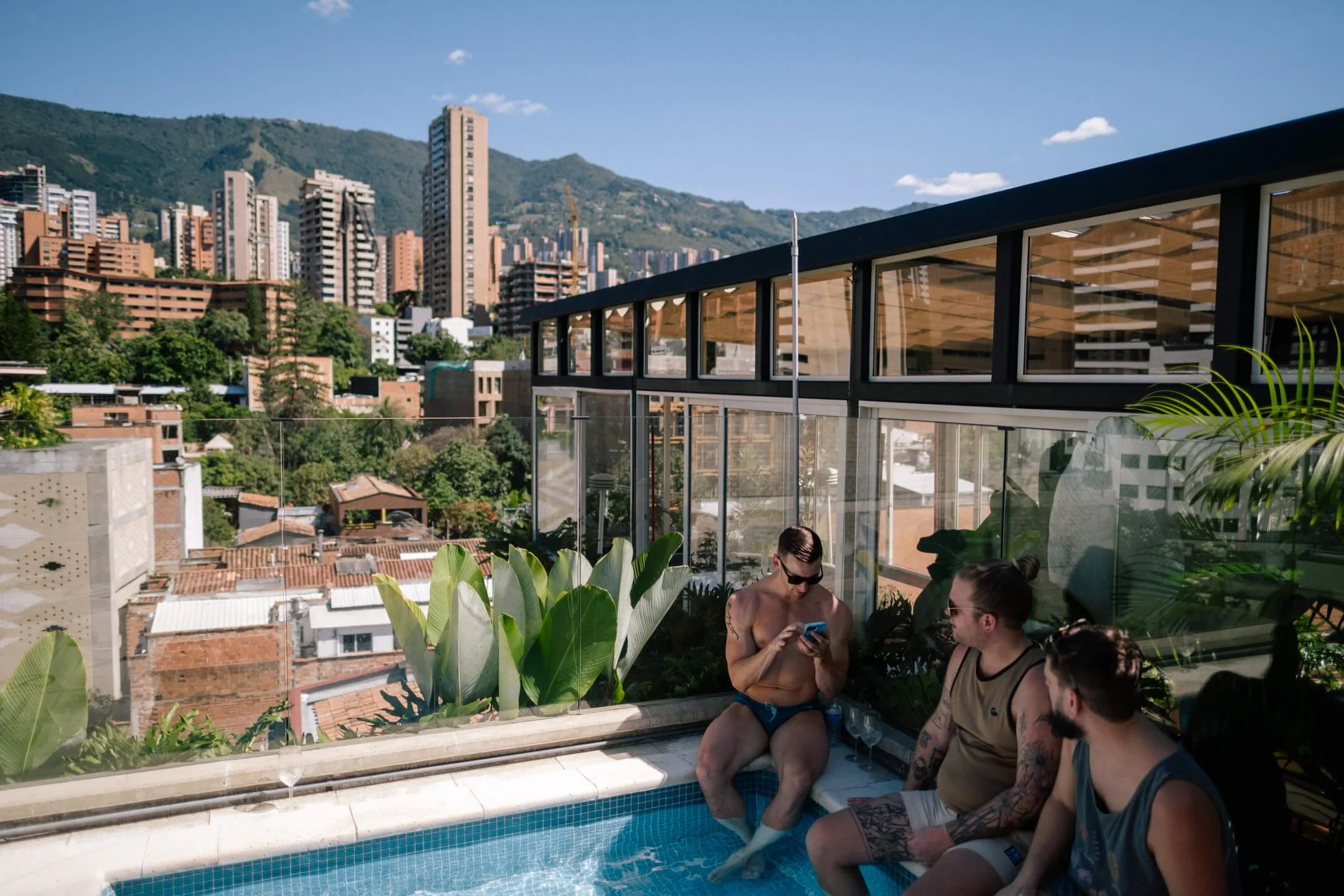
To be completely honest, Colombia's reputation lags about twenty years behind its reality. The cartel-era stereotypes that’ve burned into every American's brain from Narcos, Sicario, and decades of evening news... they're simply a snapshot of a country that no longer exists, at least not in the cities like Medellín and Cartagena where you'll actually be visiting.
“Medellin, in particular, is one of the great urban transformations of the last century... you’ll likely feel safer walking El Poblado at 11pm than parts of some American cities”
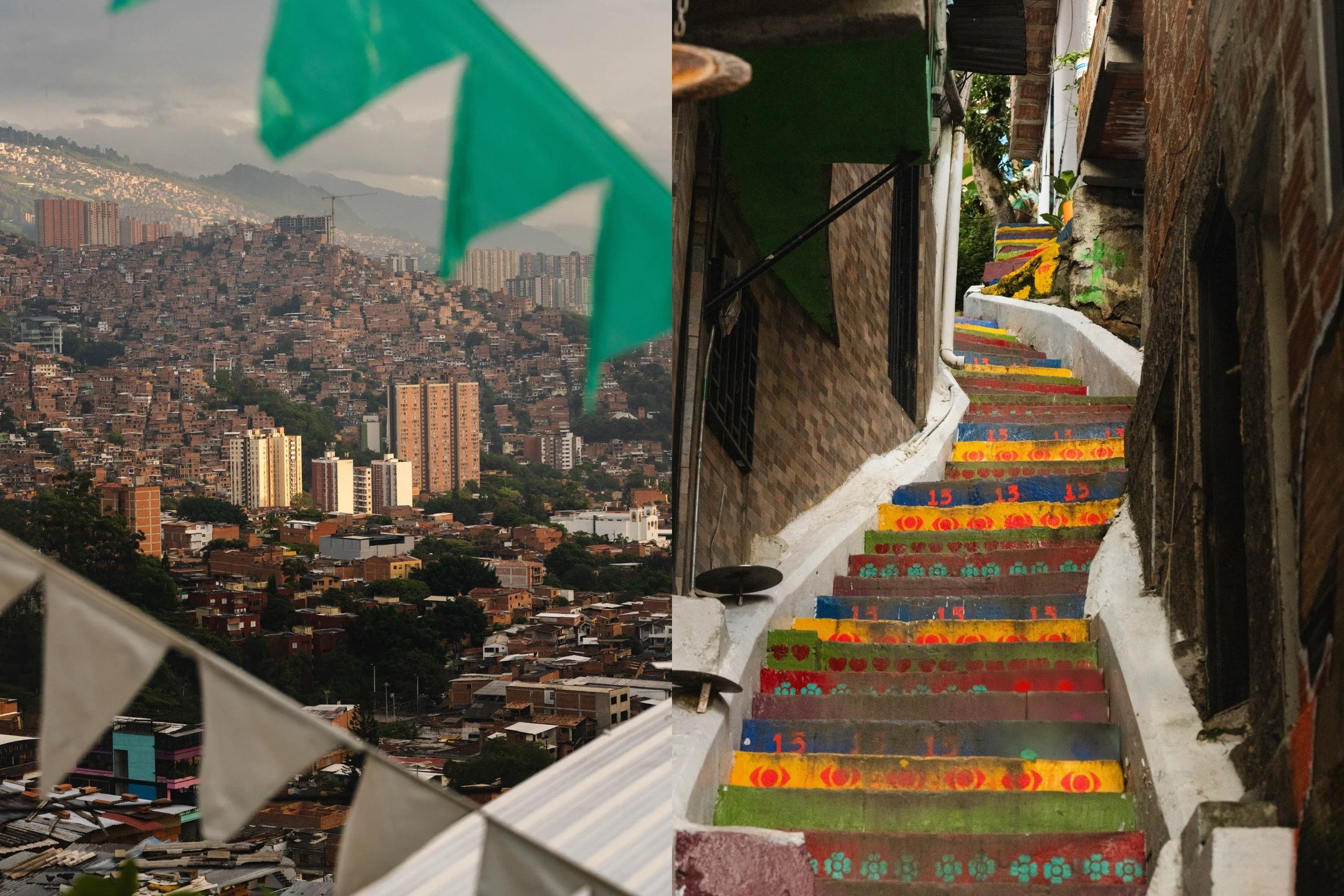
Medellín, in particular, is one of the great urban transformations of the last century. Full stop. The neighborhoods that once made headlines now host design studios, third-wave (mind-blowing) coffee roasters, and gorgeous rooftop pools. The city installed escalators in Comuna 13 to connect formerly isolated hillside communities. The metro is clean, efficient, and runs mostly on time. You'll likely feel safer walking around El Poblado at 11pm than parts of certain American cities... we certainly did.
That doesn't mean Colombia is risk-free. No country is. It means the risks you actually need to think about are mostly the same kind of petty-theft, opportunistic-pickpocket risks you'd think about anywhere from Barcelona to Boston. And really, we can’t say enough—stay aware of your surroundings whether you’re at home, or traveling abroad! We'll get to the practical safety section below.
Is Cartagena Gay Friendly?
Yes, Cartagena is gay friendly... and our experience there ranks among our favorite stays anywhere. The walled city and Getsemaní neighborhood are tourist-focused, lively, super welcoming, and visibly open to LGBTQ+ visitors. Same-sex couples are a common sight in restaurants and bars throughout the historic center. In a way, we’re like the street decor—colorful and plentiful. Hotels are accustomed to gay travelers and most don't blink, though they may wink if they’re feeling flirty.
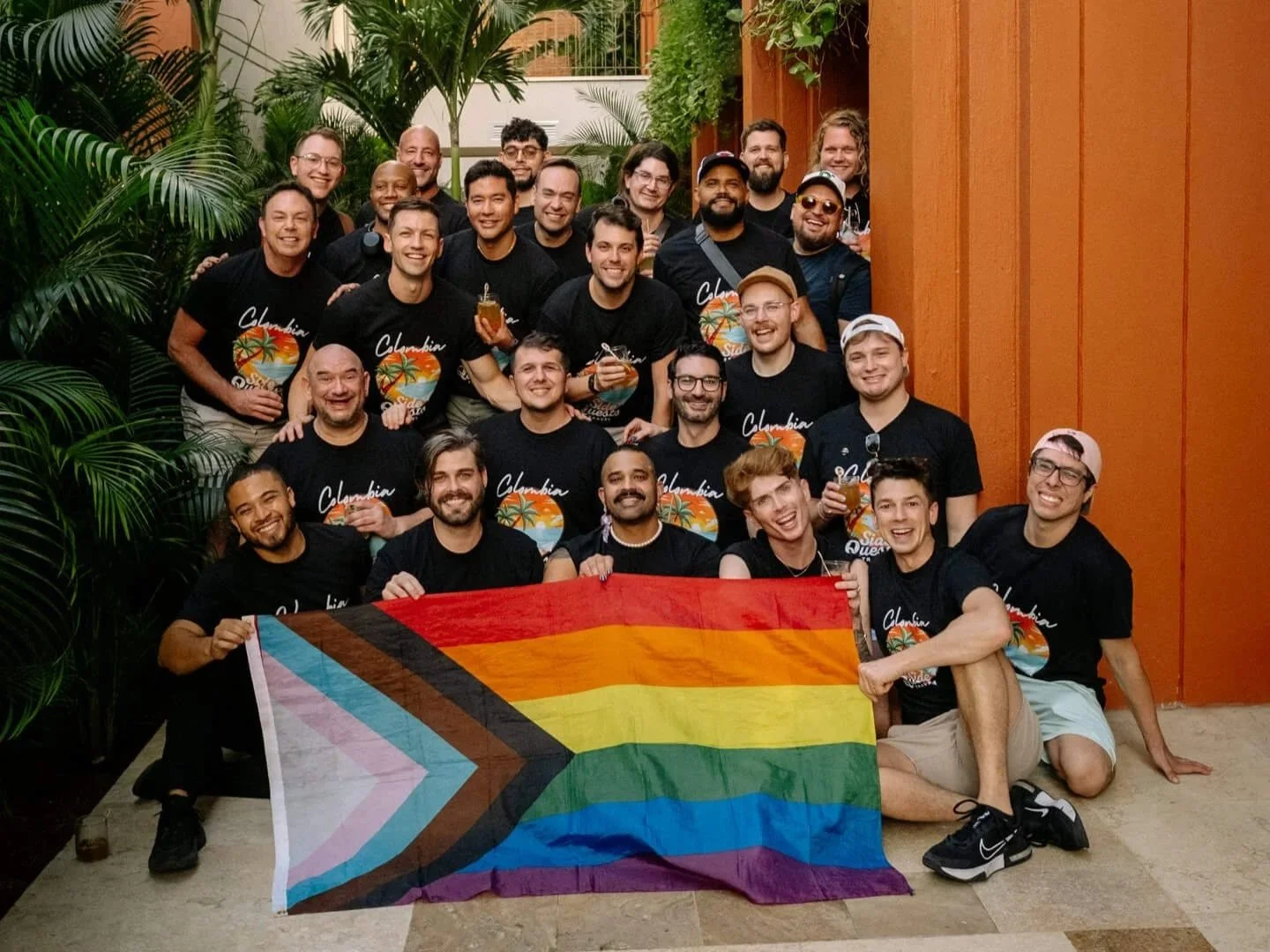
We stayed at OSH Hotel Cartagena in the heart of Getsemaní and it blew our minds. Welcome cocktail in-hand, venture up to the rooftop pool with epic views over the colonial rooftops. The ground-floor pool is ringed with private cabanas, and the spacious rooms feel more like a little private studio than a hotel suite. The rooftop bar, Ajeno, became our default sundowner spot. After an evening out, a cocktail in the warm breeze with new friends was the best way to wind down. Some hotels are places you sleep... OSH is a place you actively want to come back to.
For the rest of your Cartagena days, here's where we'd point you:
Libertario Coffee Roasters for what we think might be the best coffee on the planet
Café del Mural in Getsemaní... a tiny, vibrant spot where pour-over coffee meets the street art murals just outside the door
Plaza de la Trinidad at dusk... bring a beer, sit on the church steps, watch the neighborhood come alive
Alquímico for cocktails... three floors of one of Latin America's best bars, and the energy is unreal
Restaurante Carmen for one of the best meals of our entire trip... flavors were beyond, and we got a private room looking to the main dining room and it felt like a super special VIP experience
The Clock Pub and Bourbon St. for late-night activities when you want to keep the night moving
Cartagena doesn't have a dedicated gay neighborhood the way Medellín does. What it has instead is a tourism-focused, warm Carribean culture where openly gay travelers are simply just part of the scene.
Is Medellín LGBTQ+ Friendly?
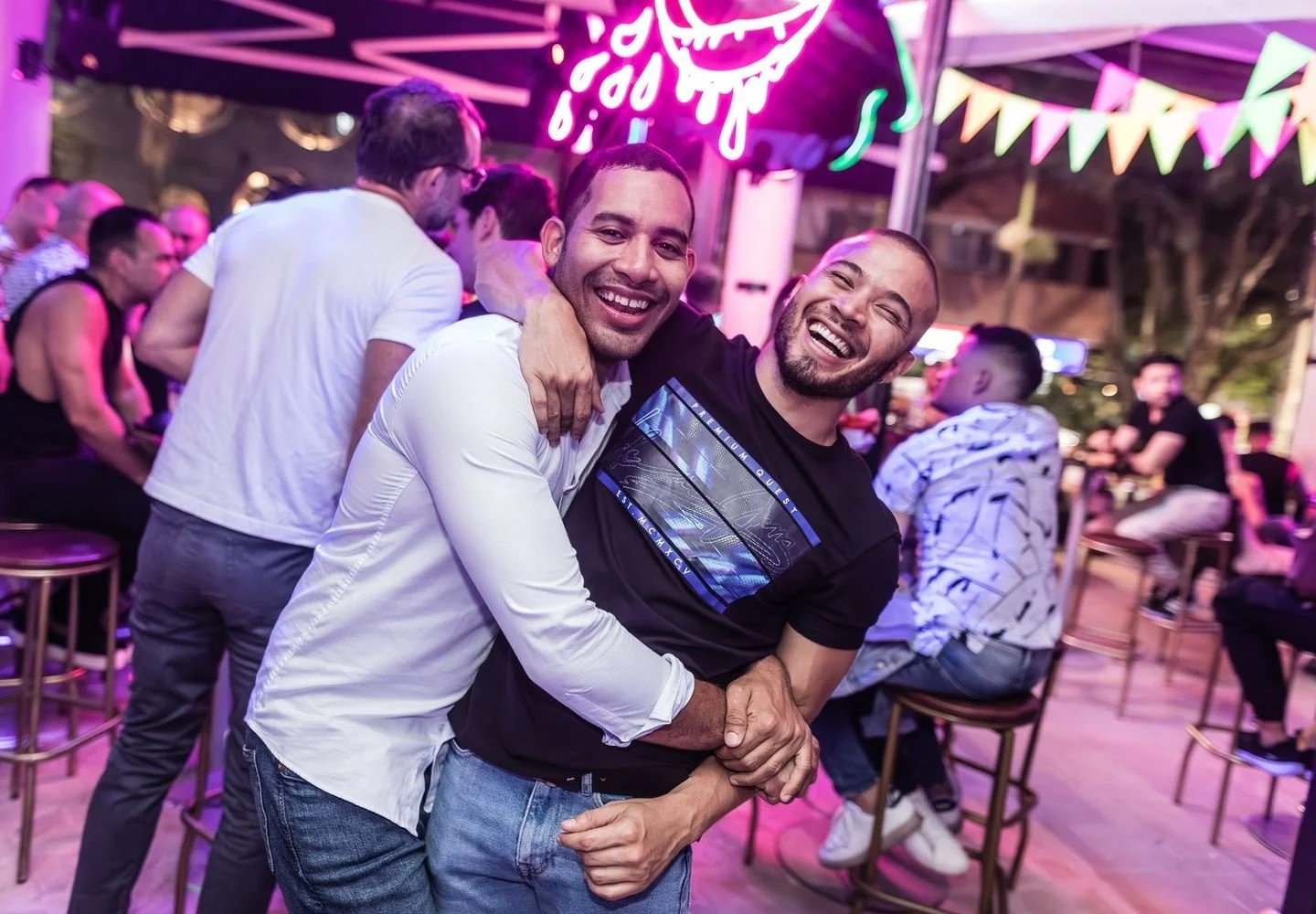
Yes, Medellín is one of the most LGBTQ+ friendly cities in Latin America... and arguably the most welcoming and vibrant we've experienced in our travels. The gay area in Medellín is concentrated in El Poblado, specifically along Provenza and Parque Lleras, where bars, clubs, cafés, restaurants, and attractive (very attractive) singles spill into the streets every night of the week. Pride celebrations have grown massive over the last decade and continue expanding each year. Medellín Pride is typically the last weekend of June. Cartagena Pride is usually held in August, though the dates have changed in recent years and sometimes fall over the last weekend of June or mid-July as well.
We stayed with our SideQuests gay travel group at the Landmark Hotel Medellín. It's stylish, central to El Poblado, and the staff treated our (very gay) group exactly like they treat every other guest... like family. The rooftop pool and bar was the cherry on the cake. Click Clack Hotel Medellín is another stunner if you're looking for design-forward options nearby.
For mornings, we lived at Pergamino Café... nothing in our memory beats their single-origin Colombian pour-overs. General Café Bar is another great option, serving a mean spread for breakfast and strong coffee. For meals: Restaurante Malevo for a stylish dinner, Restaurante Creta for the best Mediterranean in all of Medellín (and possibly in the Andes), and Zombra Restaurante, where we had our SideQuests welcome dinner on night one... still one of the best openings of any trip.
If you’re looking for other great destinations in Latin America for gay travelers, check out our gay travel guides for Costa Rica and Mexico!
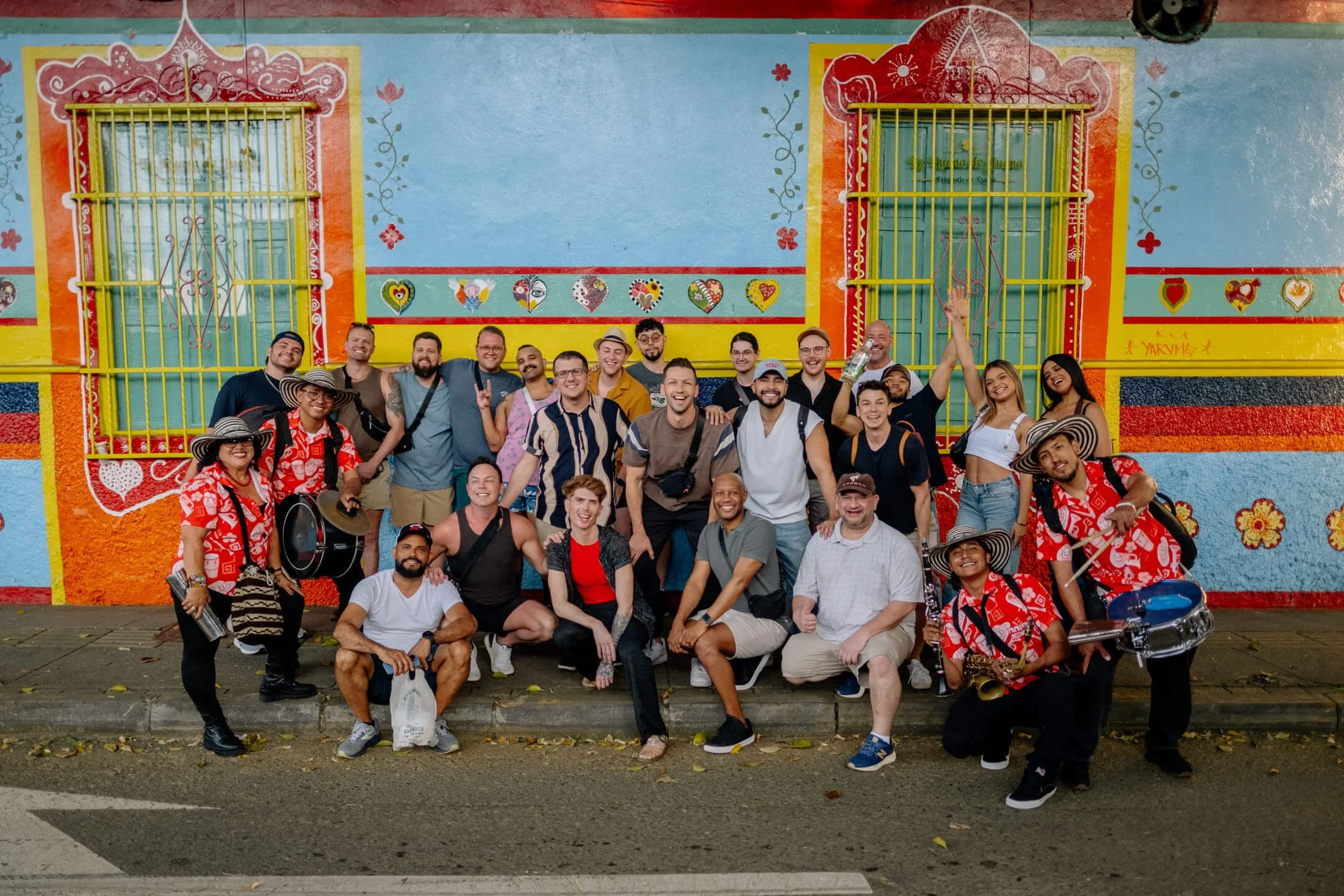
When it comes to gay bars in Medellín Colombia, this is where the city really likes to show off. Medellin’s gay bars range from high-energy dance clubs to laid-back neighborhood spots:
Salón Amador for high-energy queer nightlife and serious dance energy
Club Oráculo for after-hours excitement
Donde Aquellos Bar for a chiller, neighborhood gay-bar vibe
Bar Chiquita for the most eccentrically decorated and fun bar that has a bit of everything — dancing, DJ, chill vibes, a stripper pole you can try, and a literal shrine for Maluma. I will be talking about this bar until I cease to exist.
The Medellín gay community is warm in a way that's hard to describe until you've felt it. People genuinely want you here. People are excited that you came to visit. After decades of watching the world write off their city… locals, and especially the LGBTQ+ community show up for visitors with a generosity that's sincerely moving.
Want first dibs on the February 6–12, 2027 Colombia Retreat? Our 2026 cohort filled fast and 2027 spots are limited. Check out the itinerary, join our newsletter for early access and trip updates, or send us a quick inquiry if you'd rather chat directly.
Are Colombians Friendly to LGBTQ+ Visitors?
Colombians are warm in a way that sometimes can catch Americans off-guard. People say hello on the street, they smile at you. Servers want to know where you're from and what you think of the food… and sometimes what you’re doing after the meal!! Strangers in cafés strike up conversations and want to even stay connected afterwards. As LGBTQ+ visitors, we never felt observed, exoticized, or singled out... we just felt very, very welcomed. In fact, according to a 2024 Ipsos survey, 65% of Colombians approve of same-sex marriage, and Colombia decriminalized homosexuality in 1980, decades ahead of many Western countries. The one place attitudes stay more reserved is with public affection, which tracks with what we felt on the ground... totally unremarkable in Provenza or Getsemaní, but a little more low-key in say a small rural plaza.
A Moment that Stuck With Us:
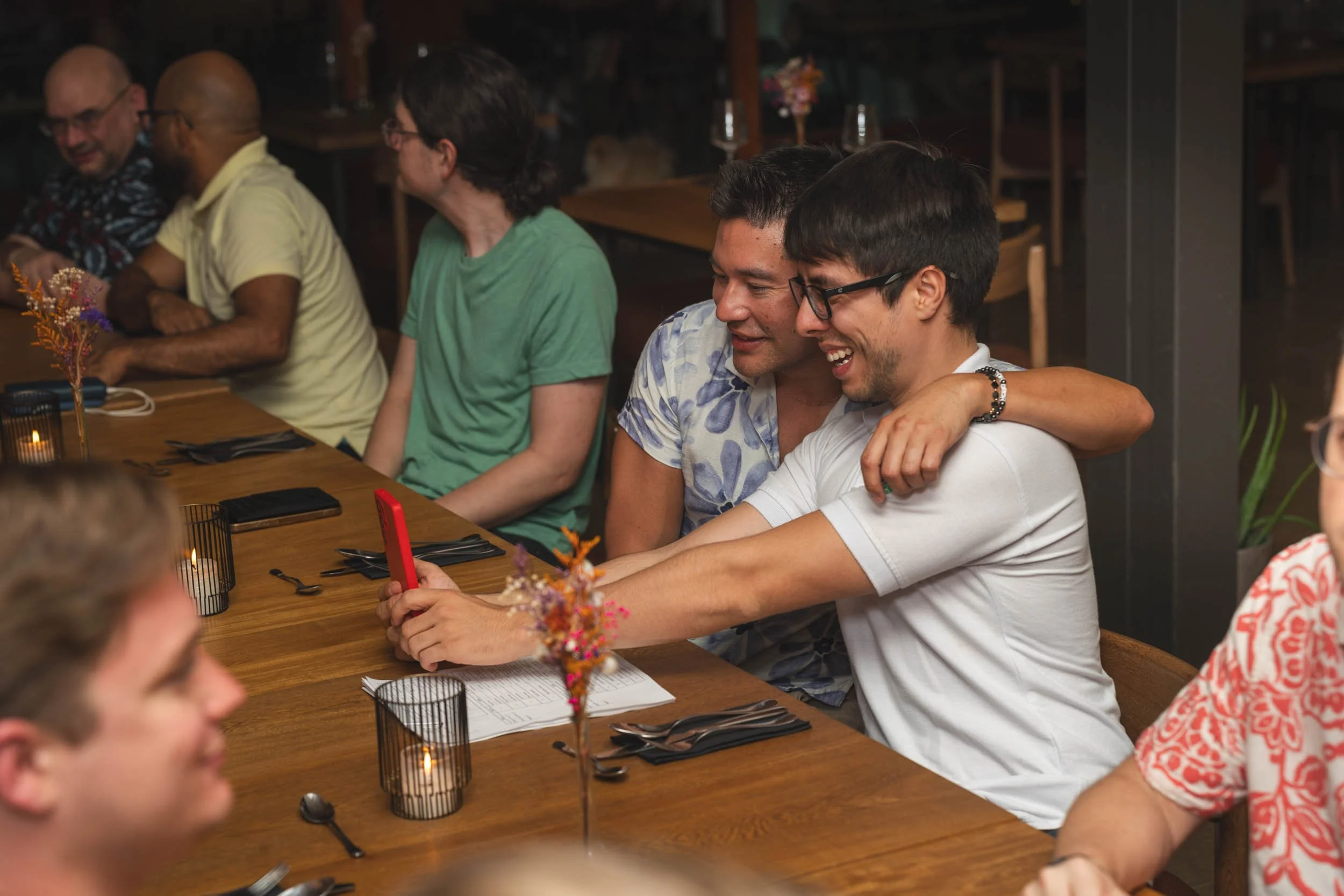
This is something we’re going to remember: on the drive back from our coffee farm day at Capilla del Rosario, our guide took us to Donde Dario Restaurante for a home-cooked Colombian almuerzo. Family-style plates, three generations cooking in the back, no English menu... and the matriarch came out to make sure two American gay guys were eating enough. That's Colombian hospitality in one image.
One cultural caveat: Colombia is still a predominantly Catholic country, and public displays of affection are more reserved across the board than in, say, San Francisco’s Castro district. That goes for straight couples too. In gay-coded spaces like Provenza or Getsemaní, holding hands is entirely unremarkable. This is really for the rural areas, like in a tiny town’s main square, you may just want to read the room. That's more-so a comfort calibration, not a safety one.
Smart Safety: The ’No Des Papaya’ Playbook
These are the practical habits that keep travelers safe in Colombia... and they apply whether you're LGBTQ+ or not, solo or in a group:
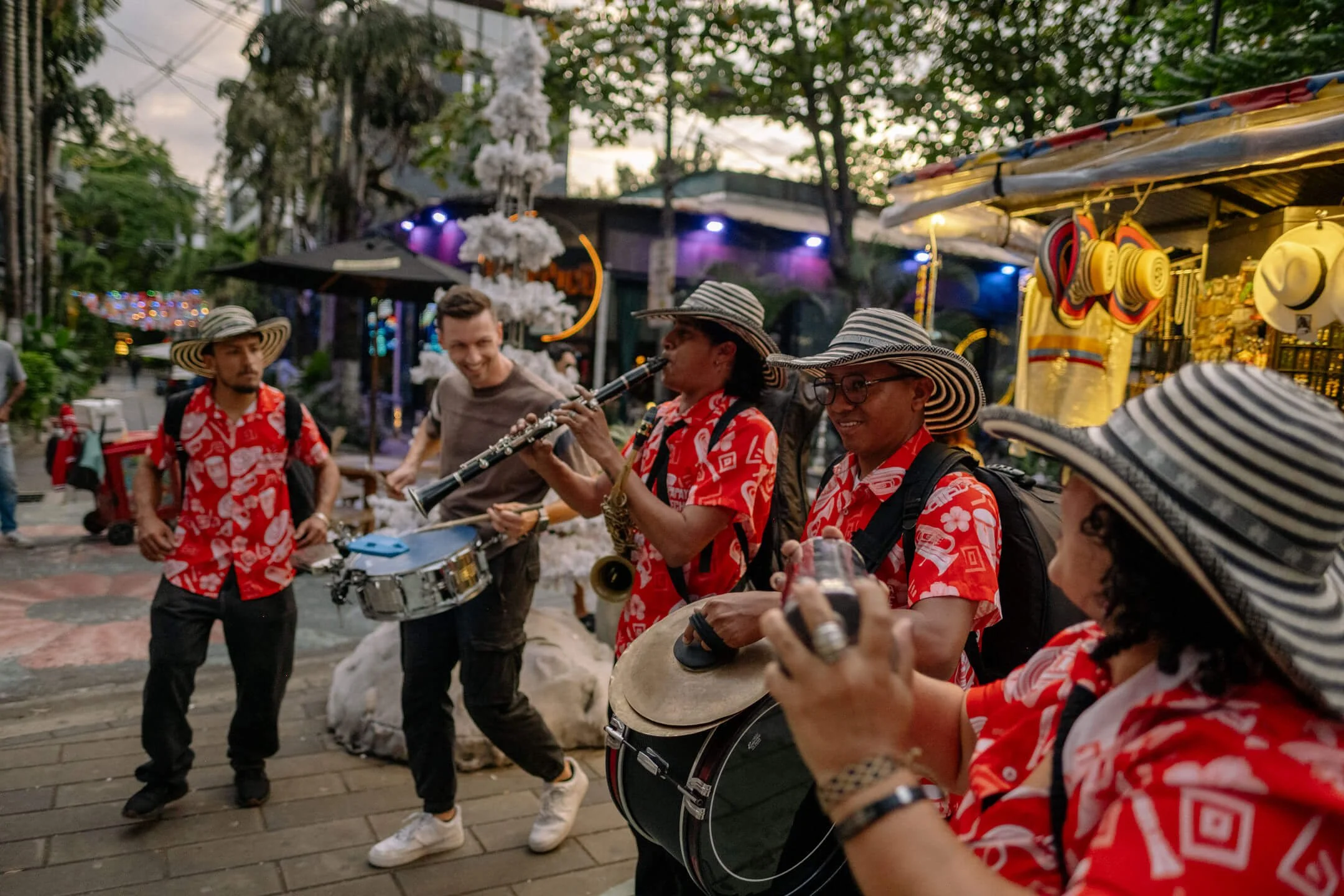
"No des papaya."literally meaning: don’t give papaya! This is the local mantra: don't give anyone a reason to take advantage of you. Don't flash a gold Rolex, don't pull out your shiny golden iPhone every two seconds, don't carry more cash than you'll use today.
Use rideshare apps, not the street taxis. Uber, Cabify, and DiDi all operate in Medellín and Cartagena.
Wallet in your front pocket, especially on Medellín's metro or in crowded markets. In fact, bring only the credit card and cash you’ll be using for the day.
Watch your drinks being poured, particularly if you're meeting someone new from an app. Hey stranger! Standard advice in any nightlife scene worldwide. The later it gets, the more watchful you should be.
Register a guest at the front desk if you bring someone back to your hotel. Colombia legally requires it as part of anti-trafficking measures... I know it feels formal and uncomfortable at first, but it's there to protect everyone. Some hotels will charge for this registration, so this is something you may want to ask your hotel or budget for in advance.
Skip the in-room safe for true valuables. Like many destinations, I’d recommend just not bringing the Rolex with you to Colombia… But if you did bring your diamond-studded harness, use the front desk's safety deposit box instead.
Get Travel insurance that covers medical evacuation. We can still trip on a stick and twist our ankle even while on vacation! Our trips include basic Colombian medical coverage, but if you want to go the extra mile, a comprehensive policy is always smart too.
"¡Pilas pues!" — pay attention. That's the through-line. Stay alert, stay aware, and Colombia will reward you.
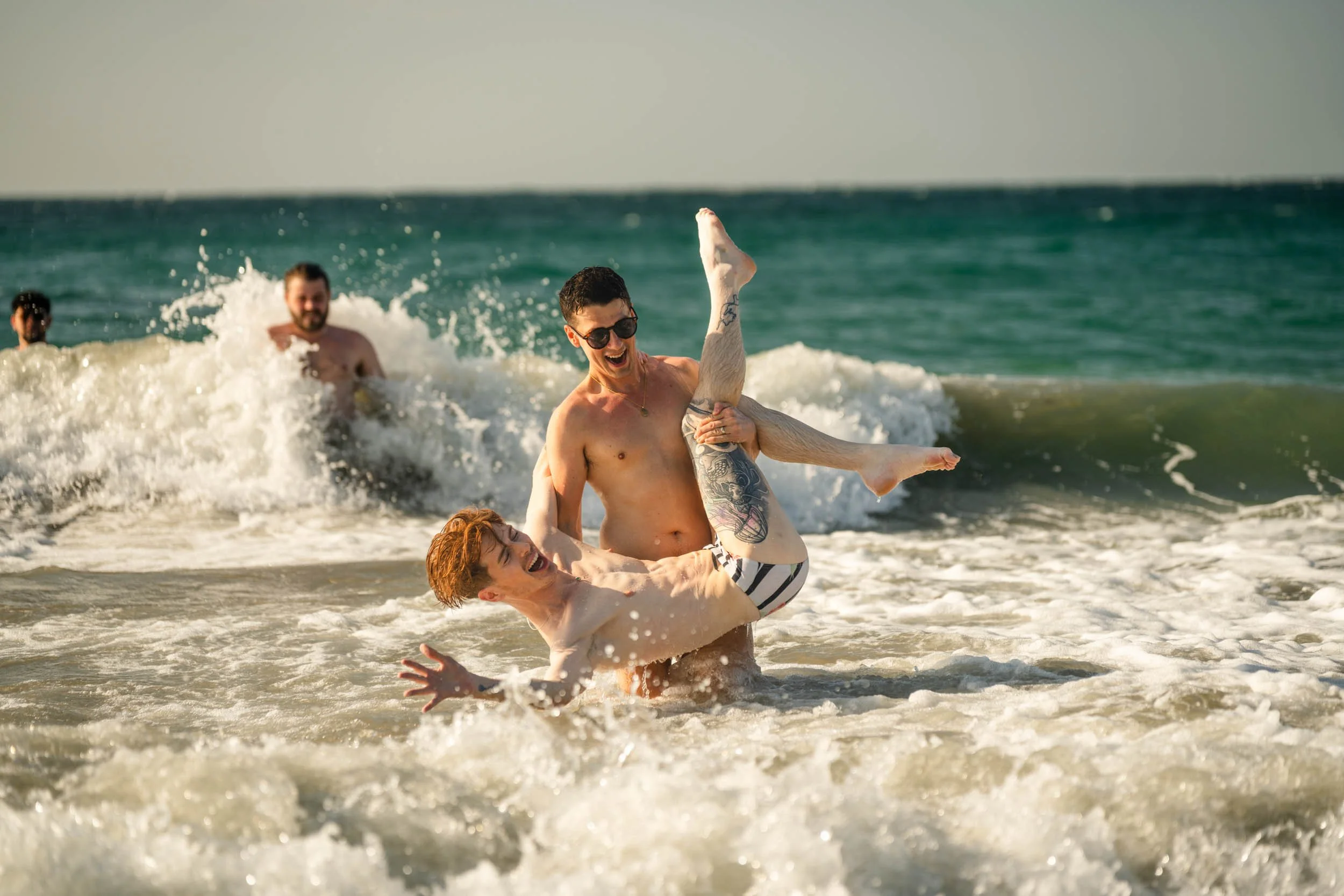
Why We Travel With a Local Team in Queer Friendly Colombia
The single biggest reason our 2026 group felt so safe and connected? We didn't do this alone. SideQuests Travel partners with Out In Colombia, an LGBTQ+-owned operator based in Medellín, founded by an American expat who's called the city home for over a decade and built his life inside the local queer community.
That kind of partnership is what separates a real gay adventure travel experience from a generic Latin America package. Our bilingual local guide is with us throughout the entire trip... 24/7 concierge support, real-time recommendations, immediate help if anything goes sideways. They've personally vetted every hotel, restaurant, coffee farm, and nightlife stop on our itinerary. They know which neighborhoods are safe at 1am and which to avoid. They know which bars genuinely welcome LGBTQ+ guests and which are tolerating, not celebrating.
You're never on your own. You're not relying on Google Translate to handle a pharmacy run. You're not guessing whether a taxi driver is legit. That's the difference local makes.

Frequently Asked Questions
-
Yes. Cartagena's historic walled city and Getsemaní are well-patrolled, tourism-focused, and welcoming to LGBTQ+ visitors. Stick to populated areas after dark, as you would in any city, and use rideshare apps if you're moving between neighborhoods.
-
Very. Medellín is one of the most LGBTQ+ welcoming cities in Latin America, with a dense, openly gay scene around El Poblado's Provenza, growing Pride celebrations, and a tight-knit local queer community. Many SideQuests guests call it their favorite stop.
-
Yes. Colombian culture is famously warm and welcoming, and LGBTQ+ travelers report feeling included rather than tolerated. In urban tourist areas, openly gay couples are unremarkable. In rural settings, a touch more reserve is appropriate (true for straight couples too).
-
Yes. Same-sex marriage has been legal in Colombia since 2016, and discrimination based on sexual orientation is a criminal offense under Colombian law. Colombia is among the most LGBTQ+ progressive countries in Latin America from a legal standpoint.
-
Yes. Our Colombia gay tour runs February 6–12, 2027, a 7-day LGBTQ+ retreat from Medellín to Cartagena with 5-star hotels, coffee farms, Guatapé, a private island beach club, and a queer connection workshop. Solo travelers, couples, and friends all welcome.
-
Medellín is the City of Eternal Spring, so pack light layers, walking shoes, and something fashionable for Provenza's nightlife. Cartagena is hot and humid year-round: think breathable cotton, swimwear, and a sun hat. Both cities lean stylish; skip the athleisure.
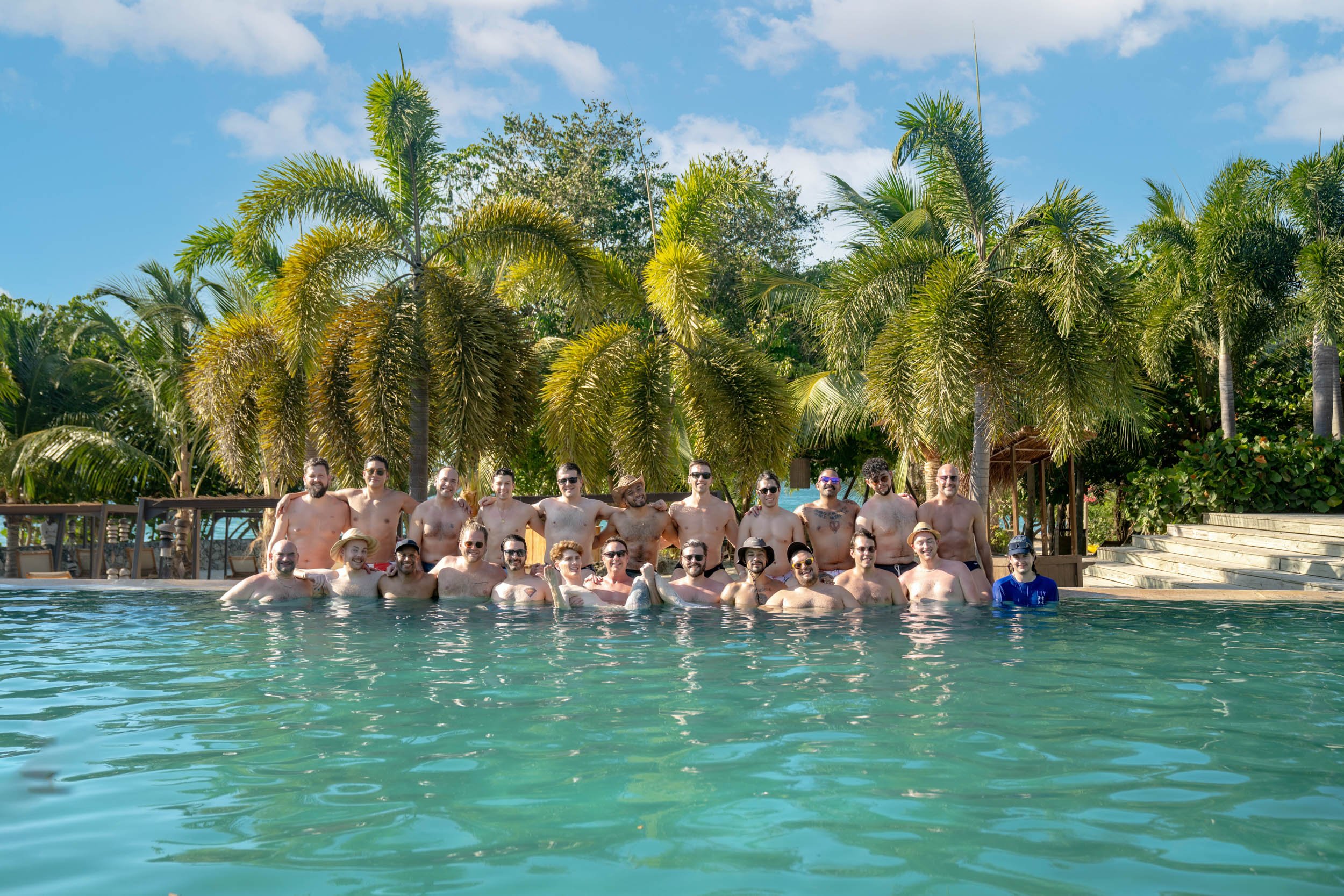
Ready to Travel to Colombia?
Colombia isn't the country its reputation says it is... it's better. Greener than you expect, kinder than you expect, gayer than you expect, and easier than you expect to fall completely in love with. We came home from our 2026 trip already planning the next one.
Our Colombia Retreat: Medellín to Cartagena runs February 6–12, 2027. Seven days, six nights, 5-star accommodations at Landmark Hotel Medellín and OSH Hotel Getsemaní, 12 included meals, nine premium excursions including coffee farms, the Gay Guatapé boat tour, and a private island beach club, plus a bilingual local guide throughout. Solo travelers, couples, and groups are all equally welcome.
Reserve your spot for Colombia 2027 →
If you want to ask questions first, get in touch. We'd love to talk!

SideQuests Essentials: Before You Go
Everything we wish someone had told us before our first trip to Colombia. Quick and honest!
The Legal Lay of the Land
Colombia is one of the most LGBTQ+ progressive countries in Latin America. Same-sex marriage has been legal since 2016, and discrimination or threats based on sexual orientation are a criminal offense under national law. You have real legal protection here... more than in plenty of places closer to home.
Reading the Room
In gay-friendly zones like Medellín's Provenza or Cartagena's Getsemaní, holding hands and showing affection is completely unremarkable. Colombia is still a fairly Catholic country, though, so public affection is a little more reserved overall... that goes for straight couples too. In small towns and rural plazas, just read the room. It's a comfort call, not a safety one.
Booking Smart
Colombian hotels are legally required to register every overnight guest by ID, including anyone you bring back, as part of national anti-trafficking measures. It can feel formal if you're not used to it, and some hotels charge a small fee for it... ask in advance so it's not a surprise. Book in Getsemaní in Cartagena and El Poblado in Medellín to be walking distance from the best of both cities. Solo travelers, note that most group-trip pricing is double-occupancy, so check single-room options when you book.
If Something Goes Sideways
Colombia doesn't use 911. The national emergency number is 123 for police, ambulance, and fire, free from any phone, though operators mostly speak Spanish. For English-speaking help with theft, scams, or lost documents, call the Tourist Police: +57-601-337-4413 in Bogotá, +57-605-660-0583 in Cartagena. U.S. travelers can reach the U.S. Embassy in Bogotá 24/7 at +57-601-275-2000. Save these in your phone under "EMERGENCY Colombia" before you fly.
Apps & Resources We Actually Use
Download these before you land: Uber, Cabify, or DiDi for rides (skip street taxis), Google Translate with the Spanish pack saved offline, WhatsApp (how everyone in Colombia communicates, including your guide), and Maps offline for Medellín and Cartagena. U.S. citizens can also enroll in the free STEP program to get embassy safety alerts during your trip.
On every SideQuests trip, your bilingual local guide handles most of this for you... but it's your trip, and we'd rather you feel prepared than surprised!
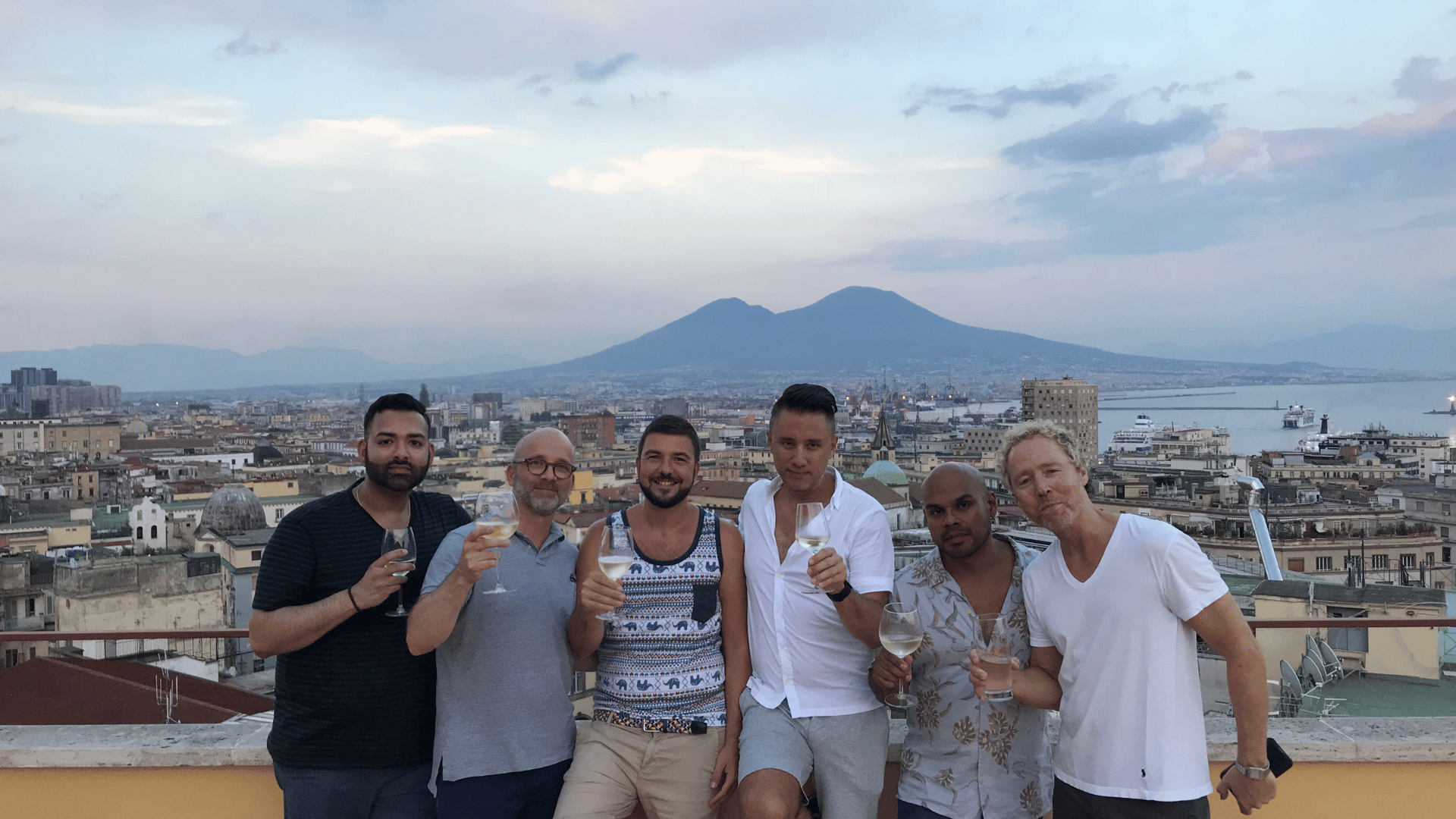
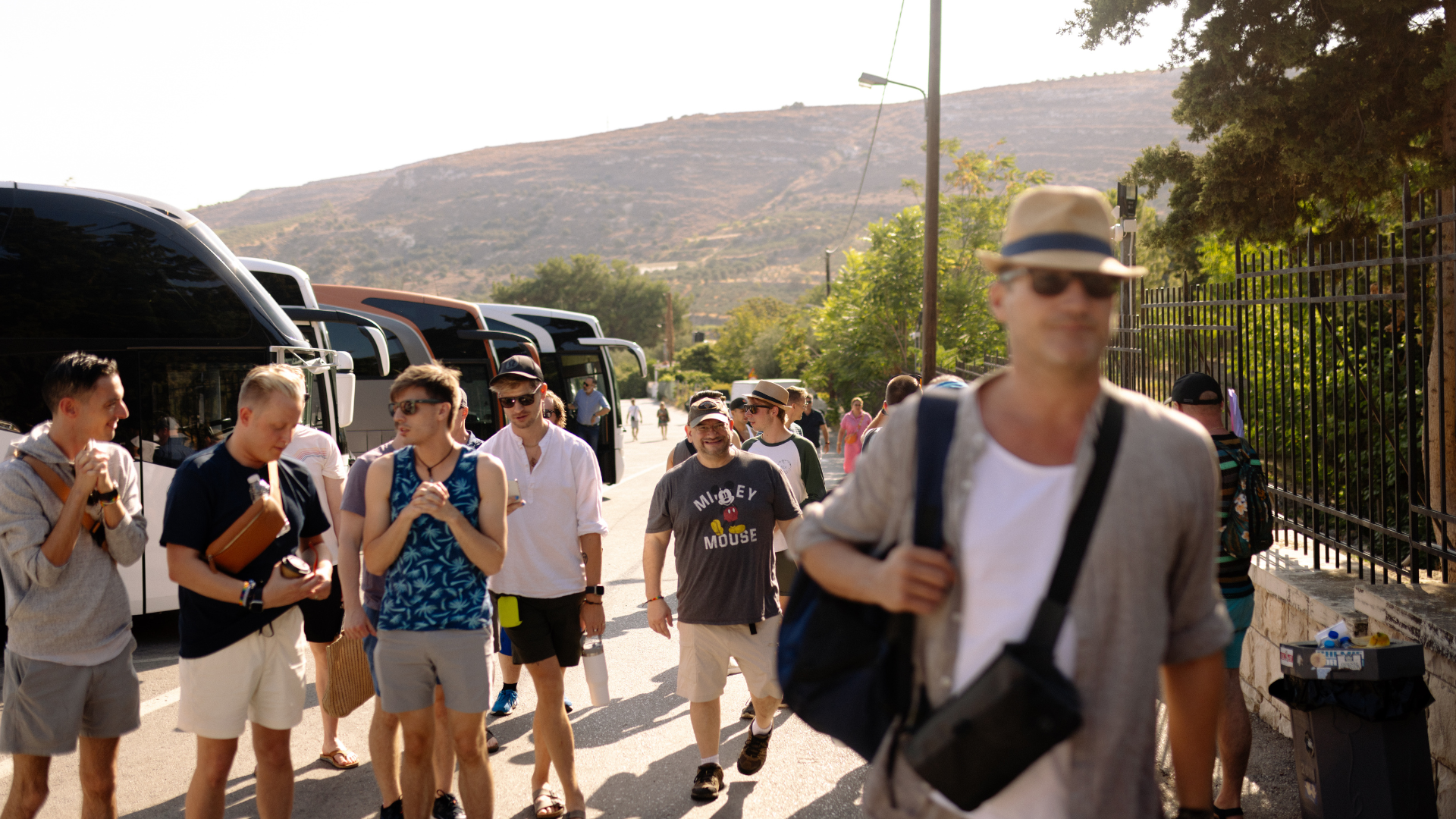

We rounded up the best gay travel companies for small-group adventures, from a reliable all-rounder to off-the-beaten-path specialists, plus the exact questions worth asking before you book any of them.