
Where to Stay in Tokyo for LGBTQ+ Travelers: Best Districts & Tips
This guide answers where to stay in Tokyo for LGBTQ+ travelers. It covers safety, the main gay district (Shinjuku Ni‑chōme), and four other welcoming neighborhoods — Shibuya, Akasaka, Ginza, and Akihabara — with hotel recommendations and practical tips for solo travelers, couples, and group trips.
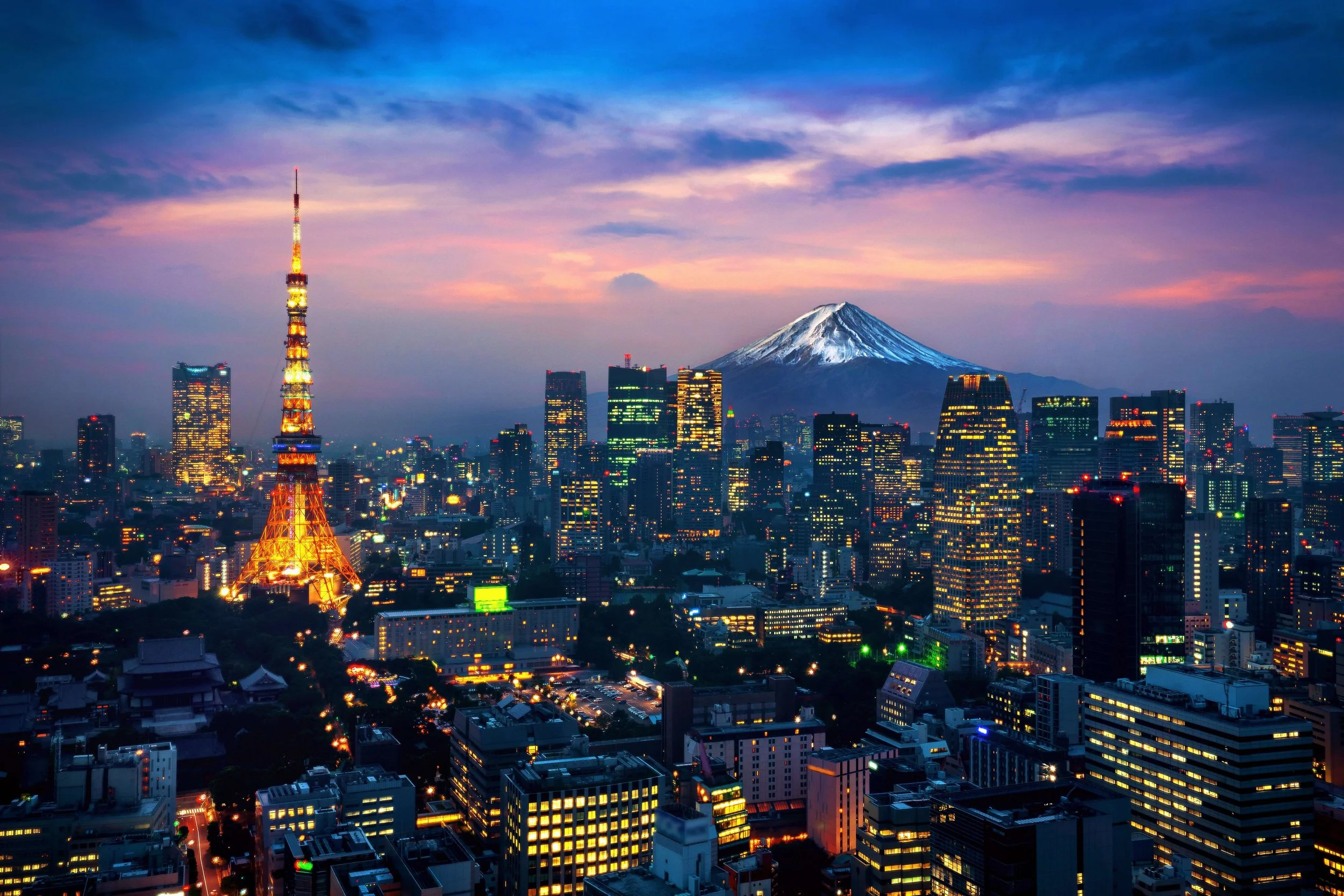
Let me tell you, wandering Tokyo for days in search of that perfect tsukemen or rainbow flag can leave you weary. Where you lay your head at the end of the day makes all the difference, especially if you're zeroing in on the gay neighborhood Tokyo visitors rave about. We've tracked down the districts that feel like home, and below we share exactly where to stay in Tokyo for LGBTQ+ travelers.
Is Tokyo Safe for LGBTQ+ Travelers?
Yes!! Tokyo is exceptionally safe for LGBTQ+ visitors. Violent crime is especially rare, harassment is uncommon, and hotels routinely accommodate all couples without any issue. Public displays of affection are generally reserved across all orientations in Japan, but in Shinjuku Ni‑chōme — Tokyo's gay district — you can feel completely at ease being fully your authentic self. A courtesy message when booking a double bed never hurts, but most Tokyo hotels are very accustomed to LGBTQ+ travelers. In Shinjuku Ni-chōme, no matter your gender or orientation, you’ll fit right in with Tokyo’s friendliest neighborhood.
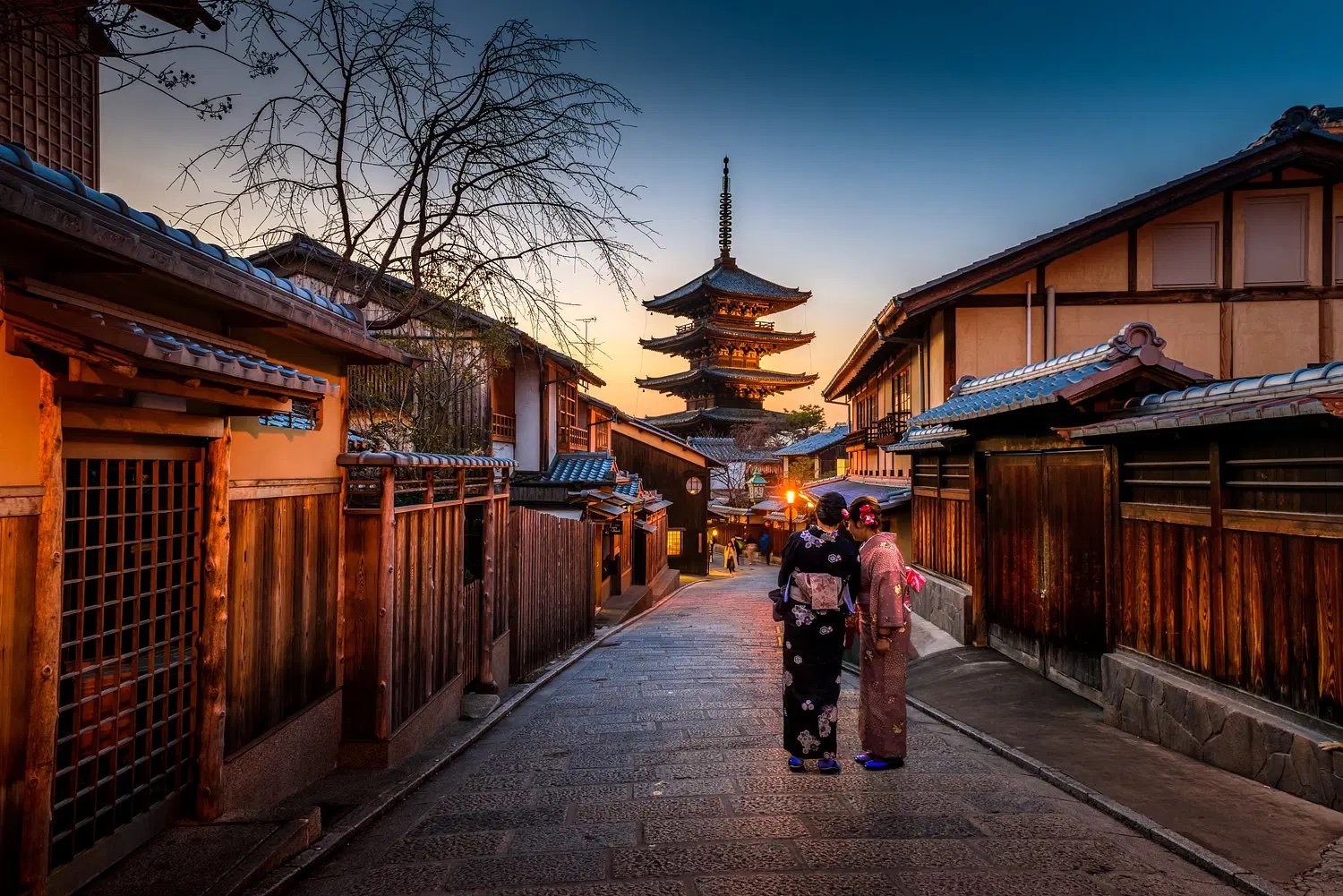
Embark on a 8-day, 7-night adventure through Japan’s most iconic sites, navigating the heart of Japan's cultural, historical, and culinary landscapes. This LGBTQ+ inclusive trip is all about self-discovery, making new lifelong friends, and coming home with incredible stories you’ll remember for years to come!
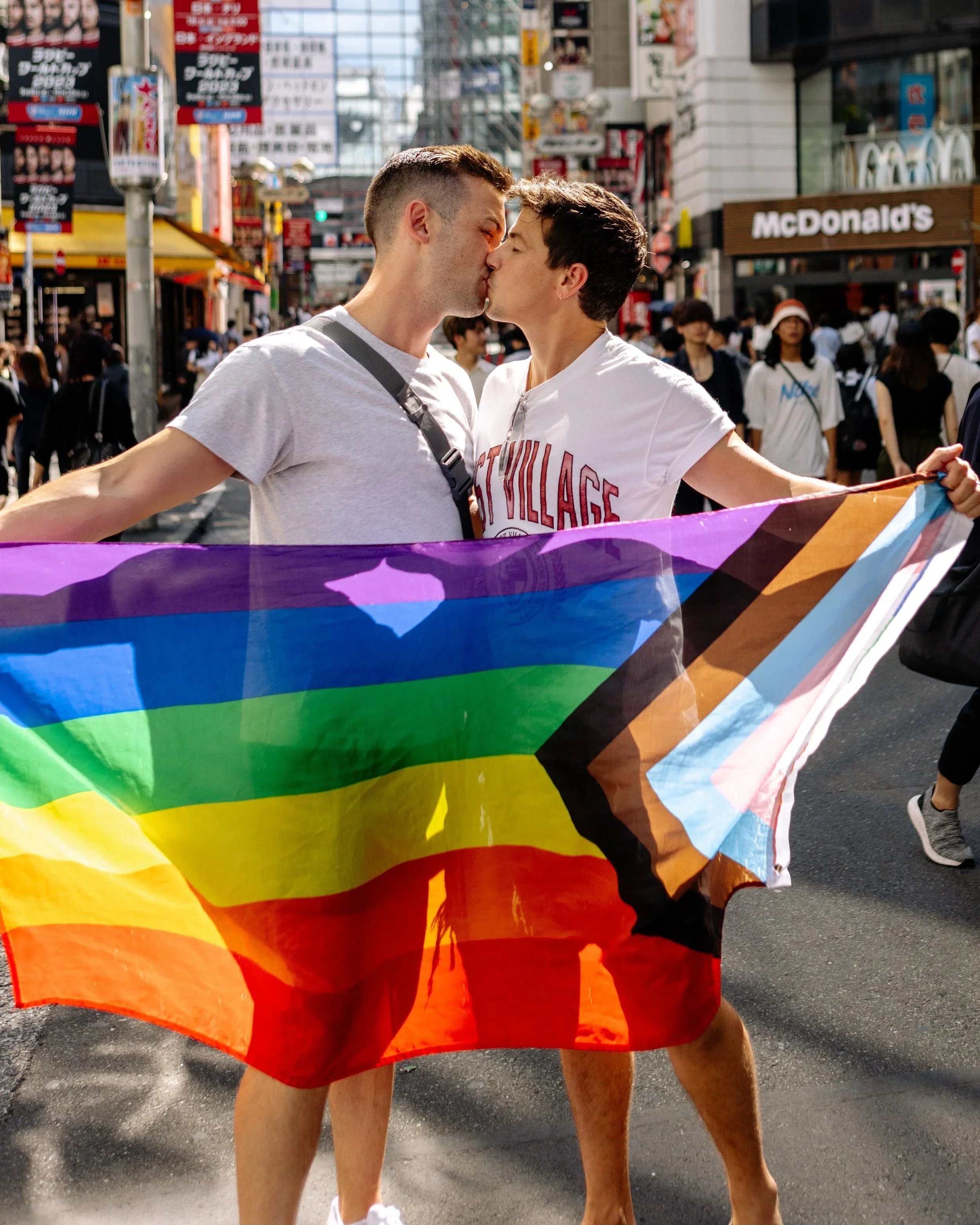
Which District Is the Gay Area in Tokyo?
Shinjuku Ni‑chōme is Tokyo's gay epicenter and one of the densest LGBTQ+ nightlife districts in East Asia. It's the neighborhood that most first‑timers mean when they ask about the "Tokyo gay district." But the city offers several other excellent bases depending on your travel style. In Tokyo, there’s something for everyone! Below we break down each district: who it suits, what to expect, and where to stay.
Looking for an amazing way to explore the best gay areas in Tokyo? We just launched our LGBTQ+ group trip to Japan — join us! Check out what gay group trips we have coming in 2027!
Shinjuku & Ni‑chōme: Tokyo's LGBTQ+ Heart
Best for: Solo travelers wanting community; anyone prioritizing nightlife above all else.
The Vibe: Over 300 LGBTQ+ bars packed into a few walkable blocks. Amongst the tiny spaces is big energy, and a genuinely welcoming community.
Shinjuku Ni‑chōme is where Tokyo's gay scene lives. By day it's unassuming, but by night it glows with rainbow lanterns and second‑floor hideaways. We made fast friends at Aiiro Cafe, loved the drag shows at Campy! Bar… and let’s just say we lost track of time at The Eagle Tokyo — things get crazier there as the night goes on. A few bars are "regulars only," but a warm smile goes a long way. With over 300 gay bars, you can certainly find a bar that fits your vibe in Shinjuku Ni-chōme. During Pride, celebrations spill into the streets and the energy is contagious.
Where to stay: Tokyu Stay Shinjuku — sleek, luxurious, and steps from the bars. Budget options abound for post‑karaoke crashing. Shinjuku Station is the busiest in the world, so all of Tokyo is at your door.
Quick Tip: Japan is best visited when seeing multiple cities, once you’ve explored Tokyo, hop on the Shinkansen and head to Kyoto or Osaka! Here are the top things to see in Osaka for first time visitors!
Shibuya: Trendy, Central, and Youthfully Open
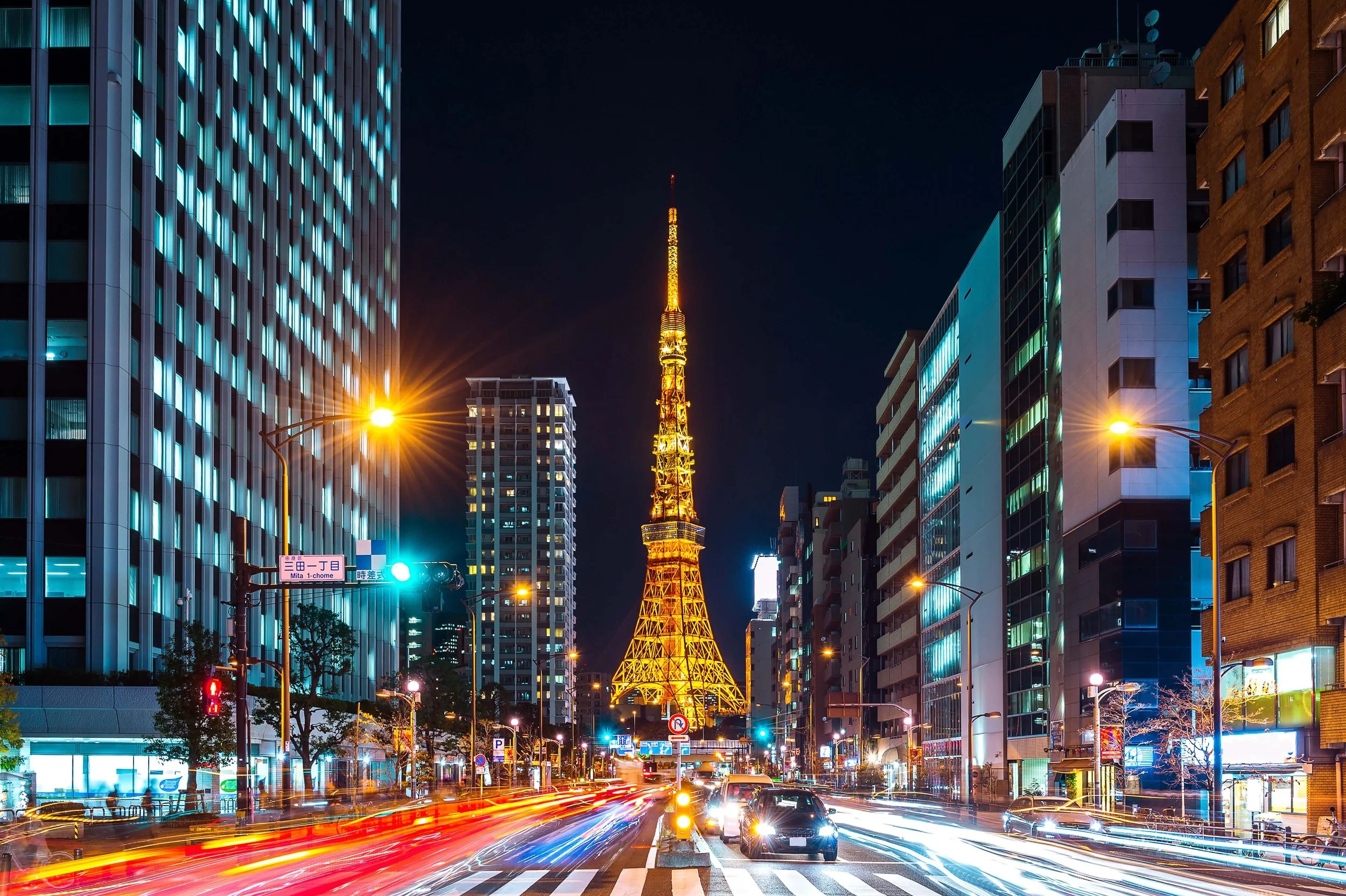
Best for: First‑time visitors who want a stylish, hip, central base; couples who love shopping and dining.
The Vibe: Fast‑paced, fashion‑forward, and very safe for LGBTQ+ travelers.
Shibuya doesn't have Ni‑chōme's concentrated scene, but its super youthful, open‑minded energy makes it a fantastic launchpad for any traveler. Everything is at your fingertips — Harajuku's vintage stores, late‑night ramen at Ichiran, and quirky animal cafés. Ni‑chōme is a quick 1 or 2-stop train ride away when you're ready for nightlife. Our favorite days started in the action of Shibuya, wandered into the quirky shops of Harajuku, then hopped the train back to Ni‑chōme for an evening of nightlife.
Where to stay: Shibuya Stream Excel — a stylish boutique hotel and one of the most popular gay‑friendly hotels Tokyo offers.
Akasaka: Quiet Luxury, Quick Connections
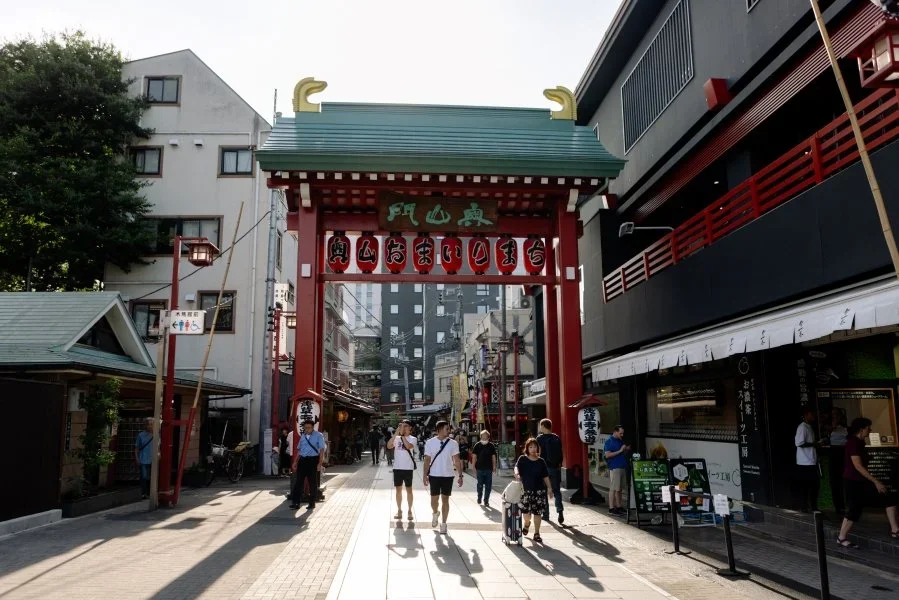
Best for: Couples seeking quiet or privacy; travelers who want a calm base close enough to still get into the action.
The Vibe: Cozy, classy, and discreet. There are gorgeous business hotels and luscious sushi joints to try.
Akasaka is ideal if you like to dip into Ni‑chōme's nightlife, but have a quiet retreat afterwards in a romantic neighborhood. Hotels here, like The Capitol Hotel Tokyu, are super accommodating and understand a double bed is a double bed… period. Three subway lines converge at your doorstep, connecting you to the Imperial Palace, Roppongi, and the rest of the city in minutes.
Ginza: Luxe, Glitz, and Gourmet Everything
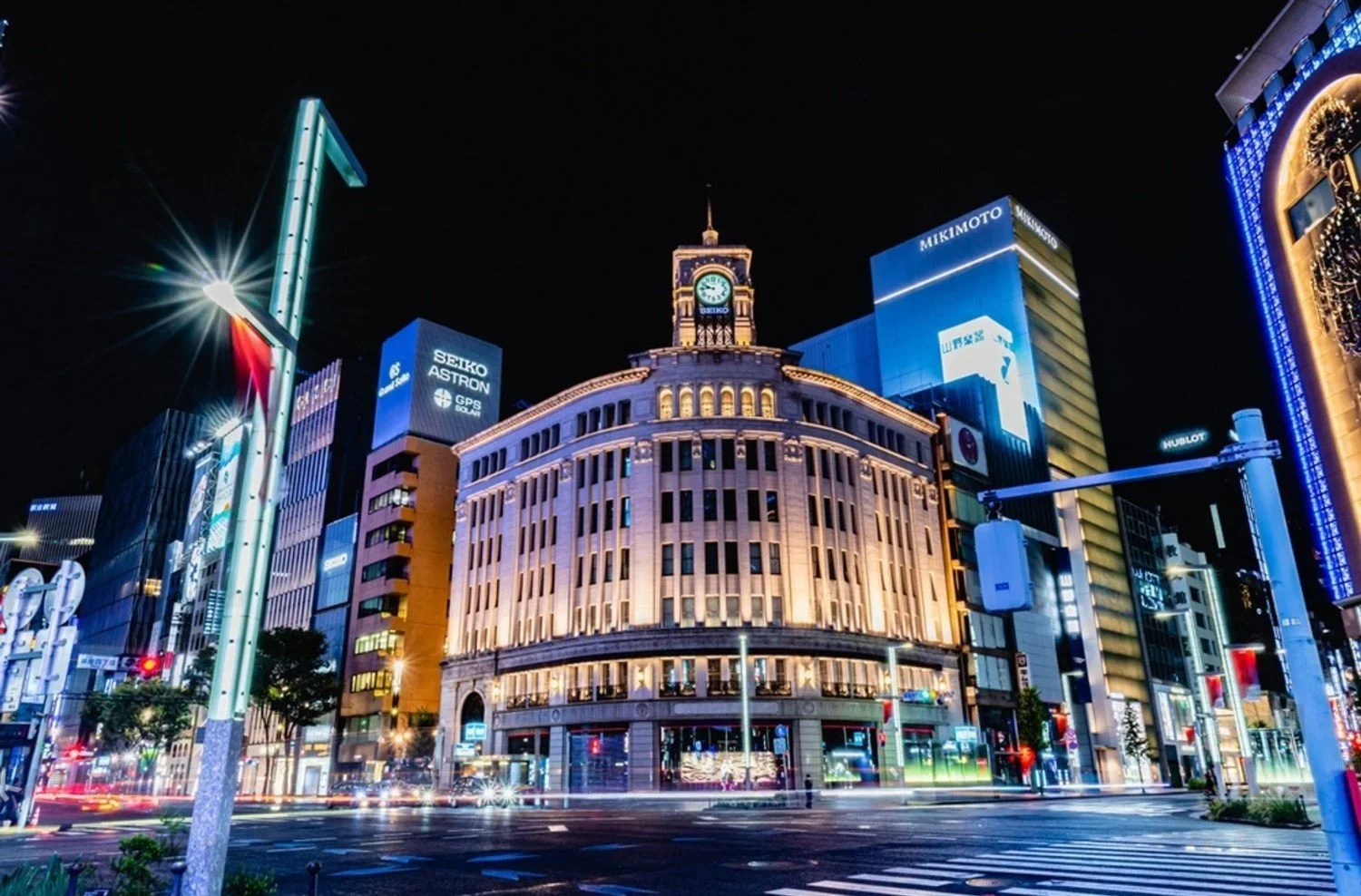
Best for: Travelers who enjoy the finer things; a sophisticated, slower‑paced stay.
The Vibe: Designer flagship stores, martinis with an epic view, and spacious sidewalks.
Ginza is less about partying through the night and more about exquisite meals and window shopping at every luxury brand imaginable. The atmosphere is mature and the pace is a little slower, though you can still zip to Ni‑chōme quickly. Capsule hotels here are a super interesting experience you won’t foget; but for luxury, the five‑star properties deliver service that's hard to beat anywhere else in Tokyo.
Akihabara: Anime, Arcades, and Queer Geeky Joy
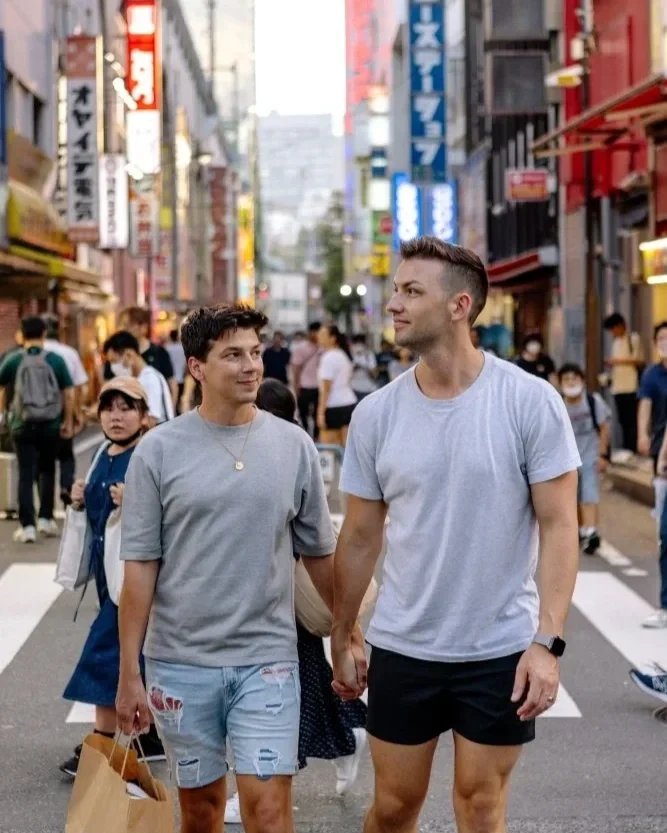
Best for: Pop‑culture fans, gamers (and gaymers), and anyone who loves quirky, themed cafés.
The Vibe: Electric, playful, neon, anime-forward, and surprisingly queer‑friendly.
We honestly lost an entire afternoon lost between the floors of retro video games and manga treasures. Local cafés like Hello Kitty, cat cafés, and cosplay spots are all totally welcoming. Hidden among the electronics you'll find themed events and DJ sets that draw a queer crowd. The arcades are legendary. When you're ready for a bigger scene, Ni‑chōme is just a quick train ride away.
Where Should First‑Time LGBTQ+ Visitors Stay?
For nightlife and community: Shinjuku, near Ni‑chōme — hundreds of bars, clubs, and a sense of belonging from the moment you arrive.
For a stylish, central launchpad: Shibuya — shopping, dining, and a short train to the gay district.
For quiet luxury and romance: Akasaka or Ginza — calm, high‑end hotels, and excellent transit.
For geek culture and quirky fun: Akihabara — a one‑of‑a‑kind stay you won't forget.
We just launched our LGBTQ+ group trip to Japan for April 2027, and these are the neighborhoods we'll build our itinerary around. Interested? Get in touch and you'll be the first to know.
Planning South America instead? Our full gay Peru travel guide covers Lima to Machu Picchu. Or check out our Colombia guide from Medellín to Cartagena.
SideQuests Essentials: Before You Go
Japan is one of the most welcoming destinations we take groups to — and also one of the most misunderstood from a legal and cultural standpoint. Here's what you actually need to know before you land.
The Legal Reality:
Same-sex relationships are not criminalized in Japan, and LGBTQ+ travelers face no legal risk simply for being who they are. That said, Japan does not recognize same-sex marriage at the national level, making it the only G7 country without full marriage equality... But the picture is shifting fast: five high courts have now declared the marriage ban unconstitutional, partnership certificate systems cover over 90% of the population, and in March 2026, the Supreme Court announced it will take up the question directly, with a ruling expected in early 2027. But for travelers, none of this changes your day-to-day experience. You are safe, welcomed, and free to be yourself.
Reading the Room: Cultural Norms
Japan is a culture of discretion across the board — PDA is understated for everyone, not just LGBTQ+ couples. In Shinjuku Ni‑chōme, holding hands and being visibly queer is completely normal. Elsewhere in the city, the same reserved approach that locals apply to all relationships is worth keeping in mind — not out of fear, but out of cultural awareness. Think of it less as hiding and more as matching the energy of the room.
Booking a Room
Most hotels in Tokyo are entirely accustomed to LGBTQ+ guests and same-sex couples. A quick note at booking — something as simple as "we'll be sharing one bed" — can occasionally help avoid any awkward front-desk moments, though it's rarely necessary. In our experience, Tokyo's hotels are among the most professionally seamless in the world when it comes to welcoming all guests.
If You Need Help
Japan's emergency number is 110 (police) and 119 (fire/ambulance). English-speaking operators are available. For LGBTQ+-specific support, TELL Lifeline (+81-3-5774-0992) is a Tokyo-based English-language mental health and crisis support line. The U.S. Embassy in Tokyo is located in Minato: +81-3-3224-5000.
Apps Worth Having
Download Google Translate before you go and enable the camera/photo translation feature — it's a game-changer for menus and signage in kanji. Suica (or Pasmo) loaded onto your iPhone or Android wallet handles almost all transit seamlessly. Grindr and Scruff both have strong user bases in Tokyo and are genuinely useful for connecting with locals and finding out what's on — especially for bars and events that don't have much of an online presence. For women and non-binary travelers, HER and Lex are worth downloading before you arrive as well.
Frequently Asked Questions
-
Not in Ni‑chōme. Most bars are foreigner‑friendly, and language barriers disappear with a smile and a drink.
-
Shinjuku, near Ni‑chōme — walking distance to hundreds of bars and clubs.
-
It can be, but budget hotels, affordable ramen, and smart transit use keep costs manageable.
-
In Ni‑chōme, yes — it's completely normal. Elsewhere, discretion is culturally appreciated regardless of orientation.
-
Yes. Hotels routinely welcome all couples, and most are very used to LGBTQ+ travelers.