
Is Morocco Safe for Gay Travelers? Our Honest Guide to Marrakech & the Sahara
A friend who'd done the overland route gave us the same warning everyone gives about Morocco. It's fine, just keep it low-key. Which doesn't actually tell you anything... and when the advice is that vague, most people cross the country off the list instead of finding out whether Morocco is safe for gay travelers or not.
So before we locked Morocco in as a SideQuests destination, we went looking for real answers instead of hostel-bar rumors. We read the actual statute, pulled the prosecution numbers, and talked to the riad owners and desert guides who host international travelers here year-round.
Here's the honest version. Morocco is not an LGBTQ+ friendly country the way Lisbon or Amsterdam is, and we won't pretend otherwise. Same-sex relationships are illegal here, the law is real, and it does get enforced. What that means for a visiting traveler is a very different question from what it means for a Moroccan citizen, and that gap is most of what this guide is about.
AI Summary
This guide covers whether Morocco is safe for gay travelers, with a focus on Marrakech, the Dadès Valley, the Sahara near Merzouga, and Ait Ben Haddou. You'll find what Article 489 actually says, how enforcement plays out for tourists versus Moroccan citizens, what discretion looks like day to day in hotels and in public, and the four stops worth building a first-time itinerary around, with notes for solo travelers, couples, and groups. covers whether Vietnam is LGBTQ+ friendly, with a focus on Hanoi and Ha Long Bay. You'll find the legal landscape, where to find Hanoi's gay bars, what day-to-day safety looks like while traveling in Vietnam, and what to expect on a Ha Long Bay cruise, with notes for solo travelers, couples, and groups.
Is Morocco Safe for Gay Travelers?
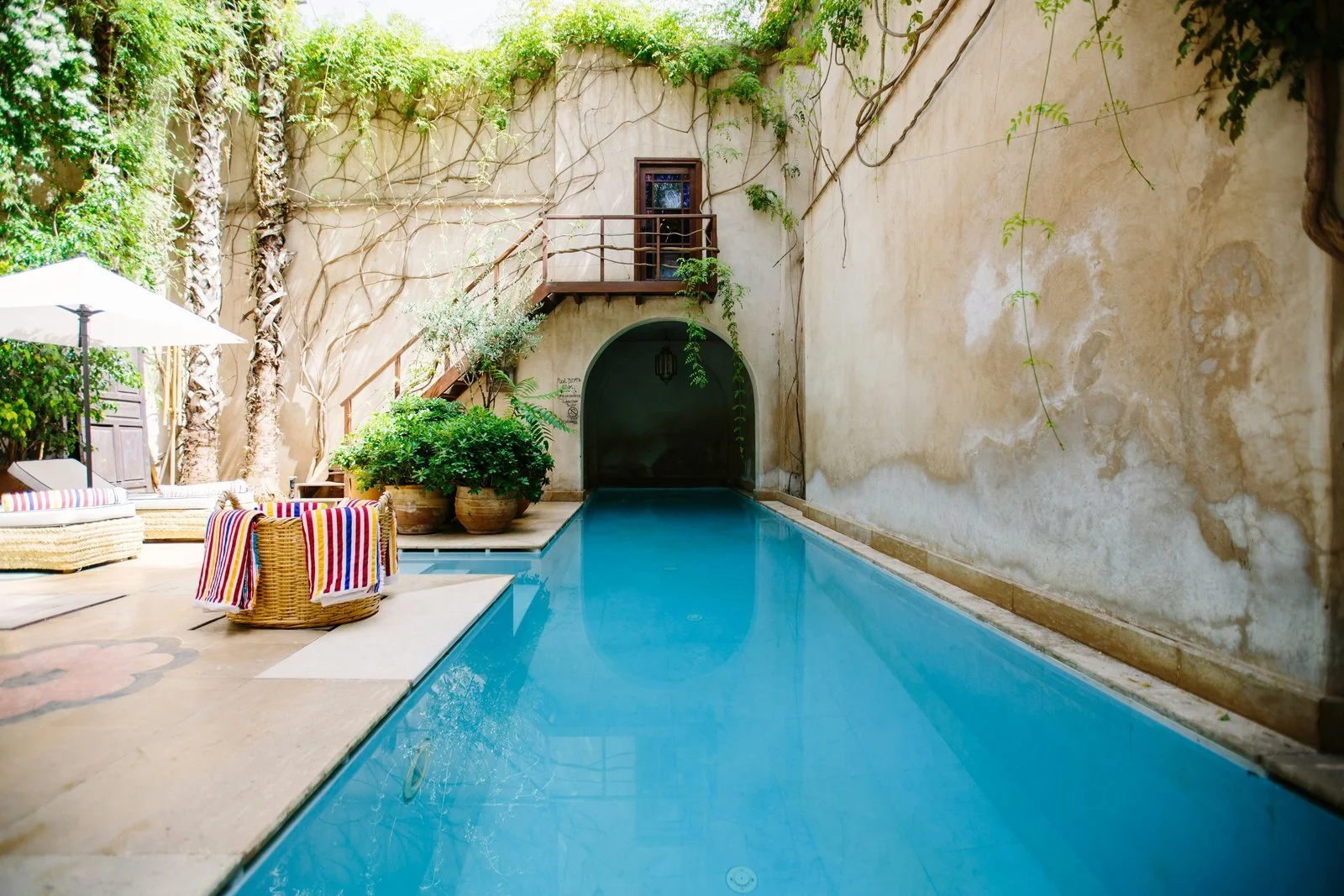
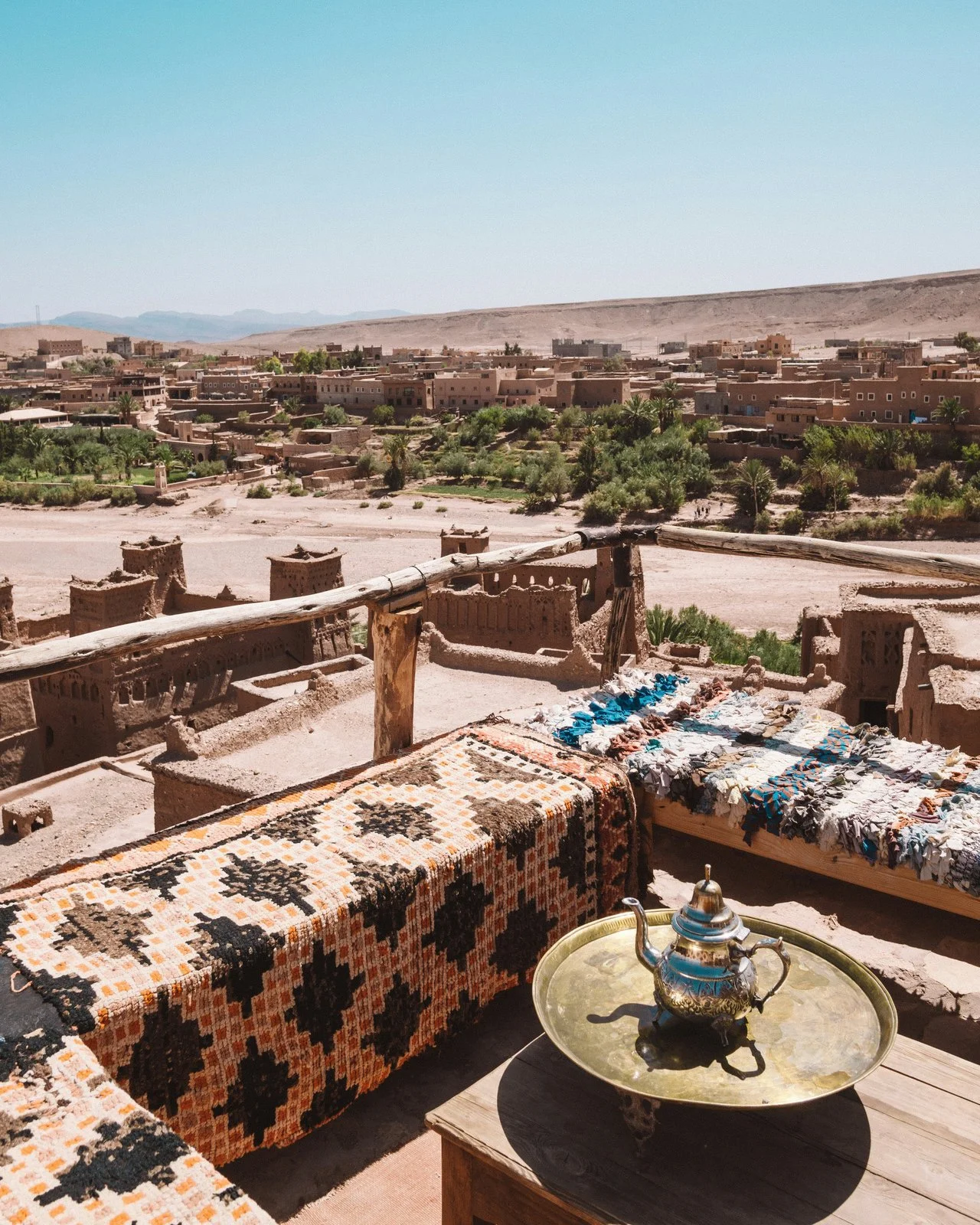
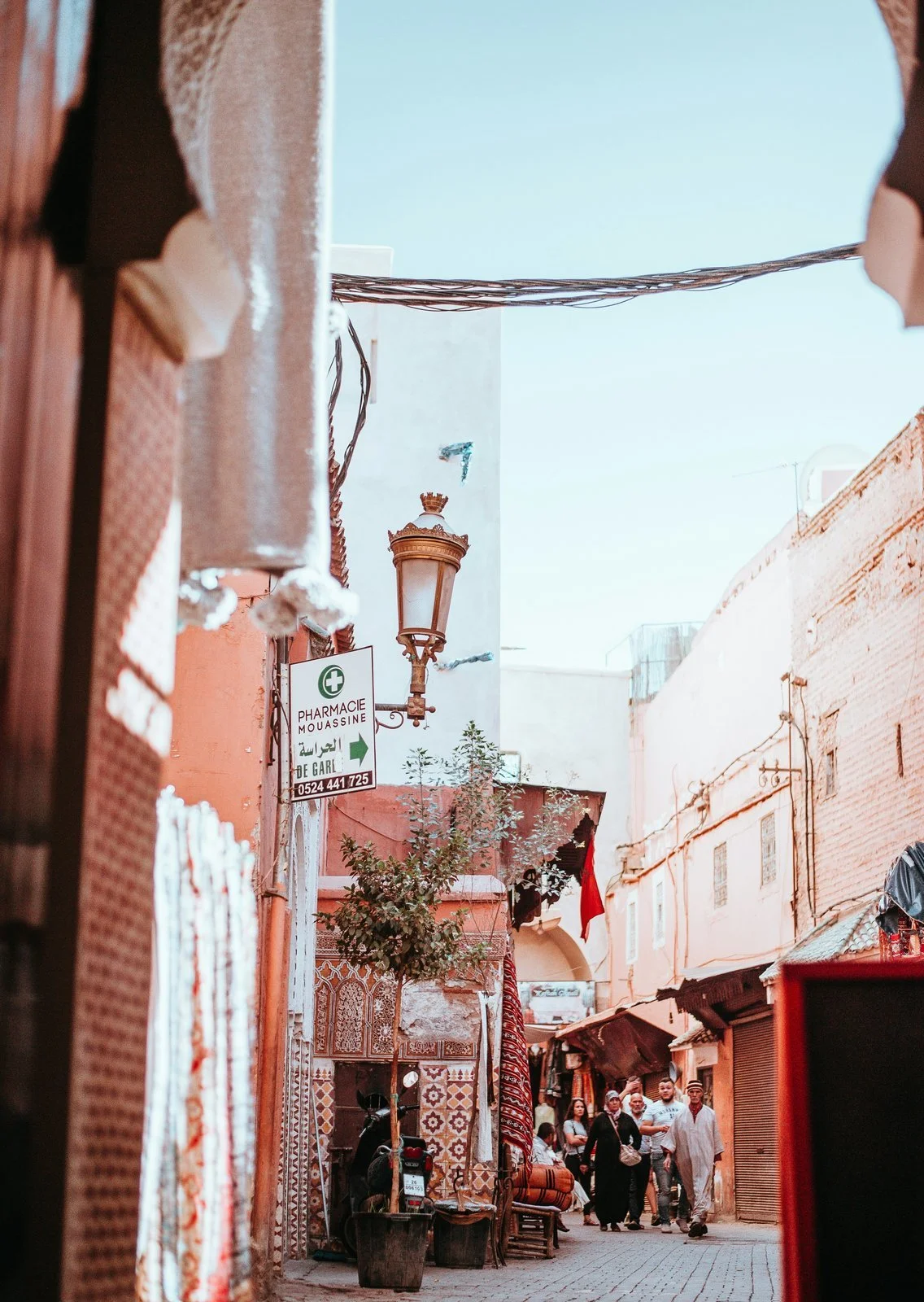
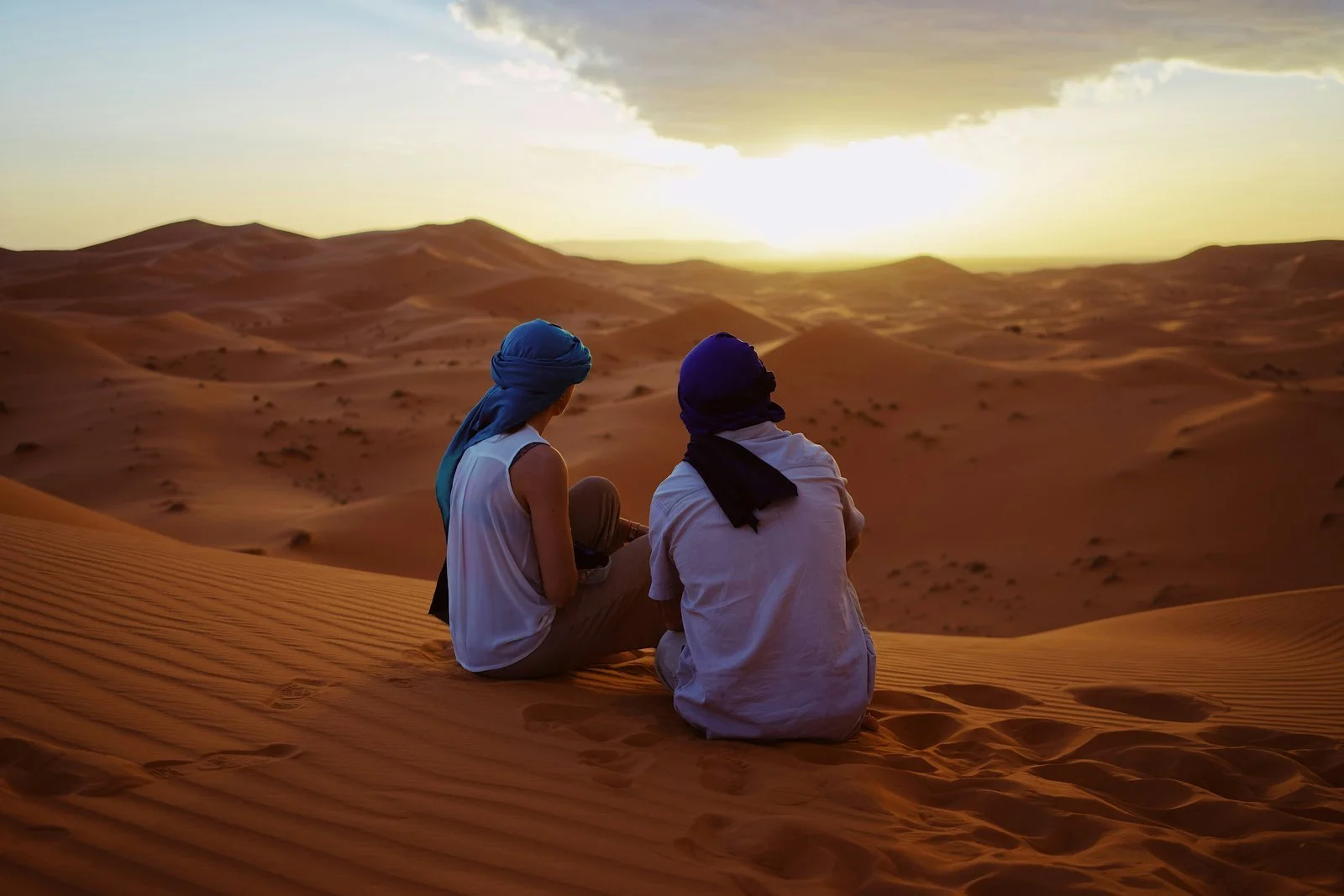
Morocco is generally safe for gay travelers in practice, but it is not safe on paper, and both halves of that sentence matter. Same-sex relations are criminalized under Article 489 of the Moroccan penal code, which carries six months to three years in prison plus a fine of 120 to 1,000 dirhams. The law applies to visitors, not only to citizens.
Enforcement is the part most travel guides skip. It's real and it's active... Moroccan authorities prosecuted 441 people under the article in the first half of 2023 alone, according to U.S. State Department reporting compiled by the Human Dignity Trust. Those cases overwhelmingly involve Moroccan citizens, and they typically start with a phone search, a domestic dispute, or a complaint from a neighbor.
Prosecutions of foreign tourists are rare. Thousands of LGBTQ+ travelers pass through Morocco every year without incident, and the situations that generate cases locally are ones most visitors never come near.
There's a second statute worth knowing about. Article 490 criminalizes sex between any unmarried people, gay or straight. It's almost never enforced against foreign visitors, and hotels that cater to international travelers don't ask. It's useful context, though, because it tells you the law here isn't aimed specifically at you... Morocco polices private life broadly.
If you want the same read on somewhere further along, our guide to whether Colombia is safe for LGBTQ+ travelers and our honest take on Vietnam follow the same format.
Is Marrakech Gay-Friendly?
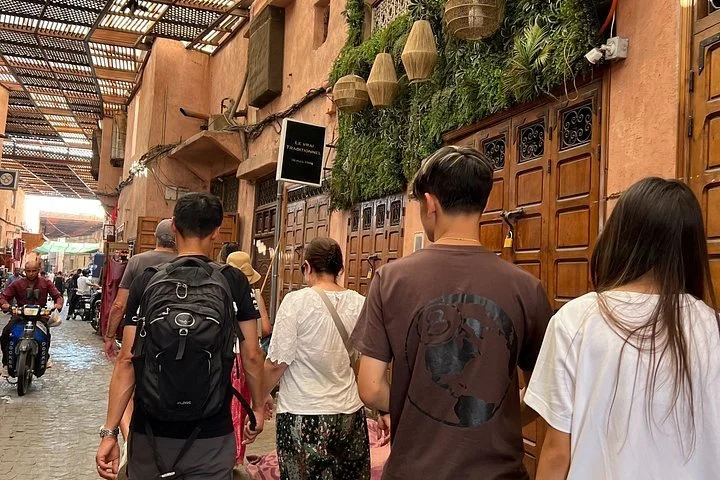
Marrakech is the most comfortable city in Morocco for LGBTQ+ travelers, though calling it gay-friendly oversells it. Decades of international tourism and a long bohemian history have produced a city that's used to visitors and largely incurious about them. Nobody at a riad in the medina is going to blink at two men checking into one room.
What Marrakech doesn't have is anything resembling a scene. No advertised gay bars, no clubs, no Pride. Connection here happens privately, through apps, through friends of friends, or inside groups that arrive together.
The rest of the route is quieter still. The Dadès Valley, the camps near Merzouga, and Ait Ben Haddou are small communities and working villages where everyone notices everyone. Nobody there was hostile to the travelers we spoke with, they're simply less used to tourists than Marrakech is, which calls for a little more of the read-the-room instinct that gets you through a lot of travel.
What Discretion Actually Looks Like Day to Day
In practice, discretion in Morocco means no public affection and no volunteering your relationship to strangers. That's about it. It's less a performance than a setting you adjust, and it applies to straight couples here too... Moroccan public culture keeps romance private across the board.
Hotels and riads are a non-issue. Booking a double for two men or two women is routine anywhere that hosts international guests, and nobody asks a follow-up question. On our route we vet every riad directly, and the desert camp night is the same setup for everyone in the group.
The hammam is worth flagging, because it catches people off guard. Traditional hammam sessions run gender-separated, with a mixed pool area afterward, and there's partial nudity involved. It's a wonderful experience, and it's also a space where trans and nonbinary travelers deserve the heads-up in advance rather than at the changing room door.
Where people actually run into trouble is at the edges. Hookup apps, where location data isn't private and entrapment has been documented. Arguments that escalate in public. Handing your unlocked phone to someone you just met. None of that is unique to Morocco, but the stakes are higher here than they would be at home, and traveling with a group takes most of it off the table.
Not sure you want to figure this out alone? If you'd rather not be the one googling "can we share a room in Marrakech" at 11pm the week before your flight, that's exactly what our Morocco trip's WhatsApp chat is for. You're in it with your host and the rest of the group months before departure, alongside monthly group Zoom calls, so questions like this get answered by people who have actually been there. Join the email list and we'll send you the next guide like this one before you book anything.
What Are the Best Places to Visit in Morocco?
For a first trip, four stops cover the essentials: Marrakech, the Dadès Valley, the Sahara near Merzouga, and the fortified village of Ait Ben Haddou. Most people loop through all four across a week to ten days, which is enough time to actually be in each place instead of spending half the trip in a van. Conveniently, that's the exact route we run.
Marrakech: Morocco's Loud, Beautiful Entry Point
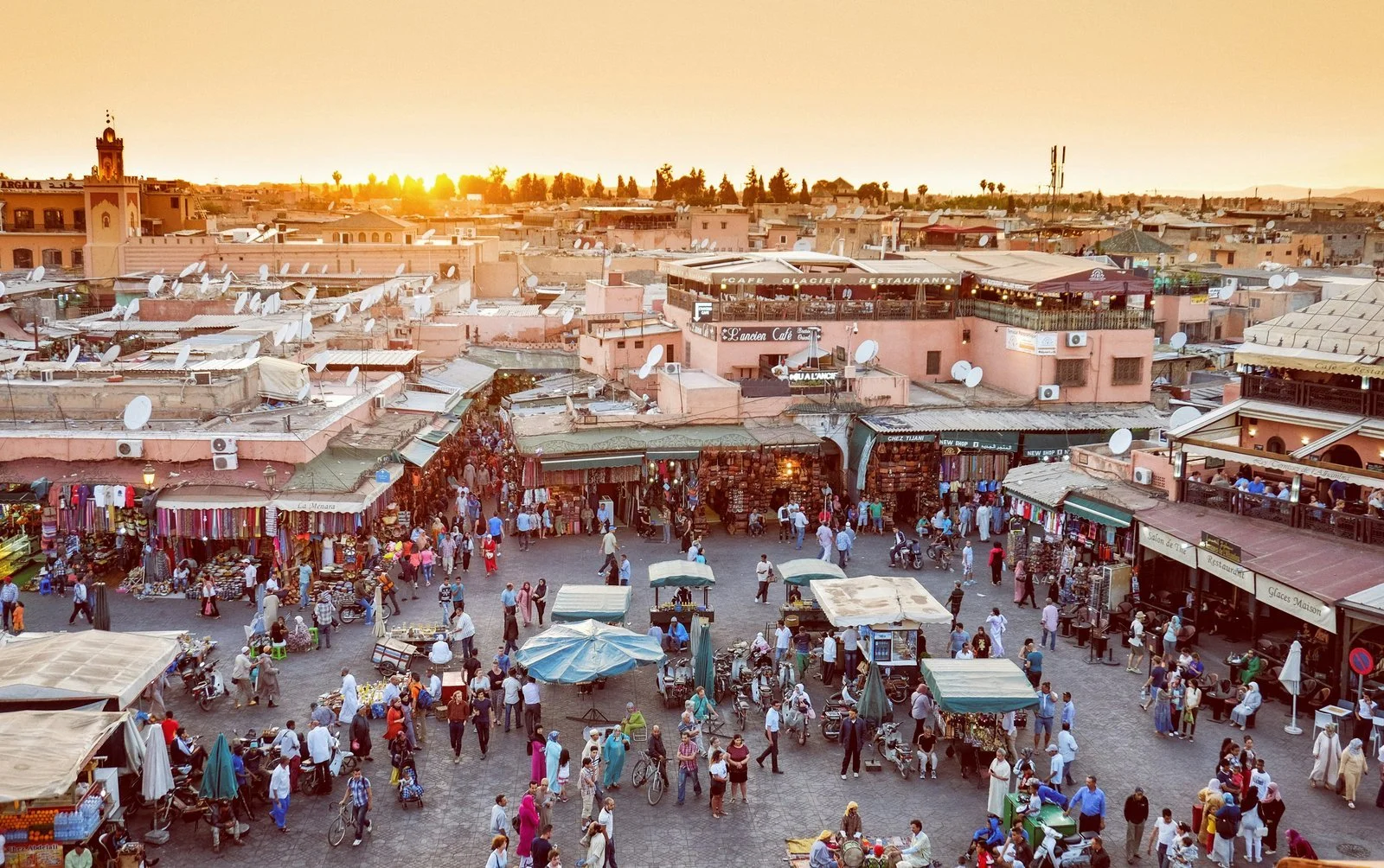
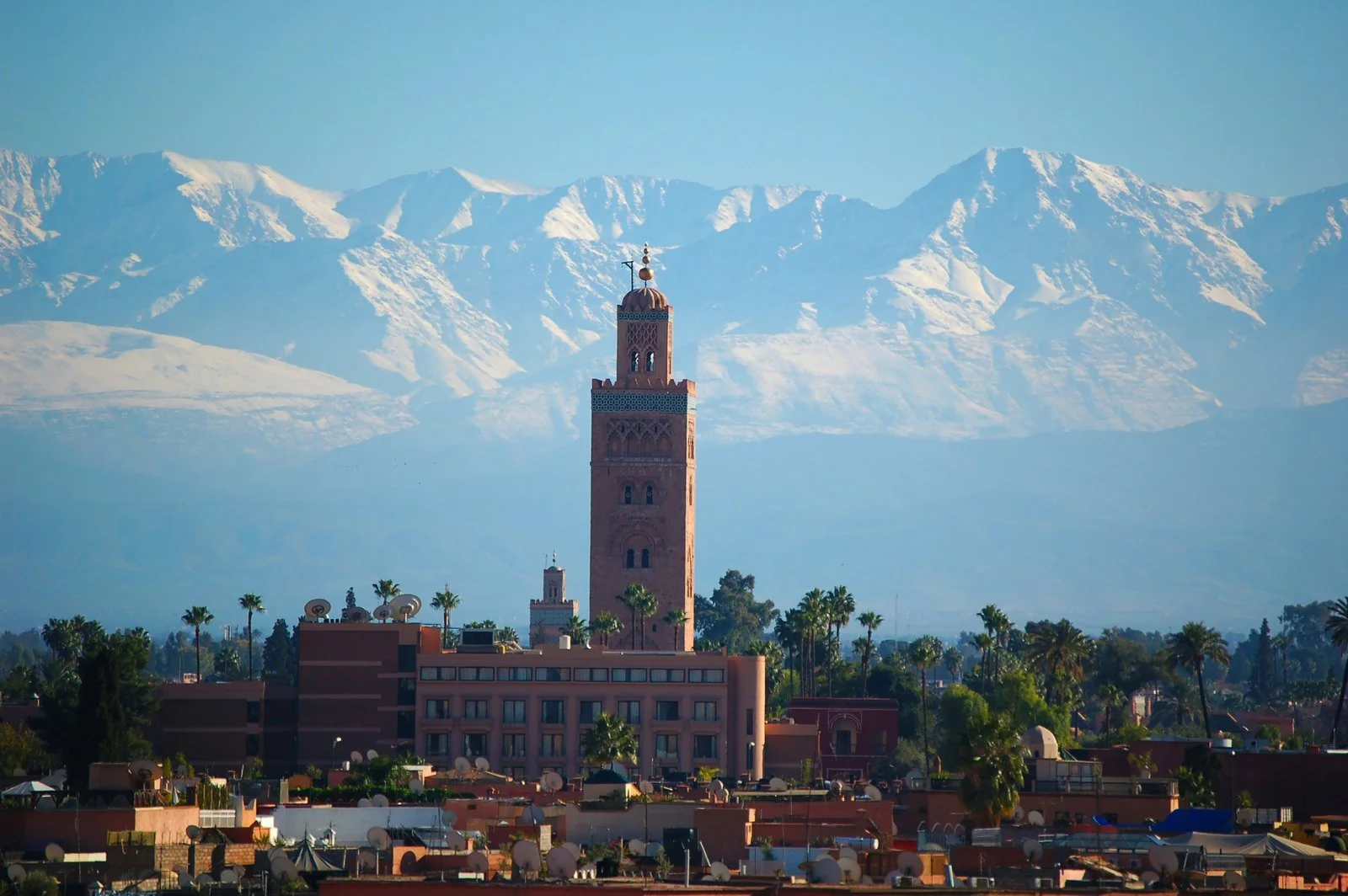
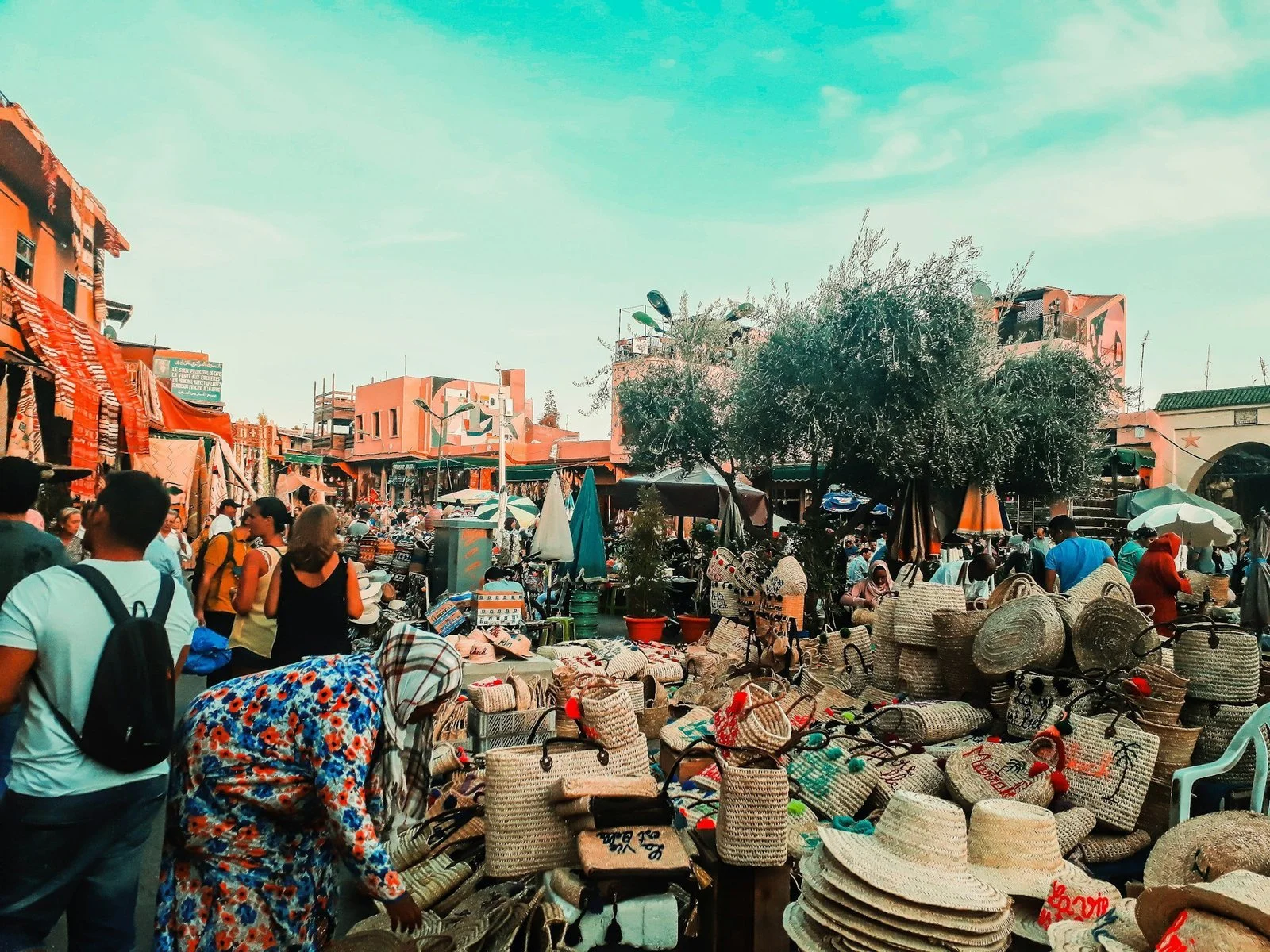
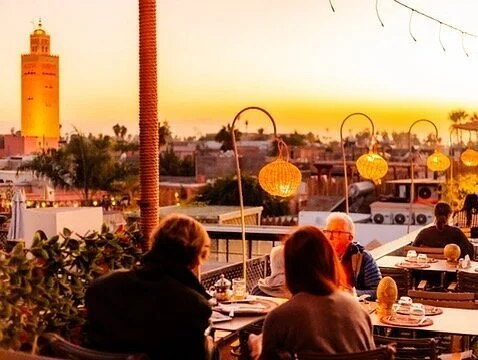
Give Marrakech at least two full days, one for palaces and gardens and one for the souks and the square after dark. It's the natural bookend for almost every Morocco itinerary, ours included, and it's where the sensory overload hits hardest: Jemaa el-Fnaa, the winding souks, the call to prayer drifting over rooftop cafés.
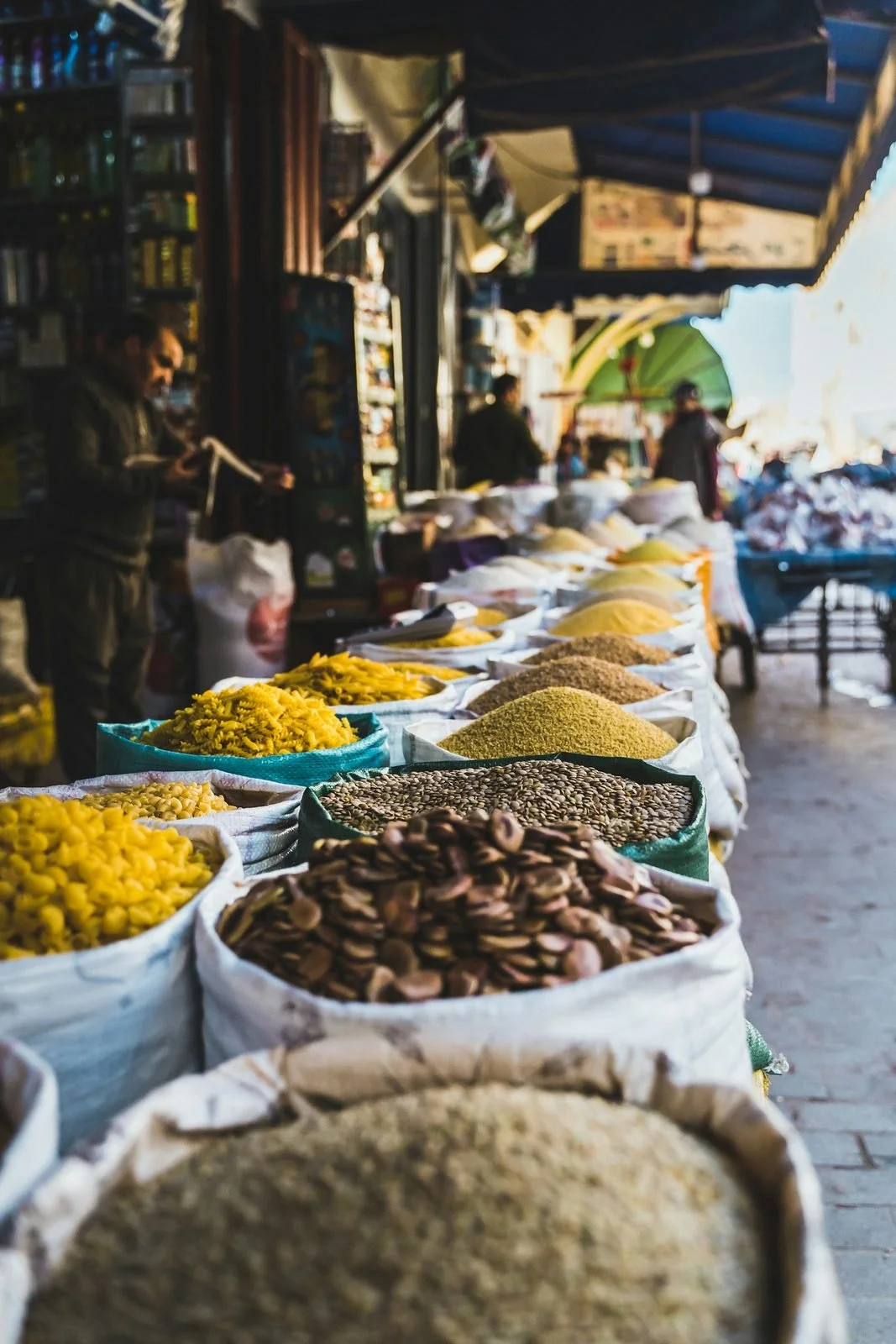
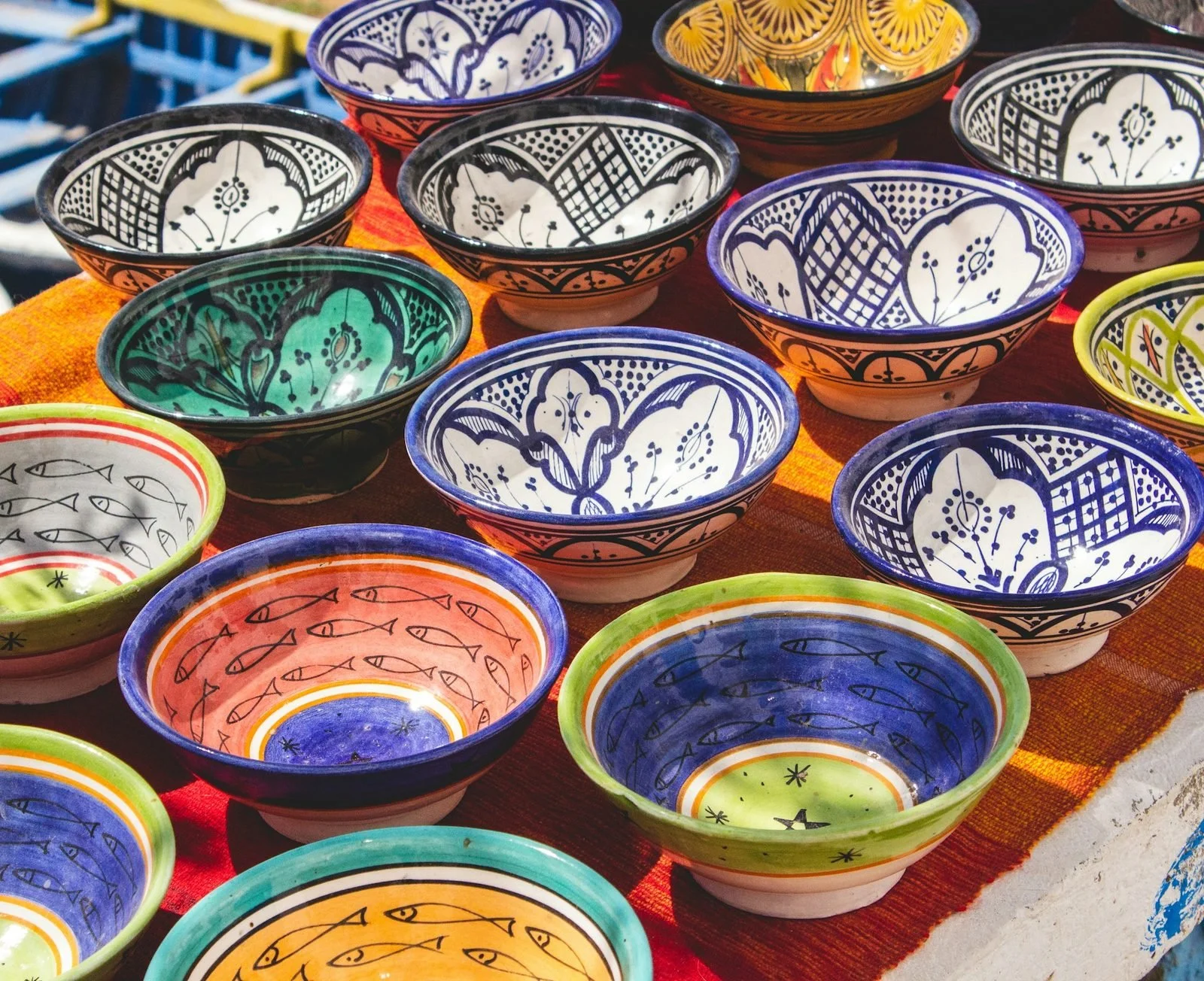
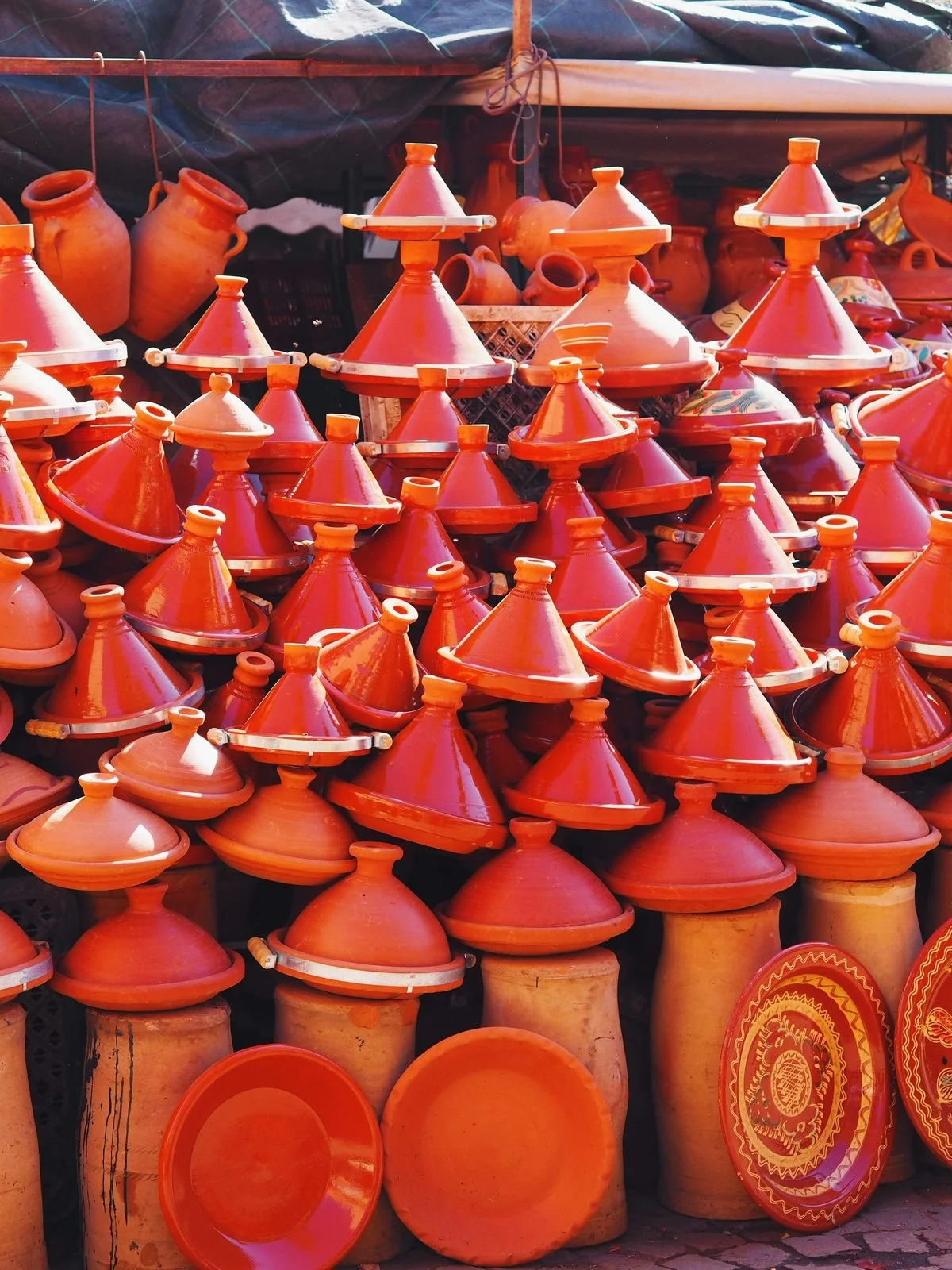
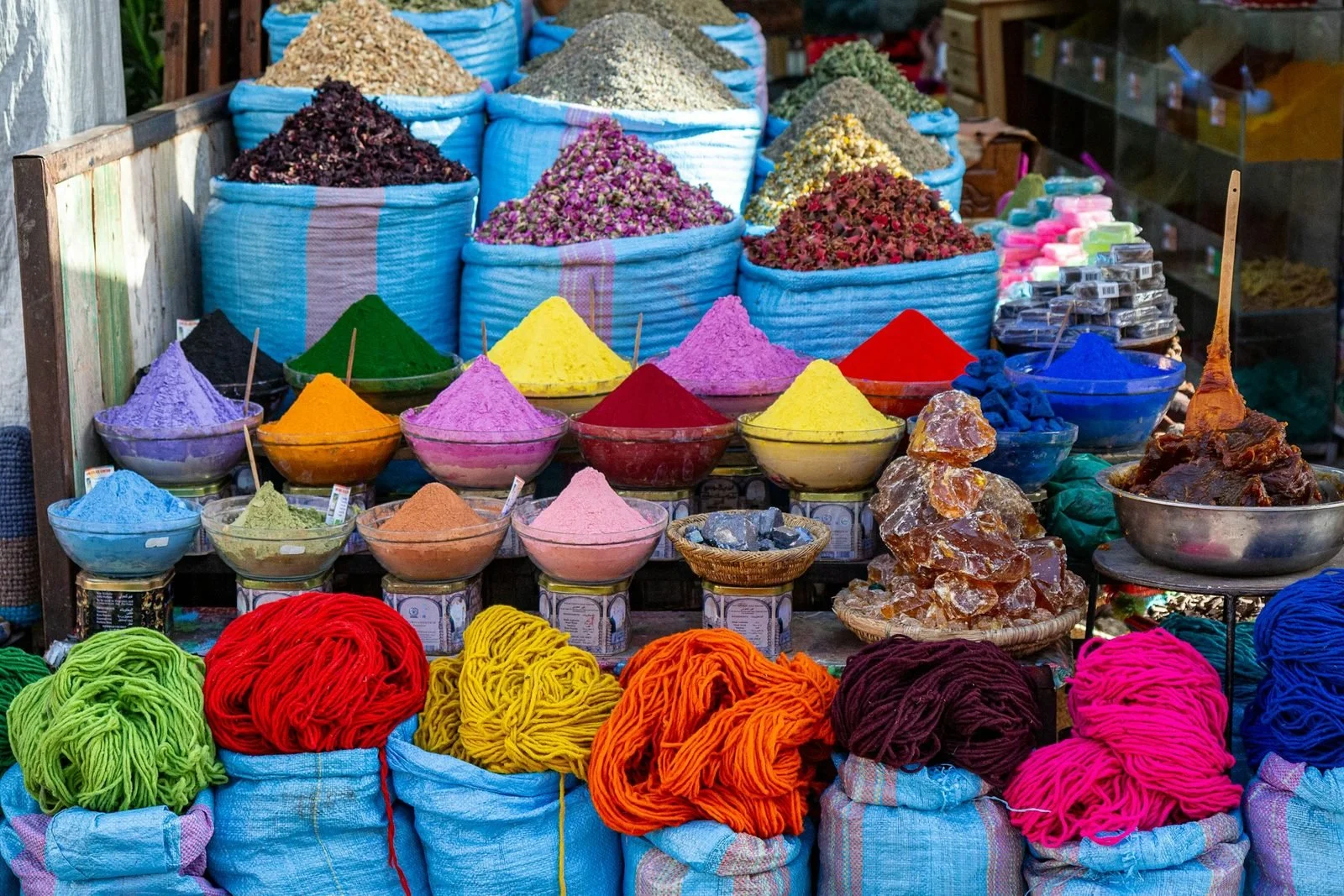
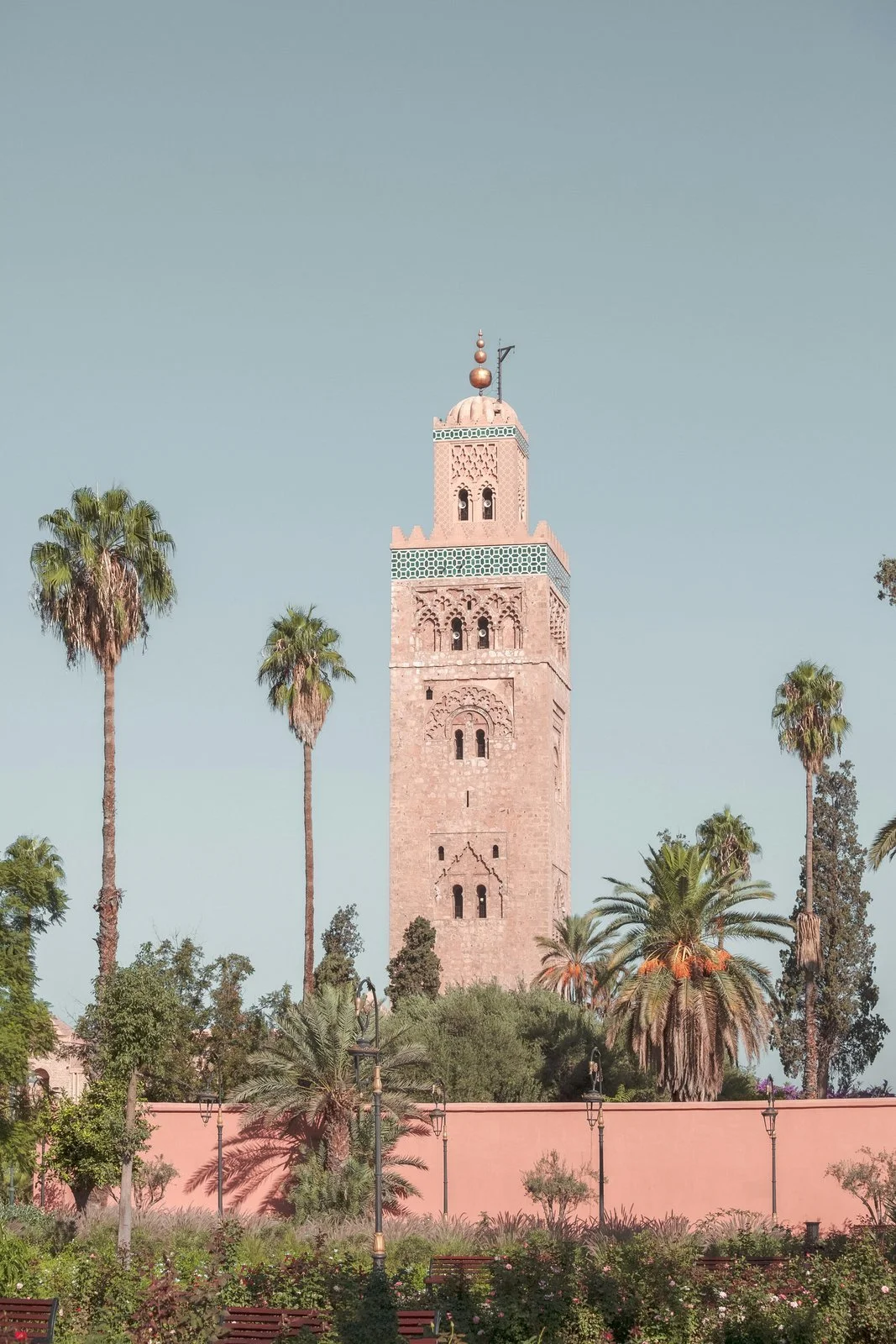
The Majorelle Garden is the counterweight to all that noise, 2.5 acres of botanical quiet wrapped around a cobalt-blue villa. Add Bahia Palace, the first building in North Africa to use stained glass, and the Koutoubia Mosque with its 230-foot minaret. Then get lost in the souks on purpose, where haggling is basically a spectator sport.
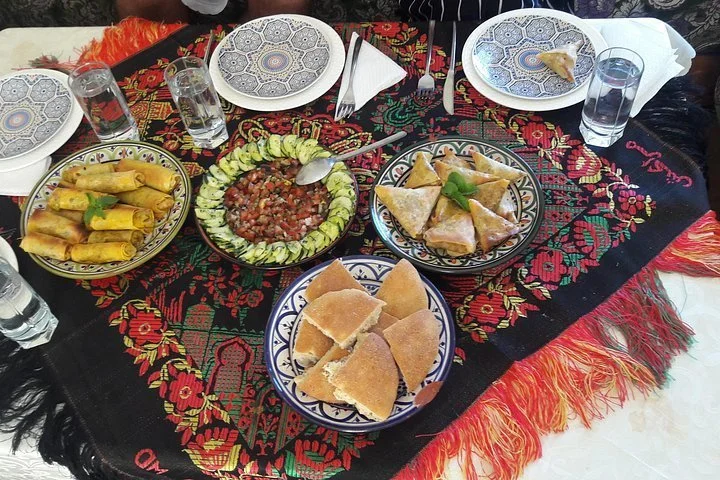
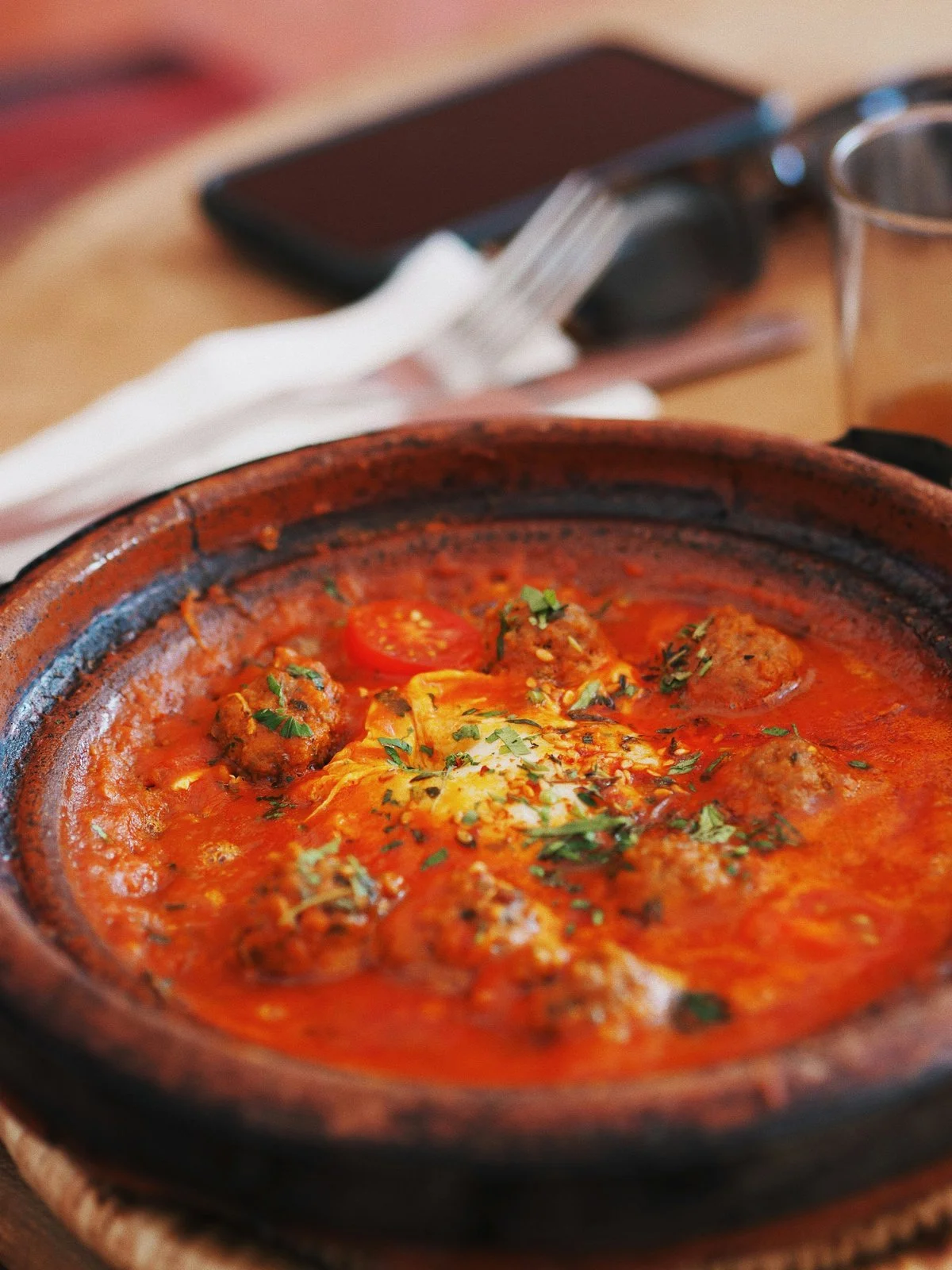
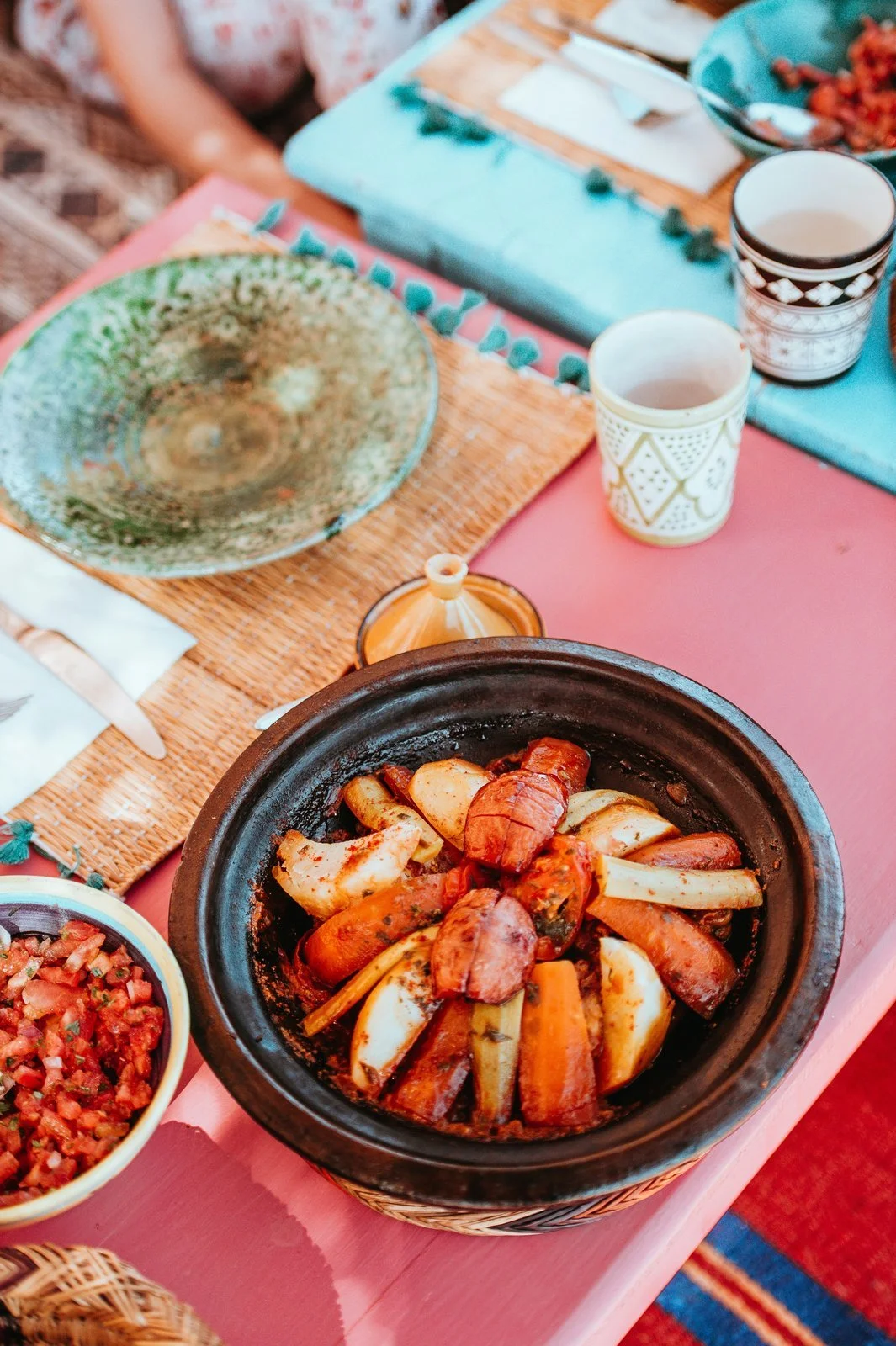
Food deserves its own line. We build in a hands-on class at the Moroccan Culinary Arts Museum, an 18th-century palace in the medina, where a dada (a traditional Moroccan cook) walks you through building a tagine from raw spices instead of just eating one someone else made. It's the thing people bring up most once they're home.
Jemaa el-Fnaa turns into something else entirely after dark. Food stalls, storytellers, and musicians replace the daytime crowd, and most first-timers say the evening version is the one that stays with them.
The Dadès Valley: Gorges, Canyons, and Mint Tea
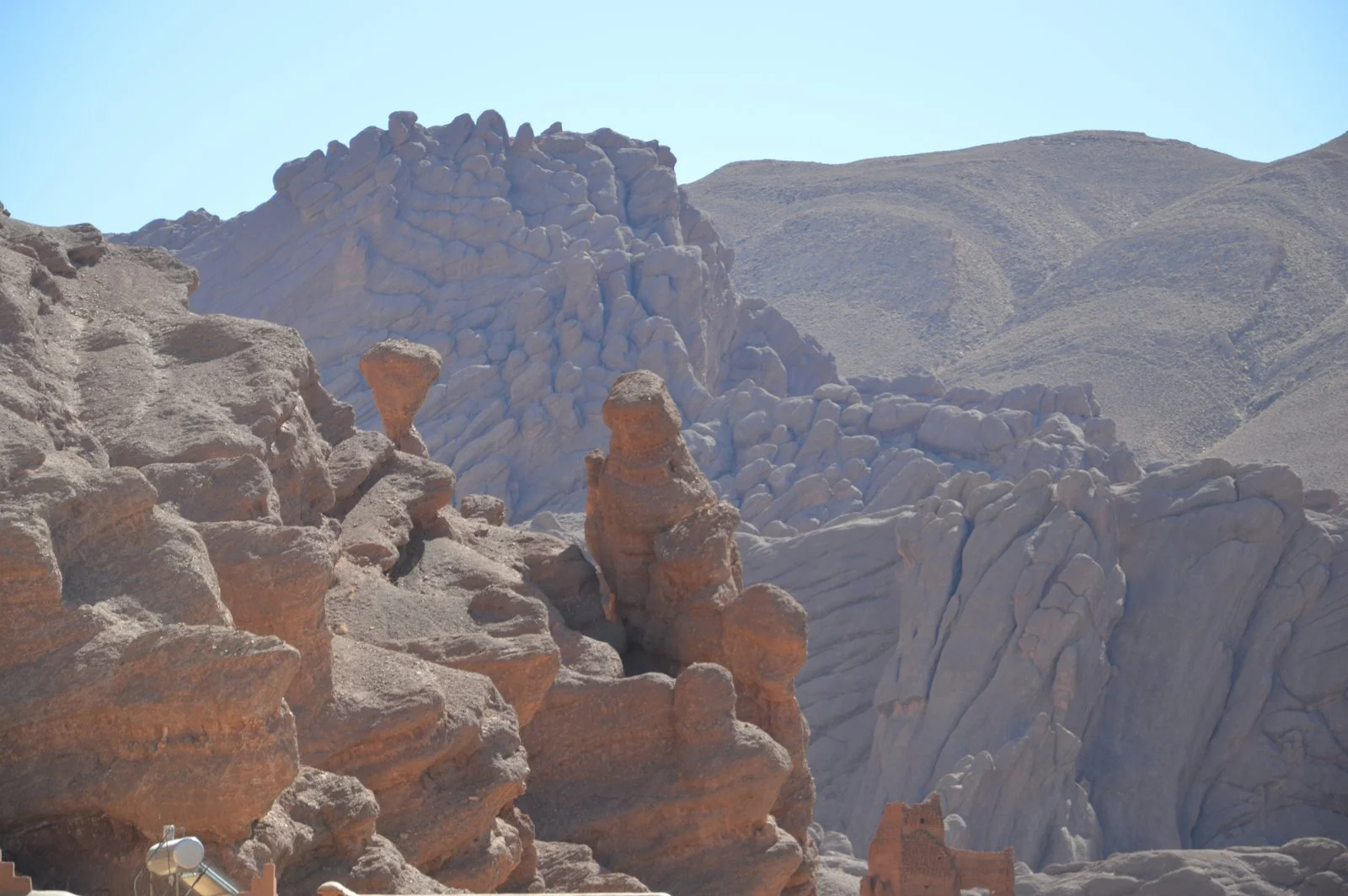
Budget two nights in the Dadès Valley, one for the walking tour and tea, one for the canyon hike. It sits between Marrakech and the Sahara, and it's where the landscape stops looking like Morocco and starts looking like Mars: red canyon walls, a winding river, and the crimson sandstone formations locals call the Monkey Fingers.
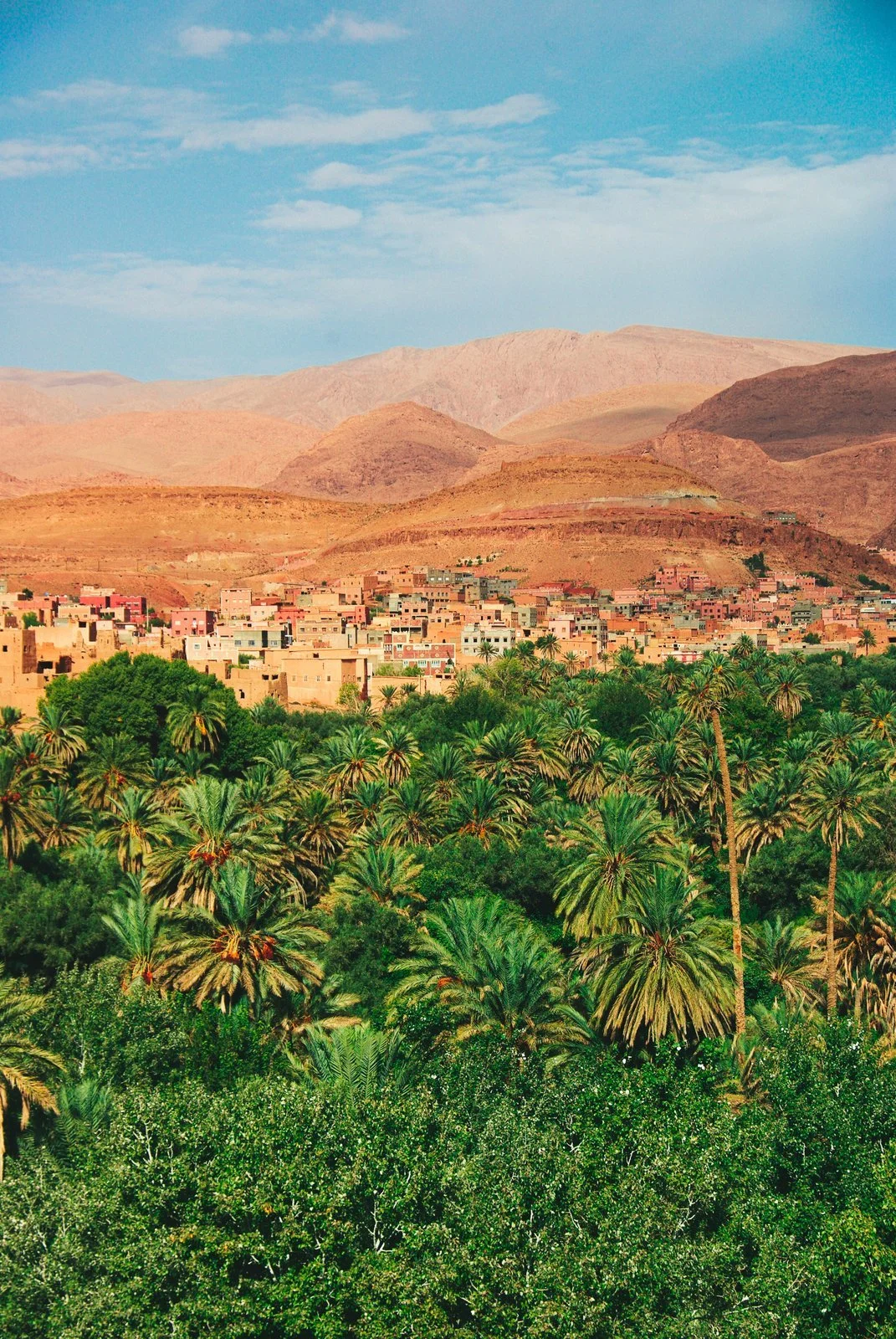
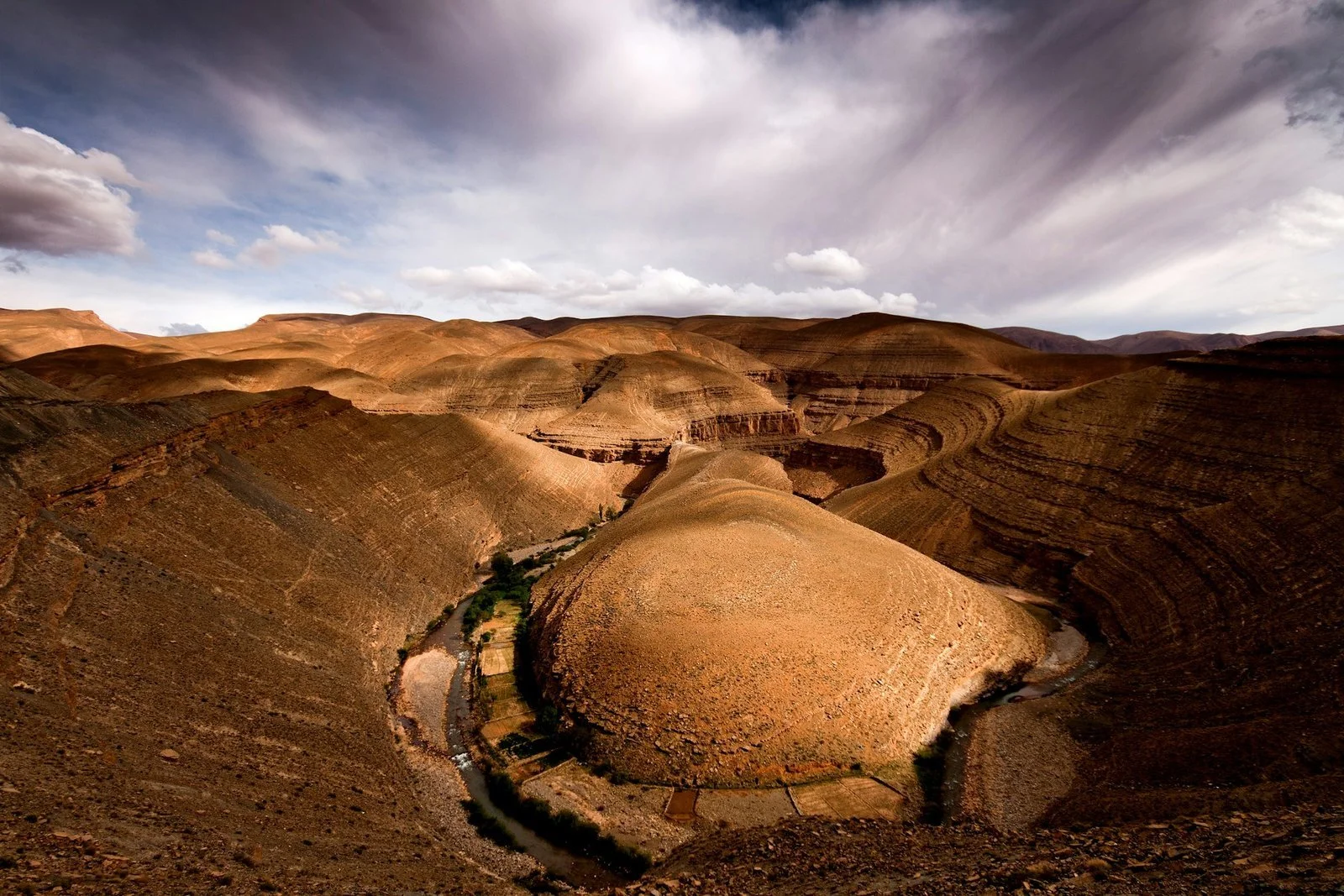
The canyon hike runs three to five miles with roughly 820 feet of climbing, through farmland and forest and narrow rocky passages south of Boumalne Dades. Moderate, not extreme. It's the kind of active day that breaks up a trip otherwise heavy on cities and road time.
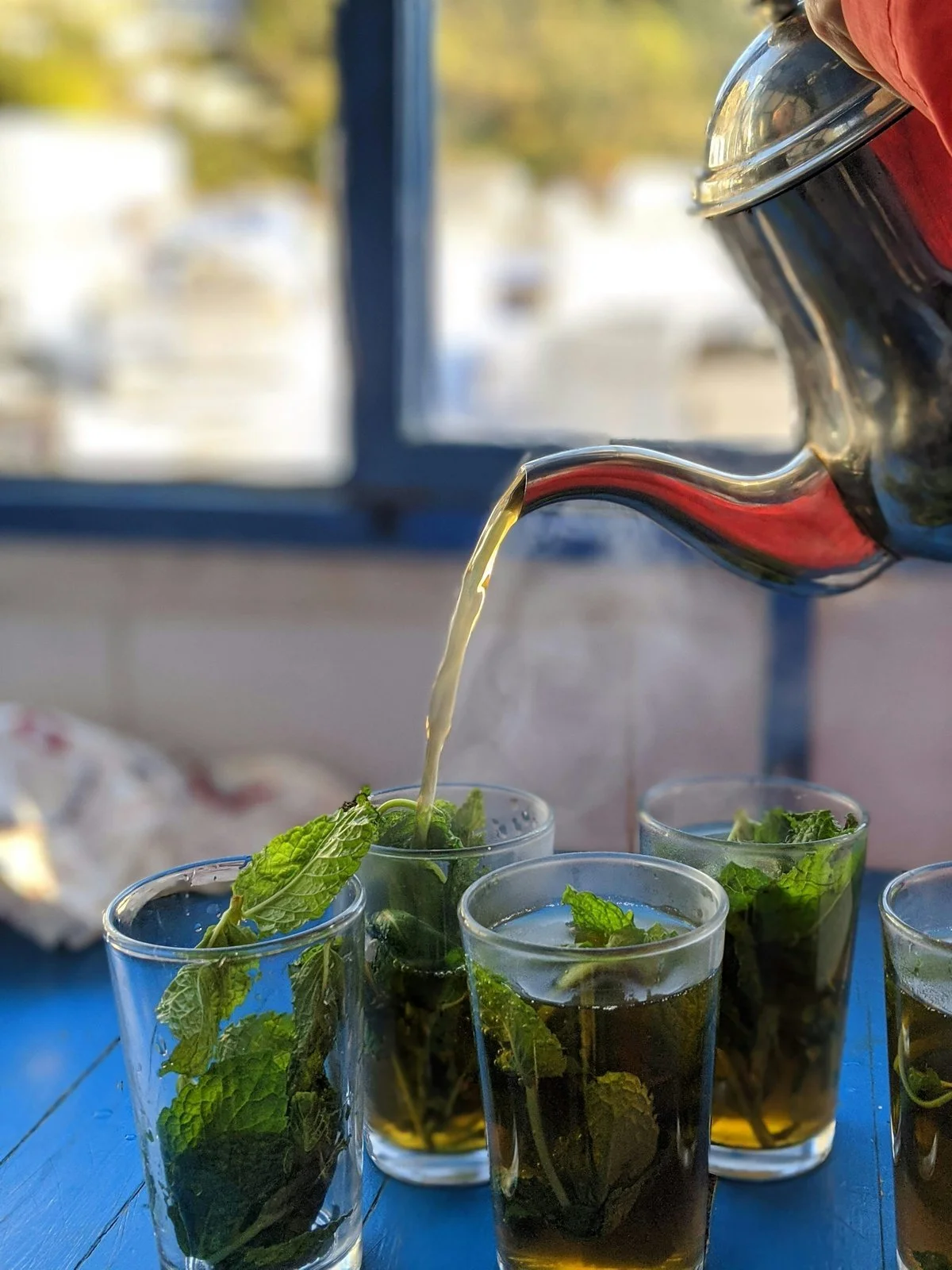
This is also where the mint tea ritual gets personal. You visit a local family's home, watch it poured from a height the way it's meant to be, and drink it with pastries and nuts over a view of the village. Small moment, and it tends to outlast the big landmarks in people's memory.
Speaking of building time in on purpose... if you're weighing whether to plan this route yourself or hand it to someone who already has, that's exactly the gap our own Morocco trip was built to close.
The Sahara: A Camel Ride at Sunset, a Night Under the Stars
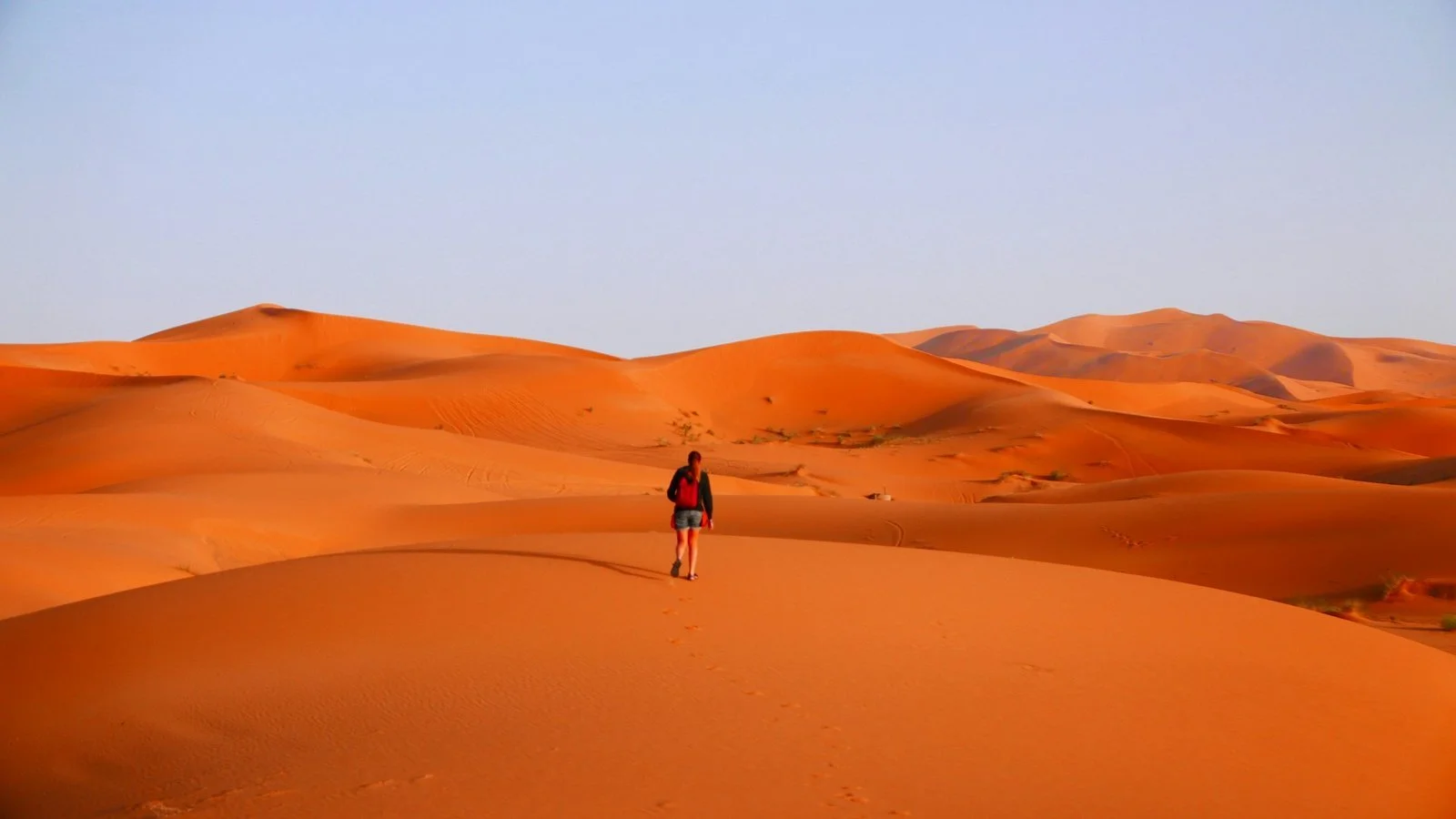
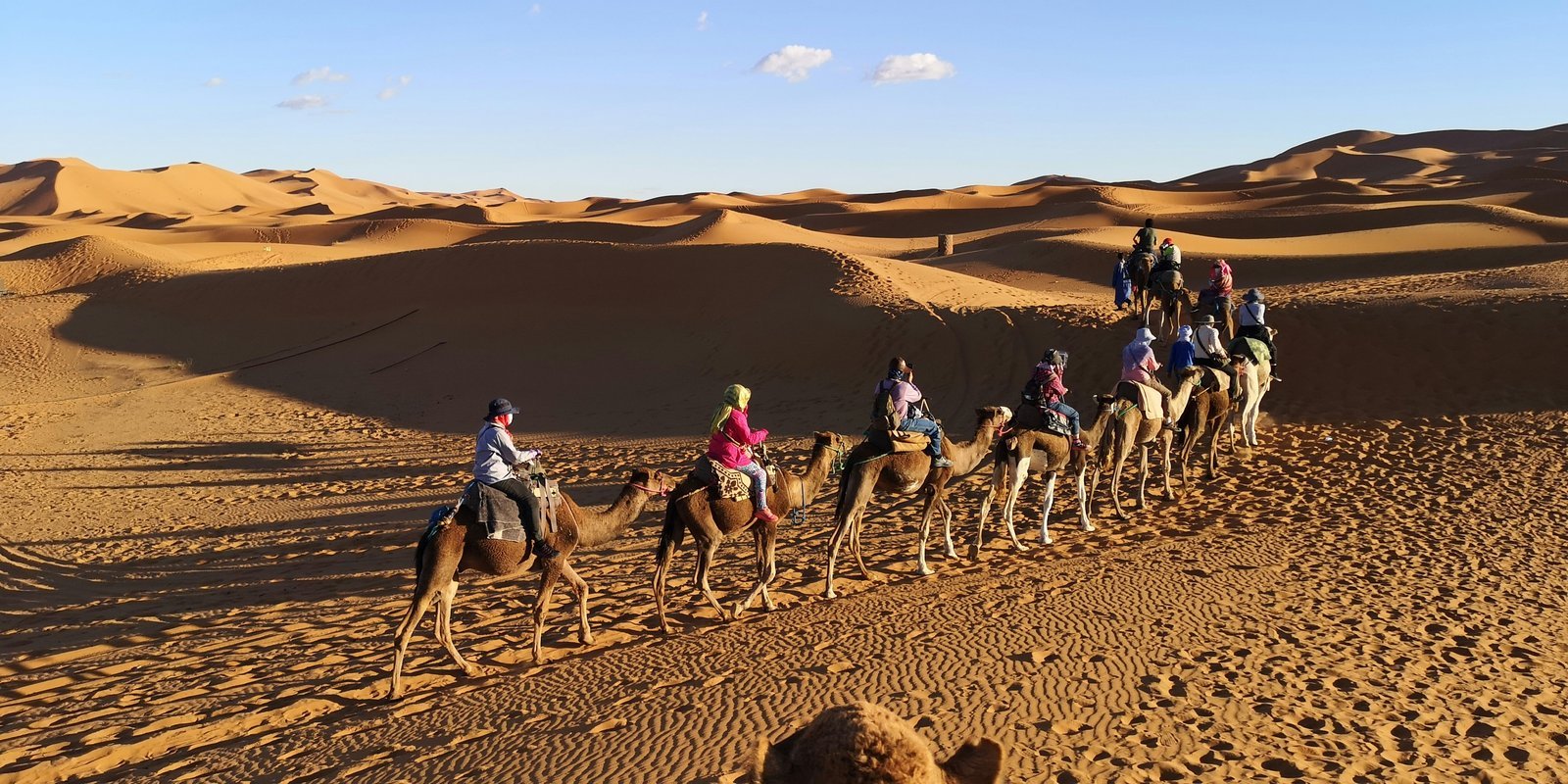
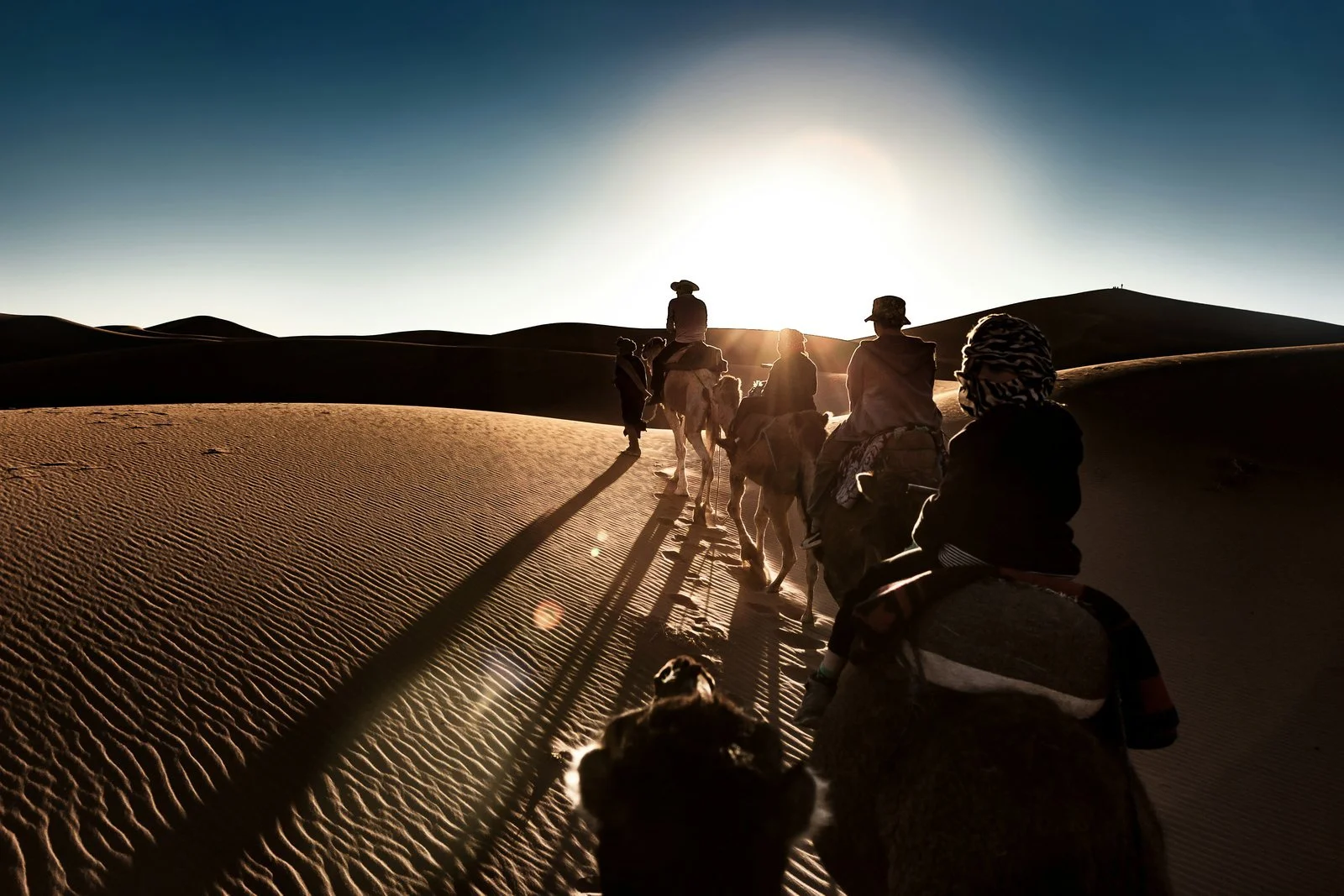
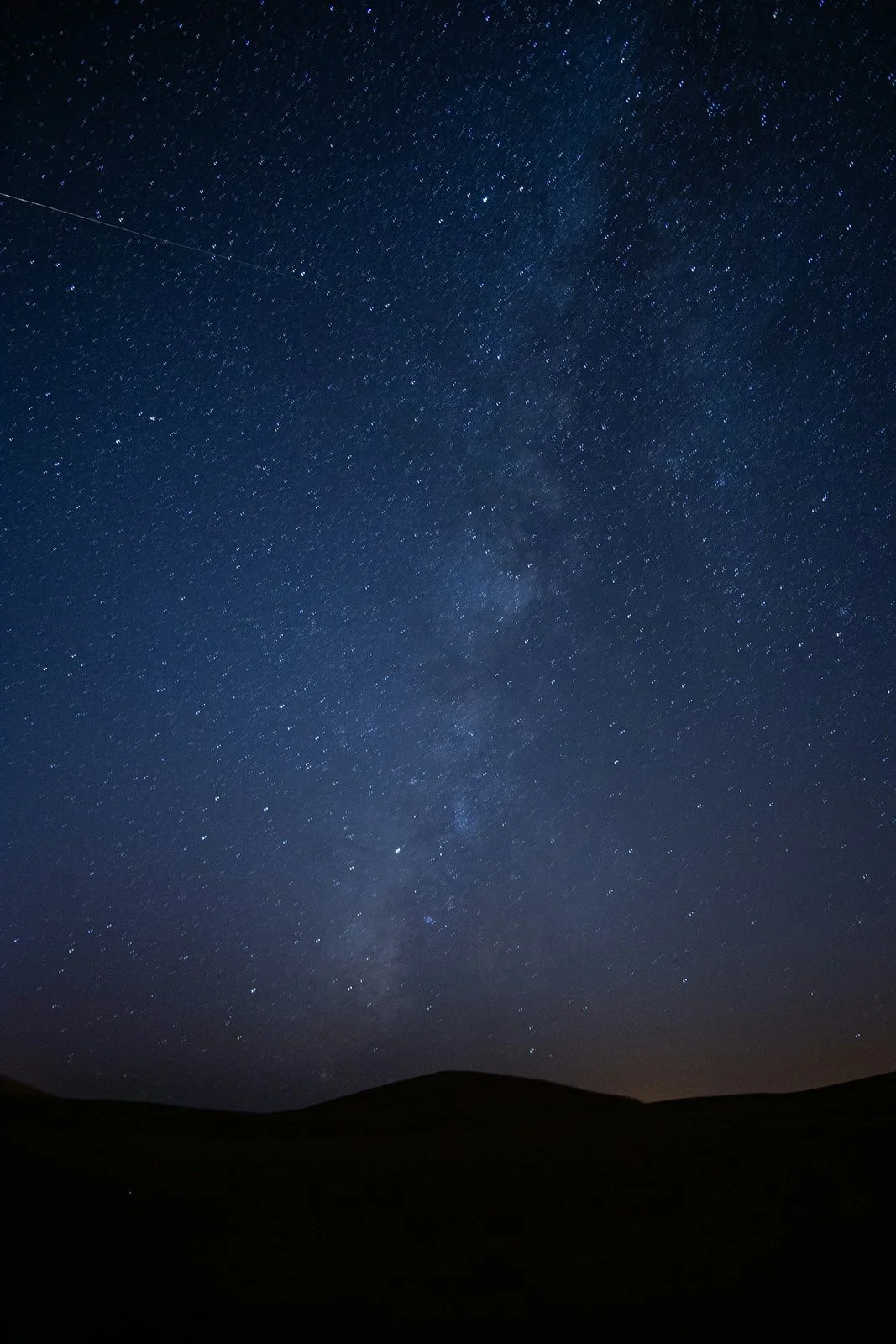
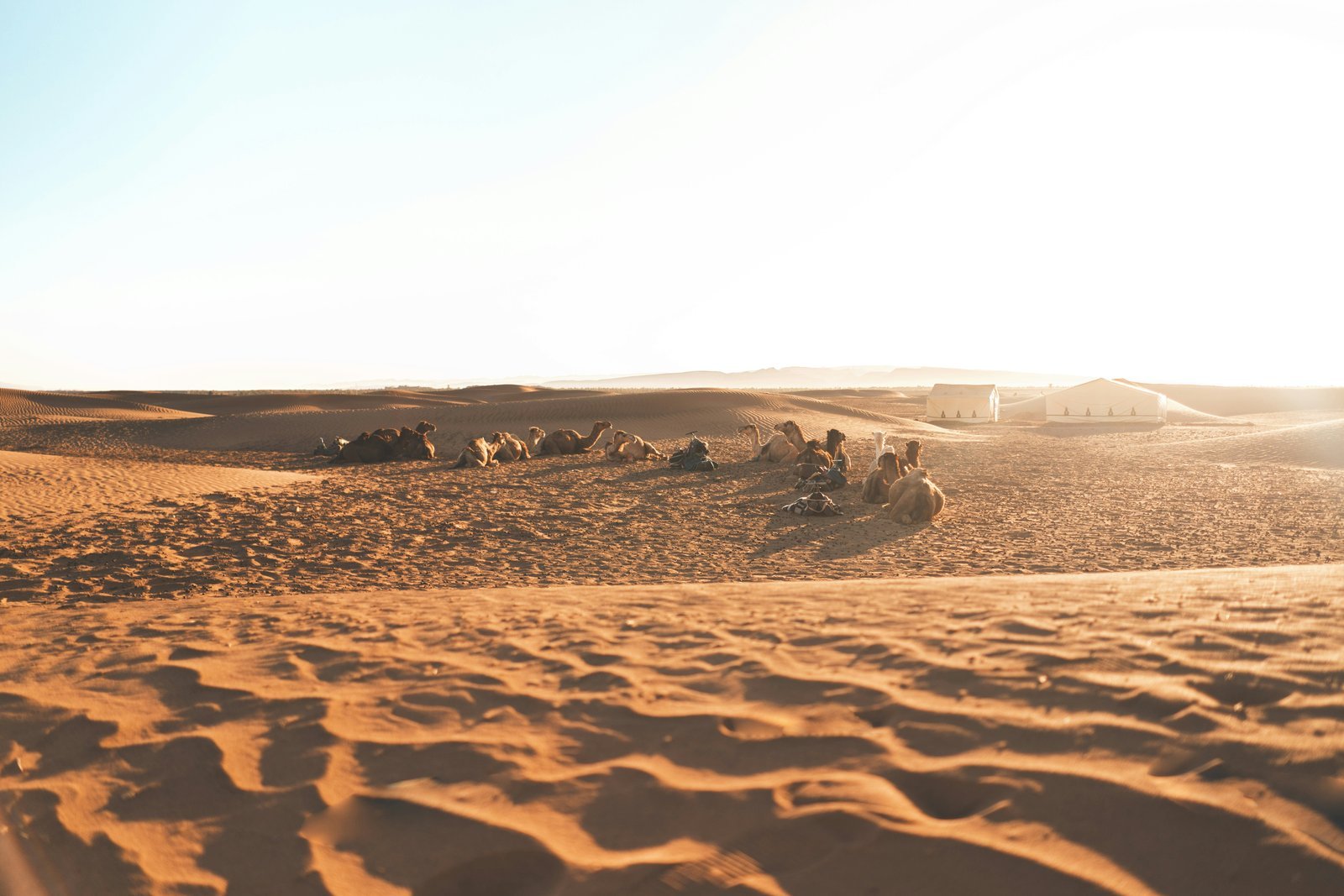
The Sahara is the stop everyone photographs, and it earns it. Getting there via Merzouga is about a five-hour drive from the Dadès Valley, and it's worth every minute. You arrive in the afternoon, ride a camel into the dunes at sunset, and sleep under a sky dark enough to make out the Milky Way.
Dinner at camp usually comes with a live set from local musicians. The mornings out there bring a kind of quiet that's hard to describe until you've stood in it yourself.
We build in a full free day in the desert rather than turning around the next morning. One night in the dunes is a photo, two is an actual experience.
Is Ait Ben Haddou Worth the Detour?
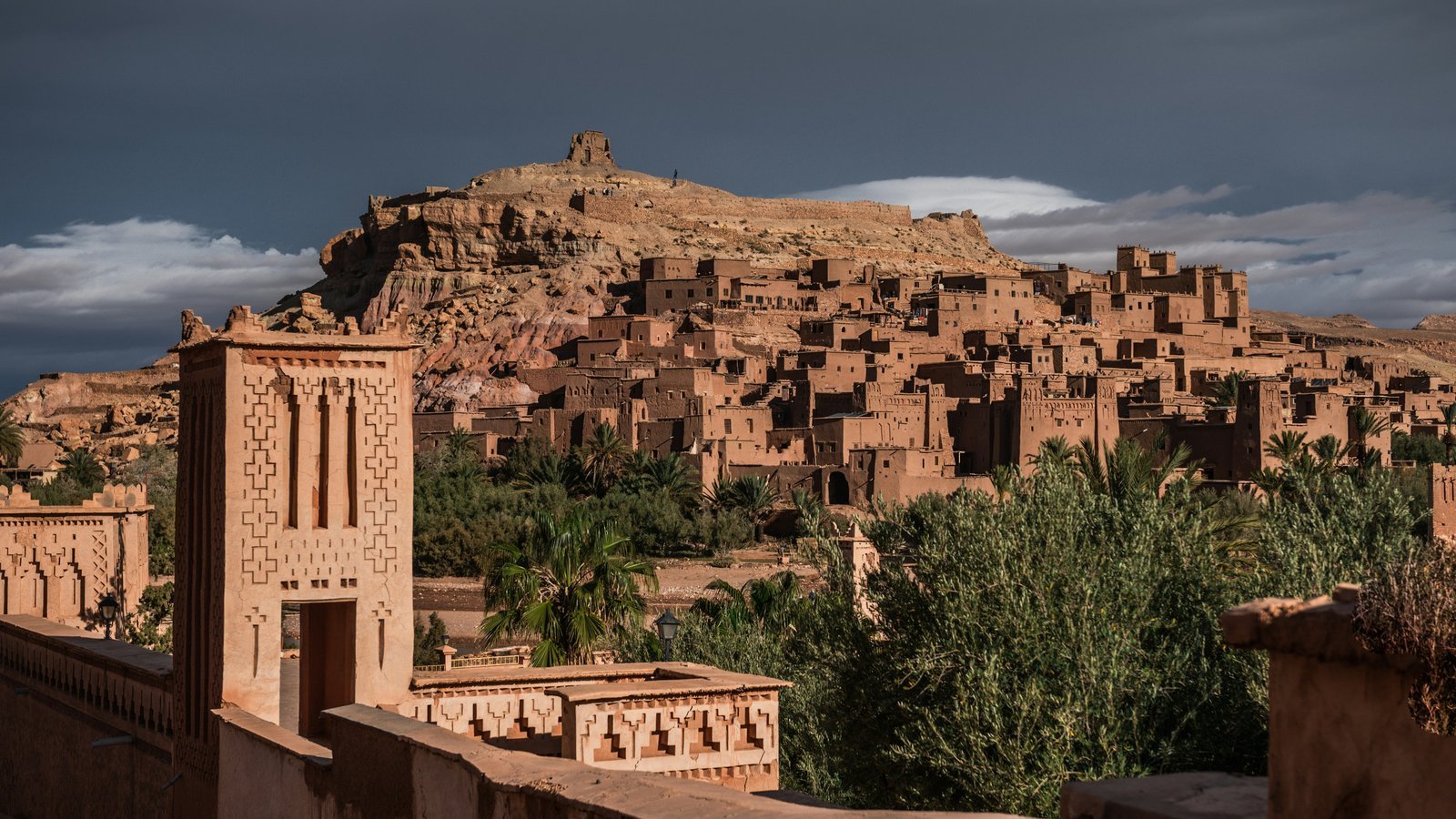
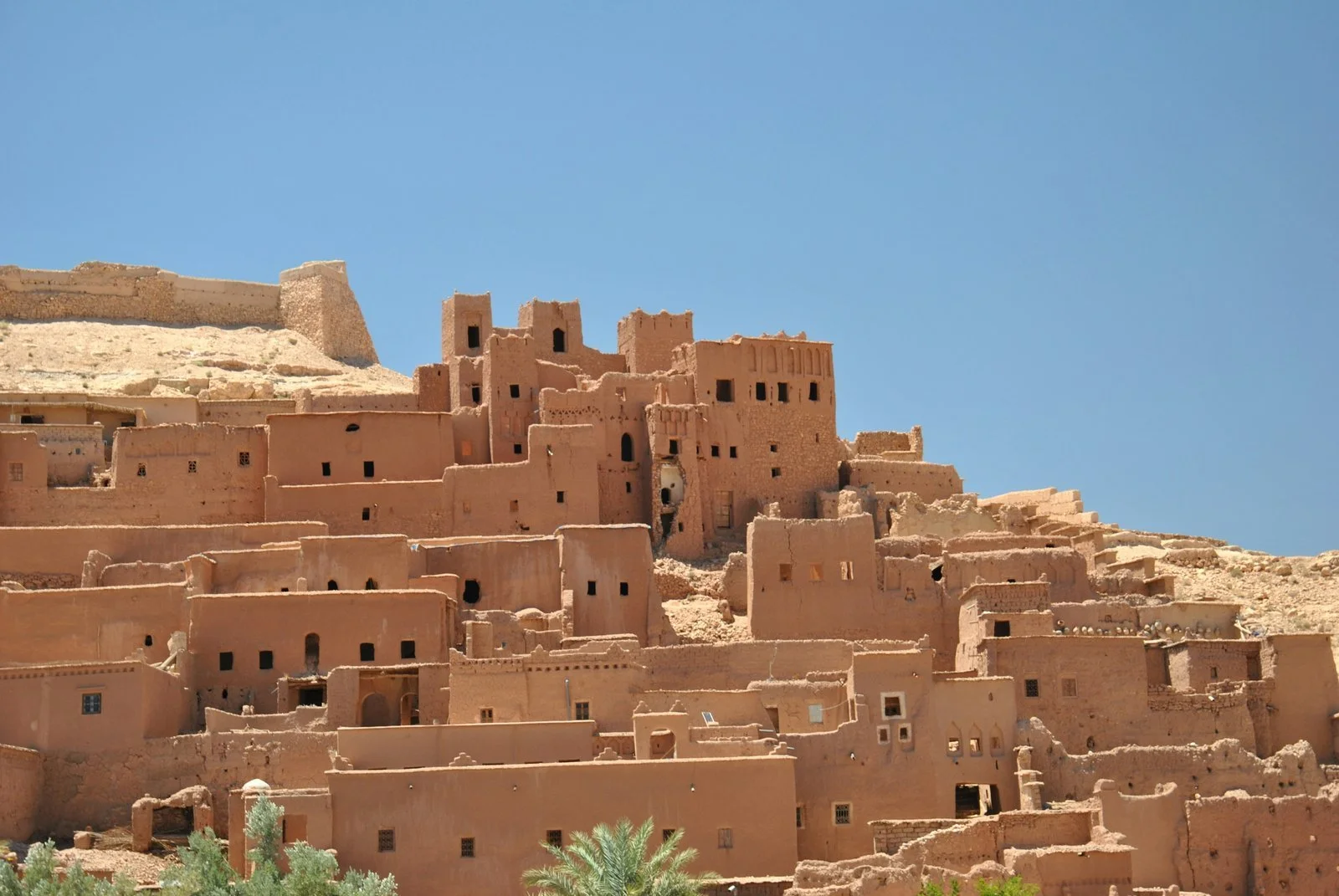
Yes, and it's barely a detour... Ait Ben Haddou sits directly on the road back from the desert to Marrakech. It's a UNESCO World Heritage site you'd probably recognize from Gladiator, The Mummy, or Game of Thrones, and in person it reads far less like a film set and more like a place where people still live.
Built along the old caravan route between Marrakech and the Sahara, its mud-brick architecture was made to survive centuries of desert trade. The walking tour covers about a mile of climbing, up through narrow stone alleys to the top of the kasbah.
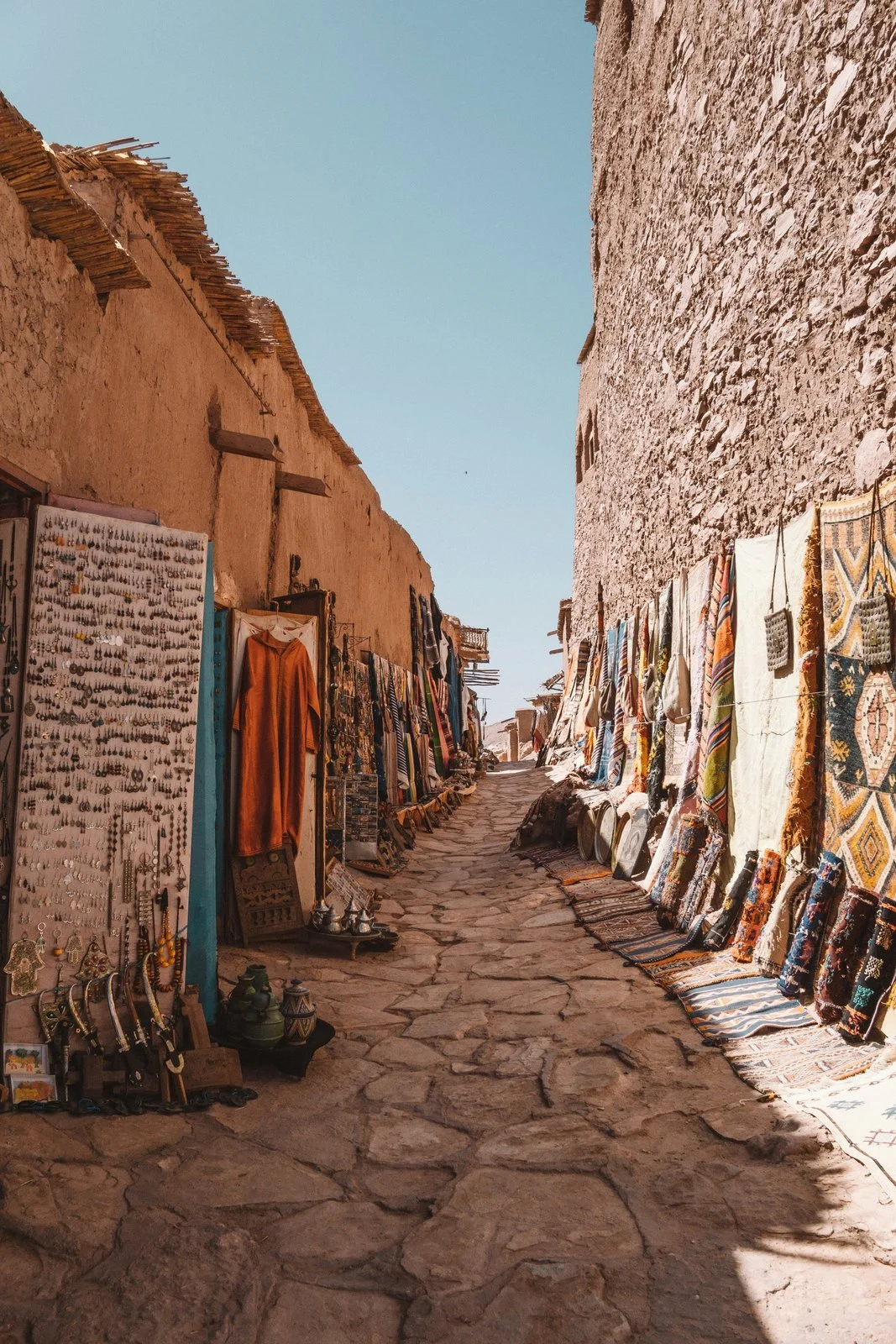
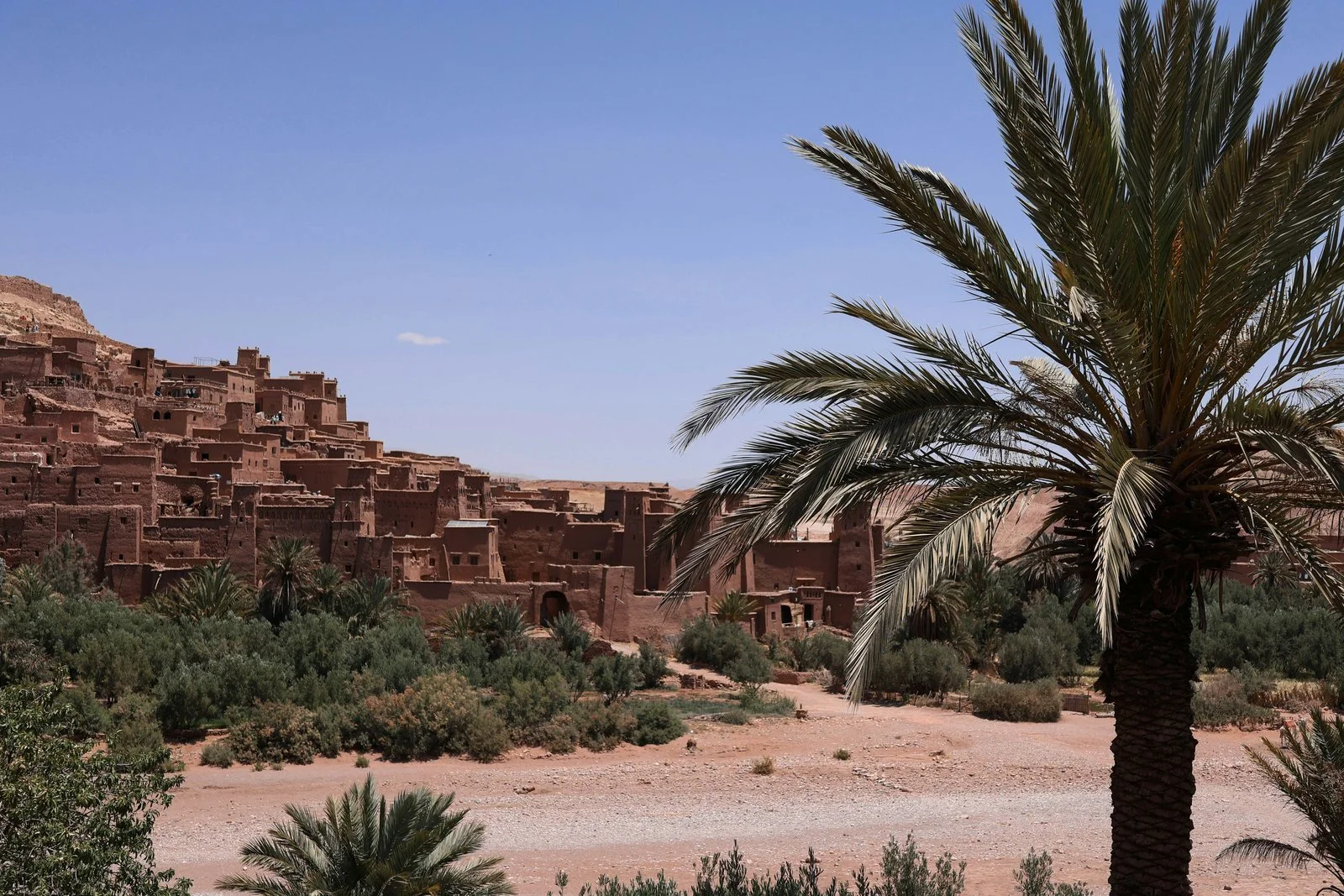
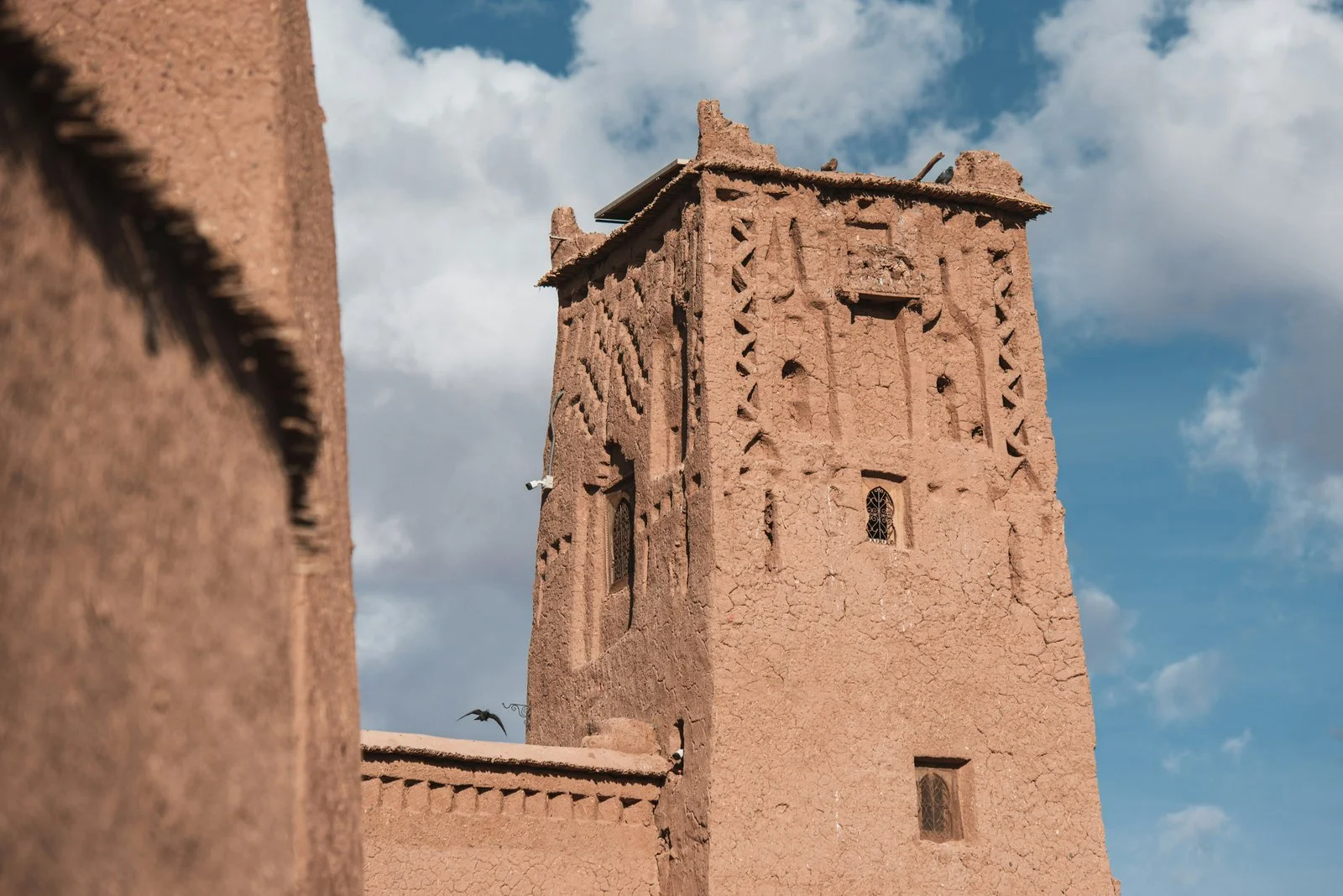
The view from up there, villages and desert stretching out in every direction, is worth the climb on its own. Give it a couple of unhurried hours.
Getting Around Morocco
Grand taxis and private drivers cover most of the ground between stops, and the distances are longer than the map suggests. Marrakech to the Dadès Valley is about six and a half hours. Dadès to the desert is another five, and the desert back to Ait Ben Haddou is six.
That's a lot of road, and vetting drivers from abroad before a trip has even started isn't most people's idea of a good time. It's exactly what our small-group route is built to handle: transport, riads, the desert camp, and a local guide throughout, all sorted before you land, with a group already talking in the trip WhatsApp weeks before departure.
Ready to See Morocco With People Who Get It?
We spent months building this route, and here's the honest part: the first couple of days in any new country are disorienting. Currency, navigating a medina, working out who to trust for a desert booking. That's the exact gap our Morocco trip closes, with a small group, a WhatsApp chat running weeks out, monthly Zoom calls before departure, and a host who already knows which riads and which crews treat every traveler the same.
Nine days, capped at 20 travelers, September 28 to October 6, 2027, with Matthew hosting. Marrakech's medina, the Dadès Valley's canyons, a night under Sahara stars, and Ait Ben Haddou on the way back, built as one gay adventure travel itinerary instead of four trips you'd have to piece together yourself.
It also includes a traditional hammam in Marrakech, daily journal prompts and guided meditations, and an optional LGBTQ+ Community and Connection Workshop, which we haven't seen built into a standard Morocco tour anywhere else. Solo sign-ups are welcome, and most of our travelers book that way.
See the full Morocco trip → · Browse all our gay group trips
Frequently Asked Questions
-
No. Same-sex relations are criminalized under Article 489 of the Moroccan penal code, with penalties of six months to three years in prison plus a fine. The law applies to visitors as well as citizens, though prosecutions of foreign tourists are rare and the cases that do get brought overwhelmingly involve Moroccan nationals.
-
For most visitors, yes. Thousands of LGBTQ+ travelers visit Morocco every year without incident, and the tourism industry is well used to international guests of every kind. The trade-off is discretion: no public affection, and no volunteering your relationship to strangers.
-
Generally, yes. Riads and hotels that host international travelers rarely ask about the relationship between guests booking a room, and a double for two men or two women is routine. On our trip we vet every stay directly, so it stops being a question at all.
-
Marrakech is the most comfortable city in Morocco for LGBTQ+ travelers, thanks to decades of international tourism and a long bohemian history. It still isn't openly gay-friendly the way a European capital is, and discretion matters even there.
-
You don't need to hide who you are, but public displays of affection and open conversations about your relationship with strangers are best avoided. Most LGBTQ+ travelers describe a don't-ask-don't-tell norm, and it applies across Moroccan public life rather than being aimed at visitors specifically.
-
No. There are no openly advertised gay bars or clubs in Morocco and no public Pride events. Community connection happens privately, which is part of why our own trip builds in an optional LGBTQ+ Community and Connection Workshop for the group.
-
Yes. Our 9-day small-group LGBTQ+ trip runs September 28 to October 6, 2027, covering Marrakech, the Dadès Valley, the Sahara, and Ait Ben Haddou. Group size is capped at 20, solo sign-ups are welcome, and everyone joins the trip WhatsApp community as soon as they book.

Solo but never alone. The best LGBTQ+ group trips for singles in 2027, plus how to pick a safe, single-friendly trip that helps you make real friends.