
Gay Travel to Sicily: Our Essential List
Sicily is exactly the kind of trip people fall hard for. Baroque cities built over Greek ruins built over Arab and Norman cathedrals, a live volcano you can hike in an afternoon, beaches that flip from postcard-blue to black volcanic sand within an hour's drive, and food that makes the rest of Italy nervous. It's also one of the most surprising places in the country for LGBTQ+ history, and not by a small margin: this is the island that hosted Italy's first gay Pride, produced Italy's first openly gay mayor and second openly gay regional president, and gave a whole generation of queer artists and writers a place to belong in Taormina, starting in the 1870s and running well into the 20th century. Travel for your character arc. Sicily's been writing this particular one for a while.
Are Sicilians Respectful of Gay Travelers?
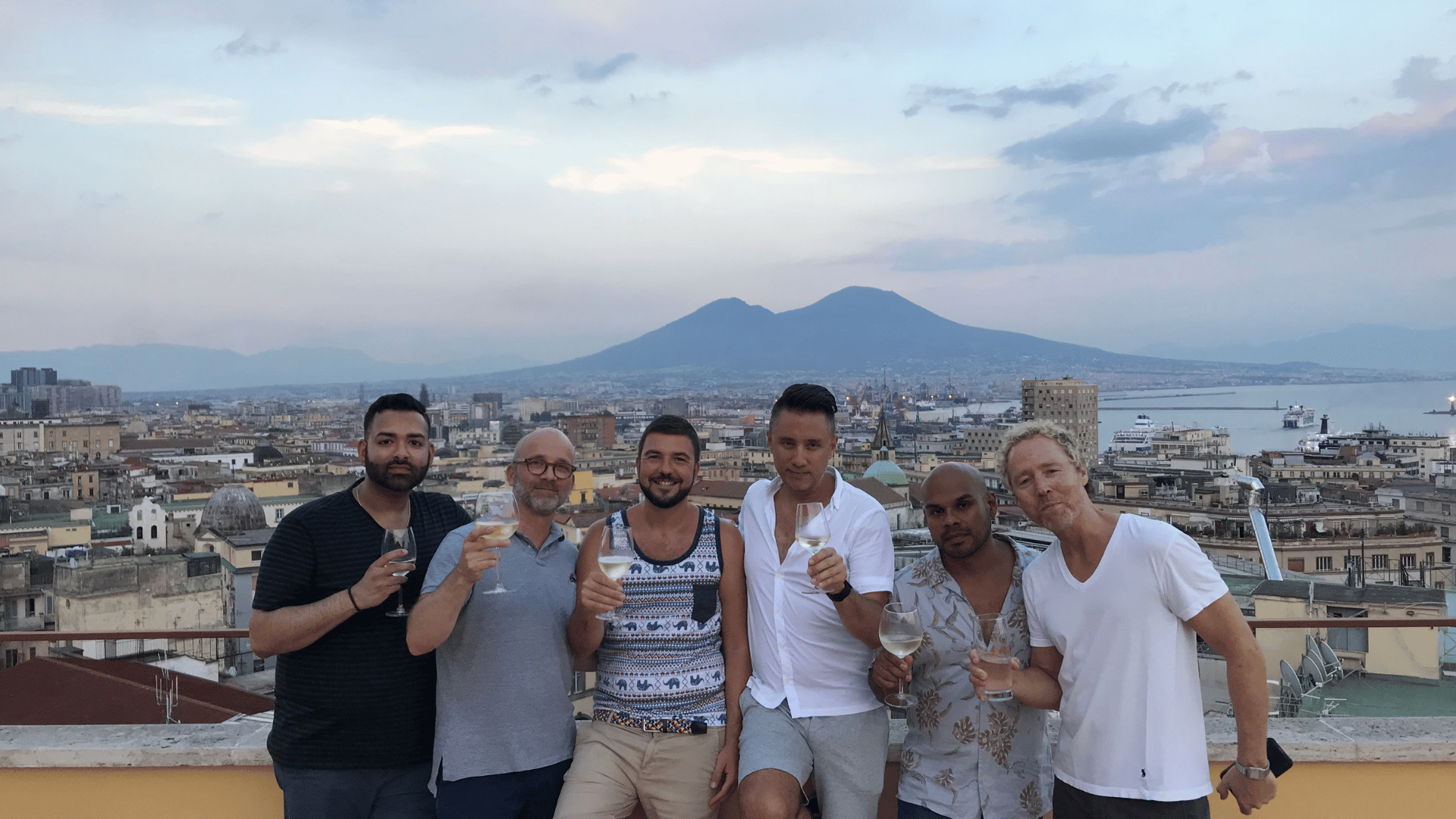
Pretty much! More so in the cities and tourist towns than the smaller inland villages, and the trend line keeps moving in the right direction. Sicily has a reputation for social conservatism that's real in some pockets, mostly older and more rural, but it undersells how comfortable the actual travel experience tends to be. Palermo's historic center, Ortigia in Syracuse, and the well-trodden coastal towns are places where two men or two women traveling together simply don't register as unusual, where the biggest risk on a given day is a curious look, not a real problem.
Of course, as a tourist, you're viewed differently than a local LGBTQ+ Sicilian would be, and foreigners tend to get more latitude and less scrutiny. Sicily's history gives it a particularly interesting backdrop here too: this is a place shaped by Greek, Arab, Norman, Byzantine, and Spanish layers, a long habit of cultural coexistence that shows up in how the island absorbs difference generally. And the island's politics have already made real history. Rosario Crocetta served as President of the Sicilian Region from 2012 to 2017, openly gay the entire time, Italy's second openly gay regional leader after Nichi Vendola and, before that, Italy's first openly gay mayor when he led the city of Gela.
The honest, practical version: save bigger public affection for Palermo, Taormina, Ortigia, and the tourist coast, where nobody blinks, and dial it back a little in smaller inland towns the way you would as any visibly different couple anywhere in the world. That's the whole adjustment. Everything else about Sicily is an easy yes.
LGBTQ+ Life in Sicily: Scene, Pride, and Where to Connect
Palermo hosted Italy's first-ever gay Pride, June 28, 1981, at Villa Giulia. That’s more than four decades before most of the country caught up. The politics kept pace. Rosario Crocetta was Italy's first openly gay mayor when he led Gela starting in 2003, then became Sicily's President from 2012 to 2017 as the country's second openly gay regional leader. Palermo Pride now runs every June and has grown into one of the biggest and most visible Prides in southern Italy.
Italy's civil union law has protected same-sex couples nationwide since 2016, covering most of the rights of marriage, and public support keeps climbing, a 2025 national poll put support for same-sex marriage itself at nearly 67%. Marriage equality isn't law yet, a bill has sat in the Senate since 2023, but the direction of travel is clearly forward. Arcigay, founded in Bologna in 1980 and one of the oldest LGBTQ+ organizations in Europe, runs an active Palermo chapter, worth a follow on Instagram before you go for real, current recommendations from actual locals.
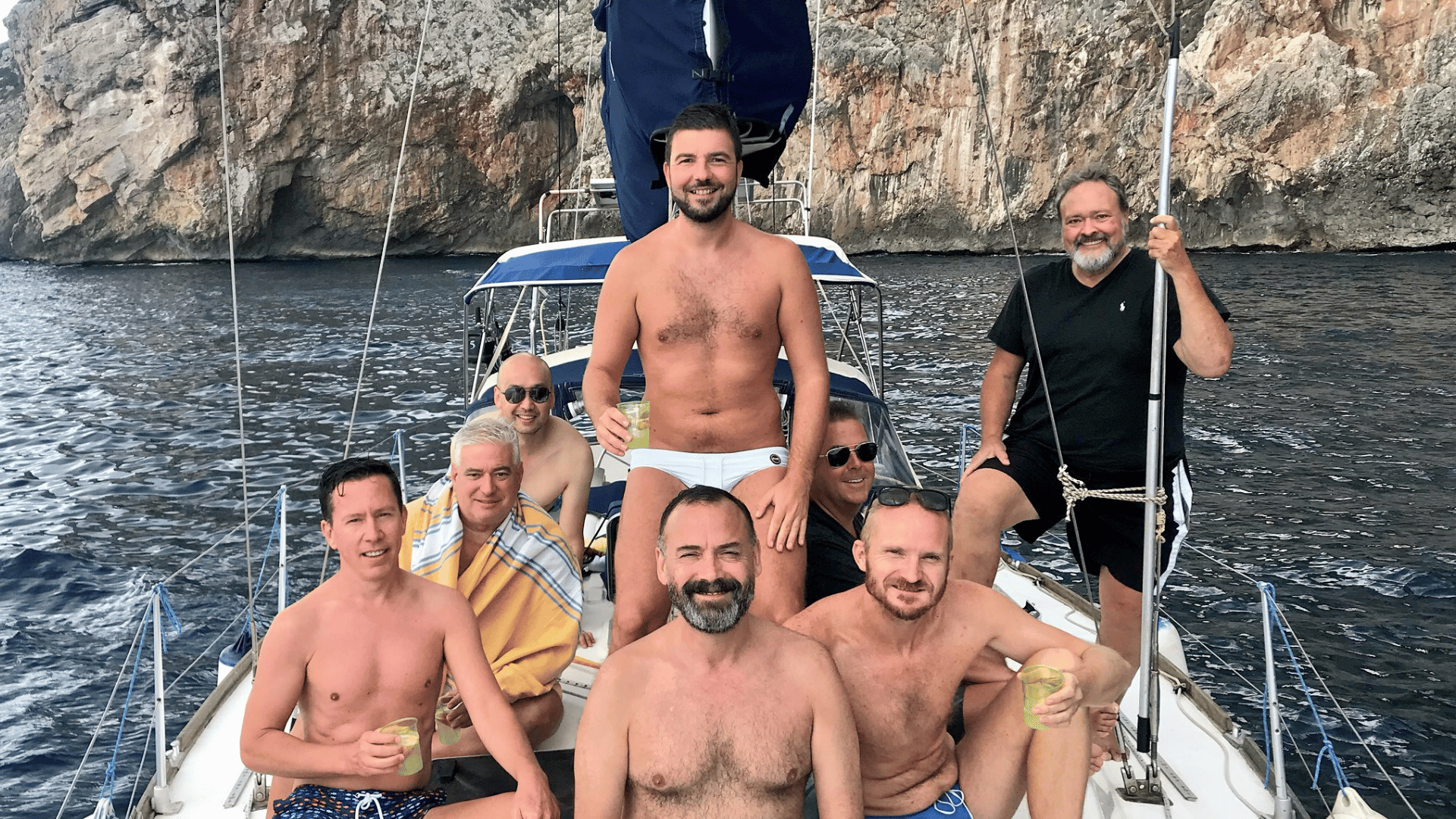
Palermo carries the island's main scene, concentrated in the Politeama district and the streets around Ballarò and Vucciria. EXIT, right on Piazza San Francesco di Paola, has been the anchor of the city's LGBTQ+ nightlife since 1996, an alfresco terrace bar that runs from afternoon aperitivo straight into the night. The same crew runs Fabric, the club end of the operation on the edge of town, where Saturday turns into their flagship party night and the biggest queer crowd in the city shows up to dance. The rhythm locals describe is consistent enough to steal outright: a slow start in the historic center, an aperitivo at EXIT as the sun goes down, dinner at a proper Sicilian trattoria, then over to Fabric if the night's still young. A Mondello beach morning the day after is basically mandatory.
Taormina carries the island's queer history. German photographer Wilhelm von Gloeden settled there in the late 1870s and spent decades photographing the town and its people, work that quietly turned Taormina into an early refuge for queer artists and writers through the 19th and 20th centuries, and that legacy is a real part of why the town still reads as effortlessly welcoming today. Away from the two big cities, Ortigia in Syracuse has built its own strong reputation among queer travelers as a relaxed, easy place to be visibly a couple without a second thought.
“Palermo carries the island’s main scene, concentrated in the Politeama district and the streets around Ballarò and Vucciria. EXIT, right on Piazza San Francesco di Paola, has been the anchor of the city’s LGBTQ+ nightlife since 1996.”
Where Should You Go in Sicily?
Palermo
Sicily's capital and biggest city, and the place to start, especially if you're here for the scene as much as the sights. Palermo runs on layered history: Arab, Norman, Byzantine, and Spanish influence stacked into one dense, chaotic, beautiful historic center. It's also home to the island's main LGBTQ+ nightlife, concentrated around the Politeama district and the streets near the Ballarò and Vucciria markets, and it's the one city on this list where you can build an entire night, and the next morning, around it.
Top things to do in Palermo
Tour the Palatine Chapel and Norman Palace, one of the finest surviving examples of Arab-Norman-Byzantine art anywhere in the world.
Visit La Martorana and Palermo Cathedral, both part of the same UNESCO-listed Arab-Norman heritage.
Eat your way through Ballarò and Vucciria markets, arancine, panelle, and stigghiole straight off the stalls, plus sfincione if you can find a good one (locals point to Prezzemolo & Vitale for a reliable slice).
Take the short trip out to Monreale Cathedral, widely considered one of the great masterpieces of Norman architecture in Sicily.
Do a Palermo night the way the regulars do it: aperitivo on EXIT's terrace at Piazza San Francesco di Paola as the sun drops, dinner at a proper Sicilian trattoria, a walk down to the Marina Yachting waterfront to catch the dancing fountain, and Fabric on Saturday if you're still going, that's when EXIT's crew takes over the club and the whole scene shows up.
Swim, tan, and people-watch at Mondello, Palermo's beach neighborhood and the default answer to "what do we do the morning after," a short bus ride from the center.
Where to stay in Palermo
The historic center puts you closest to the markets, the cathedral, and the Politeama nightlife, easy walking distance to both EXIT and the aperitivo scene around it. Look at gay-friendly boutique stays through misterb&b Palermo for hosts with real local knowledge, or Hotel Principe di Villafranca for a more traditional four-star base.
Taormina
Perched on a cliff above the Ionian Sea with Mount Etna smoking in the background, Taormina has been Sicily's most glamorous town for well over a century, and its queer history runs just as deep as its reputation for beauty. It's an easy, walkable, warmly welcoming place to spend a few slower days.
Top things to do in Taormina
Tour the Ancient Theatre of Taormina, a Greek-built, Roman-expanded amphitheater with a view of Etna that regularly stops visitors mid-sentence.
Wander Corso Umberto, the main pedestrian street, for shopping, people-watching, and some of the best gelato on the island.
Take the cable car or a short walk down to Isola Bella, a small nature reserve island connected to the mainland by a sandbar.
Visit the Public Garden (Villa Comunale) for a quieter, garden-view break from the crowds.
Day trip up Mount Etna itself, Europe's tallest and most active volcano, for a hike, a cable car ride, or a wine tasting on its slopes.
Where to stay in Taormina
The historic center around Corso Umberto puts everything in walking distance. Book early in summer, this is Sicily's most in-demand town.
Catania and Mount Etna
Sicily's second city sits right at the foot of Etna, built in part from the volcano's own black lava stone, which gives its Baroque center a look unlike anywhere else in Italy. Catania is grittier and more lived-in than Taormina, with a real university-town energy and a food scene that locals will argue is the best on the island.
Top things to do in Catania
Wander Piazza del Duomo and the lava-stone Baroque streets of the historic center, a UNESCO World Heritage site.
Hit La Pescheria, Catania's legendary fish market, loud, chaotic, and one of the best food experiences in Sicily.
Climb (or take the cable car up) Mount Etna for lava fields, craters, and views that make the volcano feel a lot closer than it looked from town.
Explore the Roman Amphitheatre and Greek-Roman Theatre tucked into the modern city center
Syracuse and Ortigia
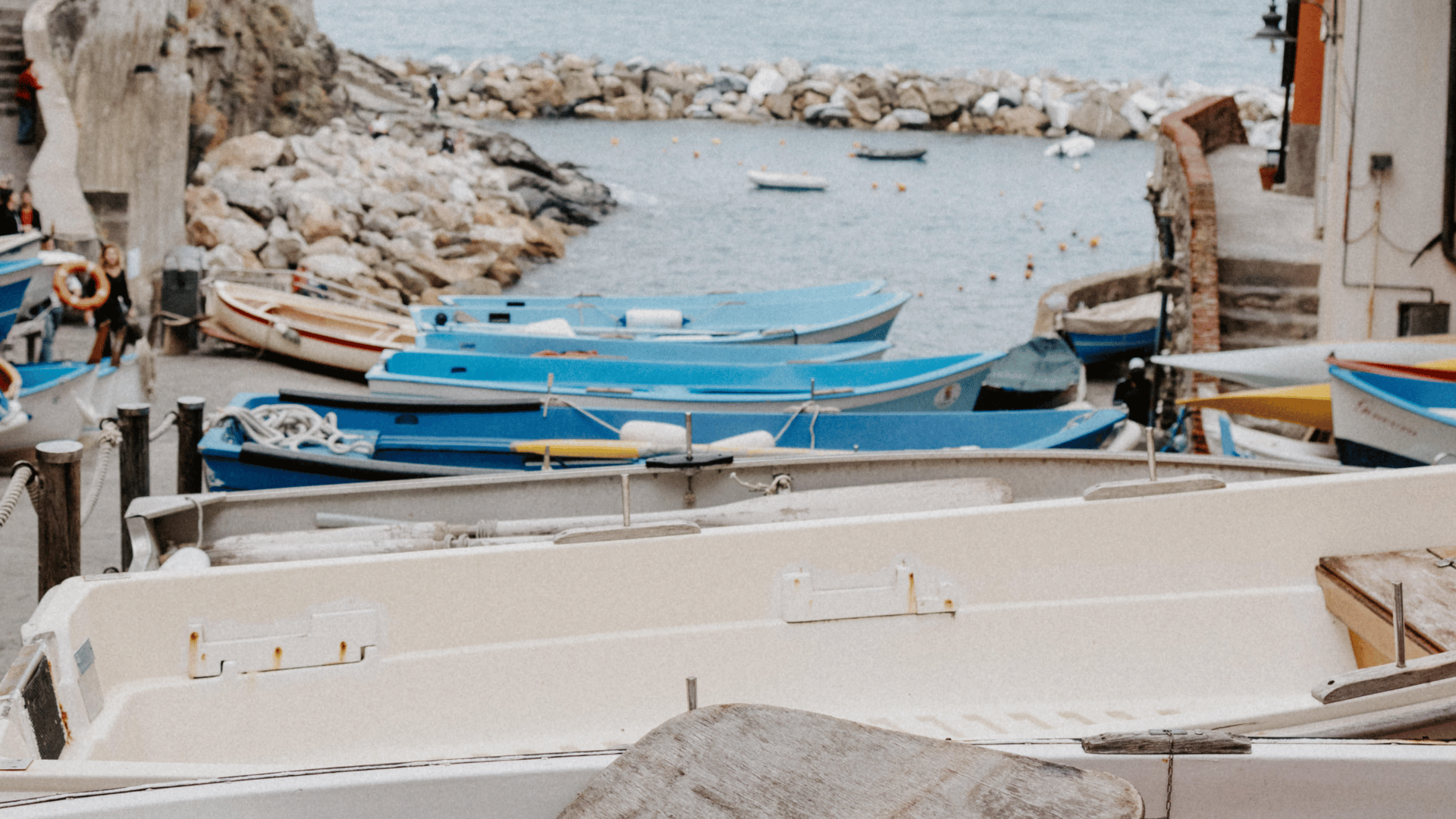
Once one of the most powerful cities in the ancient Greek world, Syracuse is now anchored by Ortigia, the tiny island old town connected to the mainland by a short bridge and widely considered one of the most beautiful historic centers in Sicily. It's also earned a reputation among queer travelers as one of the most relaxed, easygoing places on the island to simply be a couple.
Top things to do in Syracuse and Ortigia
Wander Ortigia's old town, the Duomo (built directly into a Greek temple's columns), and the waterfront promenade.
Visit the Fountain of Arethusa, a freshwater spring steps from the sea with its own ancient myth attached.
Tour the Neapolis Archaeological Park, home to the Greek Theatre (still used for performances today) and the Ear of Dionysius cave.
Catch sunset from the Ortigia seafront, then dinner at one of the seafood spots along the water.
The West Coast: San Vito Lo Capo, the Zingaro Reserve, and Erice
The stretch of coast west of Palermo is where Sicily turns into the kind of beach trip people don't expect. San Vito Lo Capo routinely gets called Sicily's most beautiful beach, and the Zingaro Nature Reserve between it and Scopello is a protected stretch of coastline with hidden coves reachable only on foot or by boat. Castellammare del Golfo makes an easy, well-located base for the whole area. Inland and up, the medieval hilltop town of Erice looks out over the whole coast from above the clouds on a good day, with Segesta's remarkably preserved Greek temple and theater a short drive away.
Top things to do on the West Coast
Spend a full day on San Vito Lo Capo's beach, then explore the town itself in the evening.
Hike into the Zingaro Nature Reserve for its quiet coves and clear water.
Rent a boat from Castellammare del Golfo or Scopello to reach the coastline's best swimming spots.
Climb up to Erice for the views, the pastries (Maria Grammatica's shop is the local legend), and the medieval streets.
Visit the Greek temple and theater at Segesta, one of the best-preserved ancient sites in Sicily.
Best Time to Visit Sicily
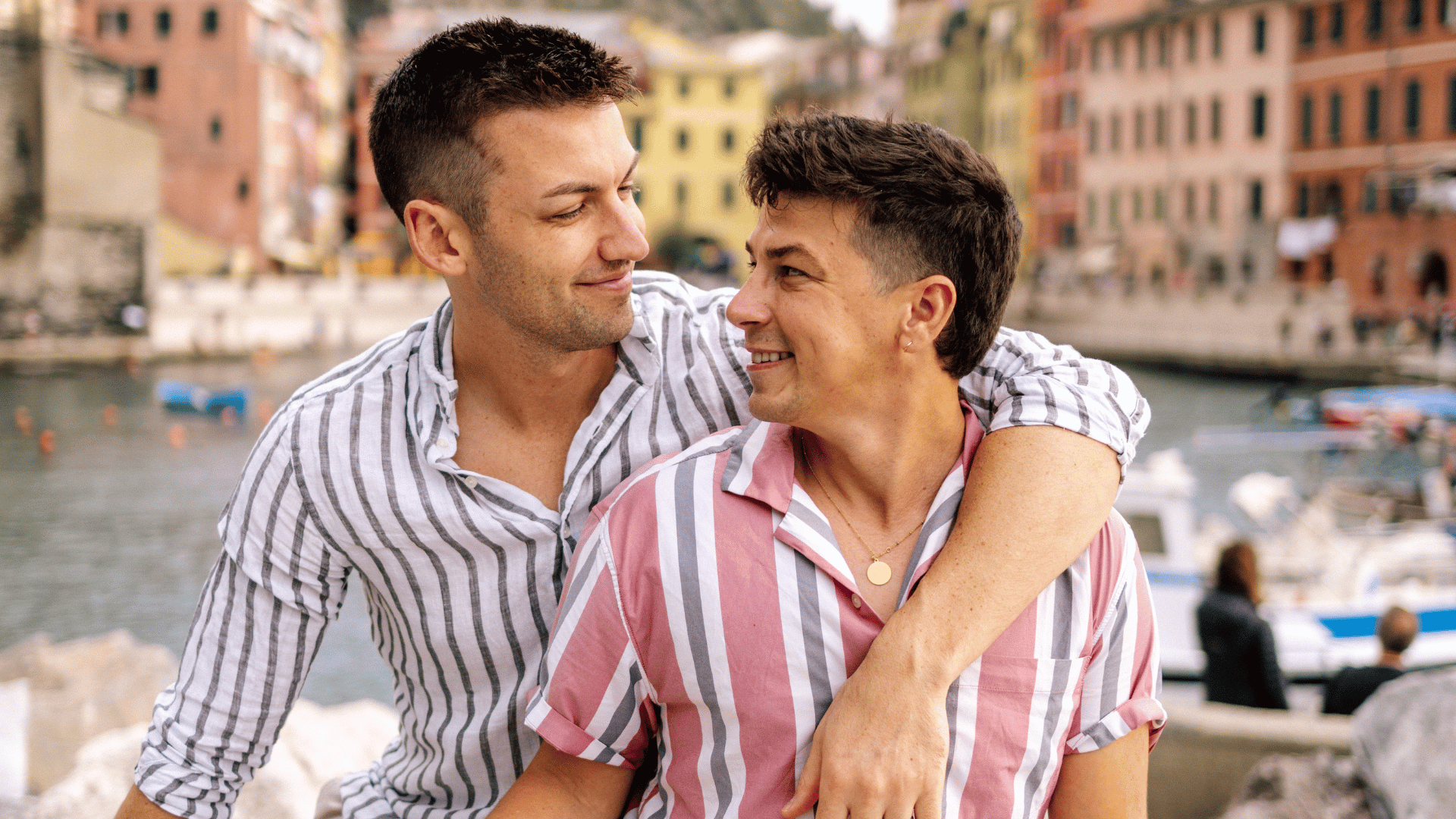
Late spring through early fall covers most of what you'd want. April through June and September through October bring warm days, thinner crowds, and better rates, and line up with Palermo Pride in June. July and August are peak beach season, hot and busy, especially on the coast and in Taormina, worth it if a lively summer scene is exactly what you're after. Winter is mild by most standards and quietly good for Palermo, Catania, and the inland Baroque towns if you don't need a beach.
Epic Events in Sicily
Palermo Pride (June): Sicily's largest Pride celebration, growing every year since the early 2000s.
Kala Festival equivalents aside, Sicily's own summer festival calendar is packed: Taormina's Ancient Theatre hosts a full summer season of concerts and performances against the Etna backdrop.
Ferragosto (August 15): Italy's biggest summer holiday, when the whole island is out celebrating, beaches especially.
What to Eat in Sicily
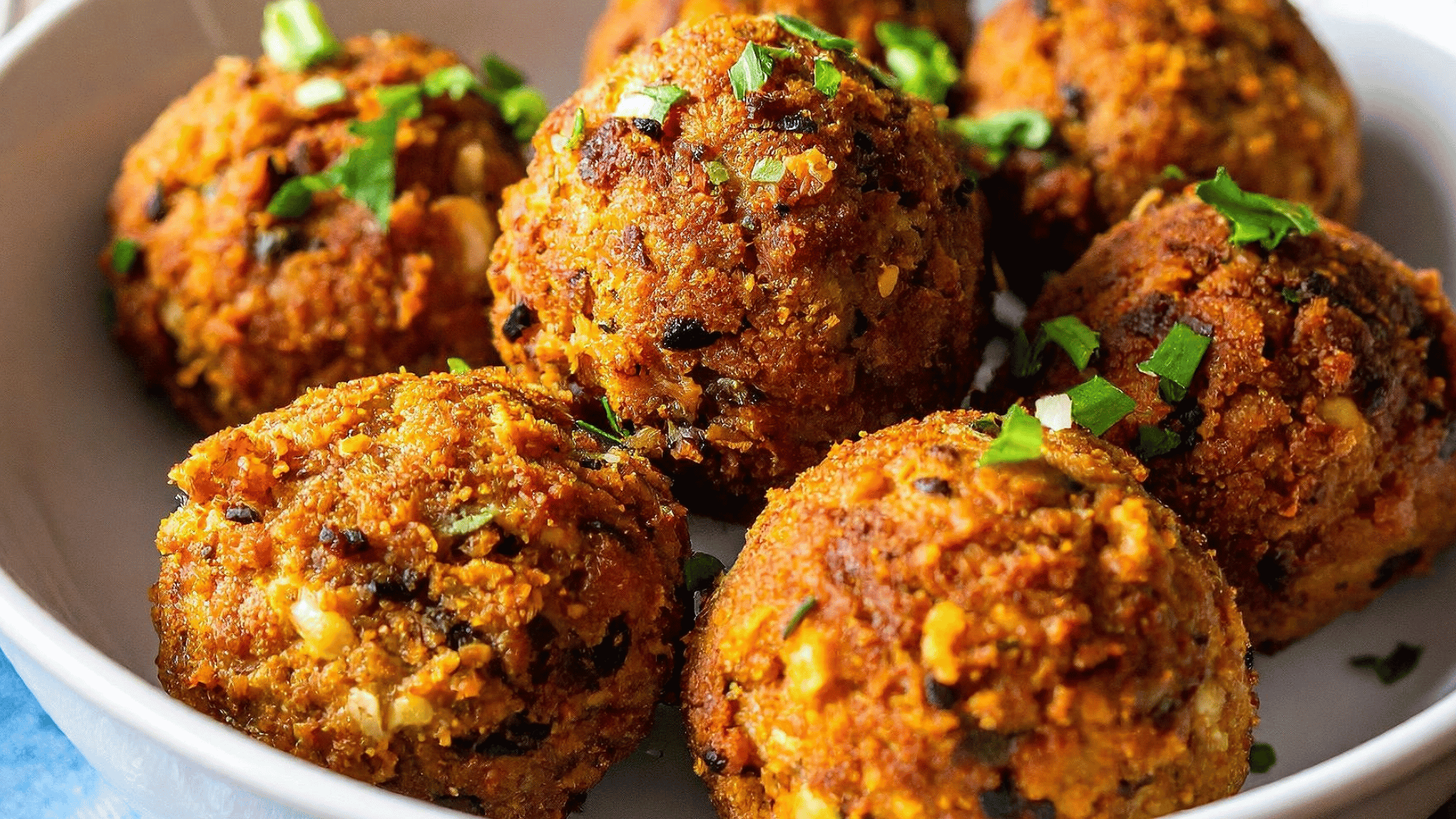
Ok so we are in Italy after all, so it’s fair to say you’re not going to starve! Sicilian food carries every layer of the island's history, Greek, Arab, Norman, and Spanish influence all show up on the plate, and it's one of the best food regions in the entire country.
Arancine: fried, stuffed rice balls, the definitive Sicilian street food, found on every market stall and in every debate about whose family makes them best.
Panelle: thin, fried chickpea fritters, usually stuffed into a sesame roll, a Palermo market staple.
Pasta alla Norma: Catania's signature dish, pasta with tomato, fried eggplant, ricotta salata, and basil.
Caponata: a sweet-and-sour eggplant dish with capers, olives, and celery, served room temperature as an appetizer or side.
Cannoli: the island's most famous export, crisp fried pastry shells filled with sweetened ricotta, best eaten fresh and filled to order.
Granita with brioche: a Sicilian breakfast institution, especially in summer, semi-frozen fruit or coffee granita scooped alongside a soft brioche bun for dipping.
Pasta con le sarde: a Palermo classic combining sardines, wild fennel, pine nuts, and raisins, sweet and savory in the same bite.
Practical Travel Tips
Most travelers from the US, UK, EU, Canada, and Australia don't need a visa for short stays in Italy, worth a quick double check against your own country's current requirements before you book. The currency is the euro. Sicily is well set up for renting a car, and it's the most practical way to link Palermo, the west coast, Agrigento, and the interior towns, though trains and buses connect the bigger cities (Palermo, Catania, Taormina, Syracuse) reasonably well if you'd rather not drive.
Tipping isn't expected the way it is in the US, rounding up or leaving a small amount for great service is appreciated but never required. Dating apps work normally across the island, and they're a solid way to connect with welcoming locals and get real recommendations once you're on the ground.
Why Sicily is Perfect for Gay Group Travel
Sicily rewards curiosity more than almost anywhere else in Italy, but it's also a place with real texture to navigate: which towns are effortlessly easy, which neighborhoods have the good markets, where the history actually connects to the plate in front of you. That's a lot easier and a lot more fun with a group who already feels like your people.
That's the whole idea behind a SideQuests trip. Every hotel, guide, and driver gets vetted through an LGBTQ+ lens before it ever makes an itinerary, so you're never the one doing that research solo. The group starts connecting before you land, through a pre-trip WhatsApp thread and a Zoom call, so by the time you're watching the sunset over the Valley of the Temples or climbing Etna, you're doing it with people who already feel like friends. Come open, come ready to connect, and be prepared to leave emotionally attached in ways you did not authorize.
Sicily isn't confirmed on the SideQuests calendar as its own trip yet, though Peter, one of our hosts, already knows this part of the world well. If you want to see us run this one, tell us on the trips waitlist and it moves up the list.
A few things work in your favor here. As a foreigner, you're generally afforded more openness and latitude than a local LGBTQ+ Albanian would be. Curiosity, not judgment, tends to be the default reaction. It also helps that physical affection between close friends of the same sex, hand-holding, a hug, a kiss on both cheeks, is completely normal in Albanian culture, so two guys or two women traveling together tend to blend right in without anyone assuming anything at all. And the generational shift is real and visible: younger Albanians, especially in Tirana and the tourist-facing coastal towns, are noticeably more open than their parents' generation, and that gap keeps closing.
Where it gets more traditional is rural areas and smaller inland towns, less because of hostility and more because these are simply more conservative, family-oriented communities where the safest travel move (for any kind of couple, not just queer ones) is to keep the more visible affection for private moments. Save the big displays for a private setting, and let the rest of your trip be exactly as loud and joyful as you want it to be. That's the whole adjustment. Everything else about Albania is an easy yes.
Frequently Asked Questions
-
Yes, and it has the receipts to prove it. Palermo hosted Italy's first-ever gay Pride in 1981, the island gave the country its first openly gay mayor and second openly gay regional president, and Italy has protected same-sex couples through civil unions since 2016. Cities like Palermo, Taormina, and Syracuse are consistently described as comfortable and welcoming by LGBTQ+ visitors.
-
Yes. Palermo especially, has an active, growing LGBTQ+ scene centered on the Politeama district, anchored by EXIT (a fixture since 1996) and its sister club Fabric, plus a large annual Pride in June.
-
Generally, yes, especially in the cities and tourist towns, and increasingly so with each younger generation. Foreigners tend to get more latitude than local LGBTQ+ Sicilians would. Smaller, more rural inland towns lean more traditional, so save bigger public affection for Palermo, Taormina, Ortigia, and the coast.
-
Not yet. Italy has recognized same-sex civil unions since 2016, covering most of the rights of marriage. A marriage equality bill has been pending in the Senate since 2023, and public support is strong and growing, nearly 67% in a 2025 national poll.
-
Late spring (April to June) and early fall (September to October) for warm weather and smaller crowds, or July and August if you want peak beach season, especially on the coast and in Taormina.
-
A rental car gives you the most freedom to link Palermo, the west coast, Agrigento, and the interior towns, though trains and buses connect Palermo, Catania, Taormina, and Syracuse well if you'd rather not drive.
Ready to Travel to Sicily?
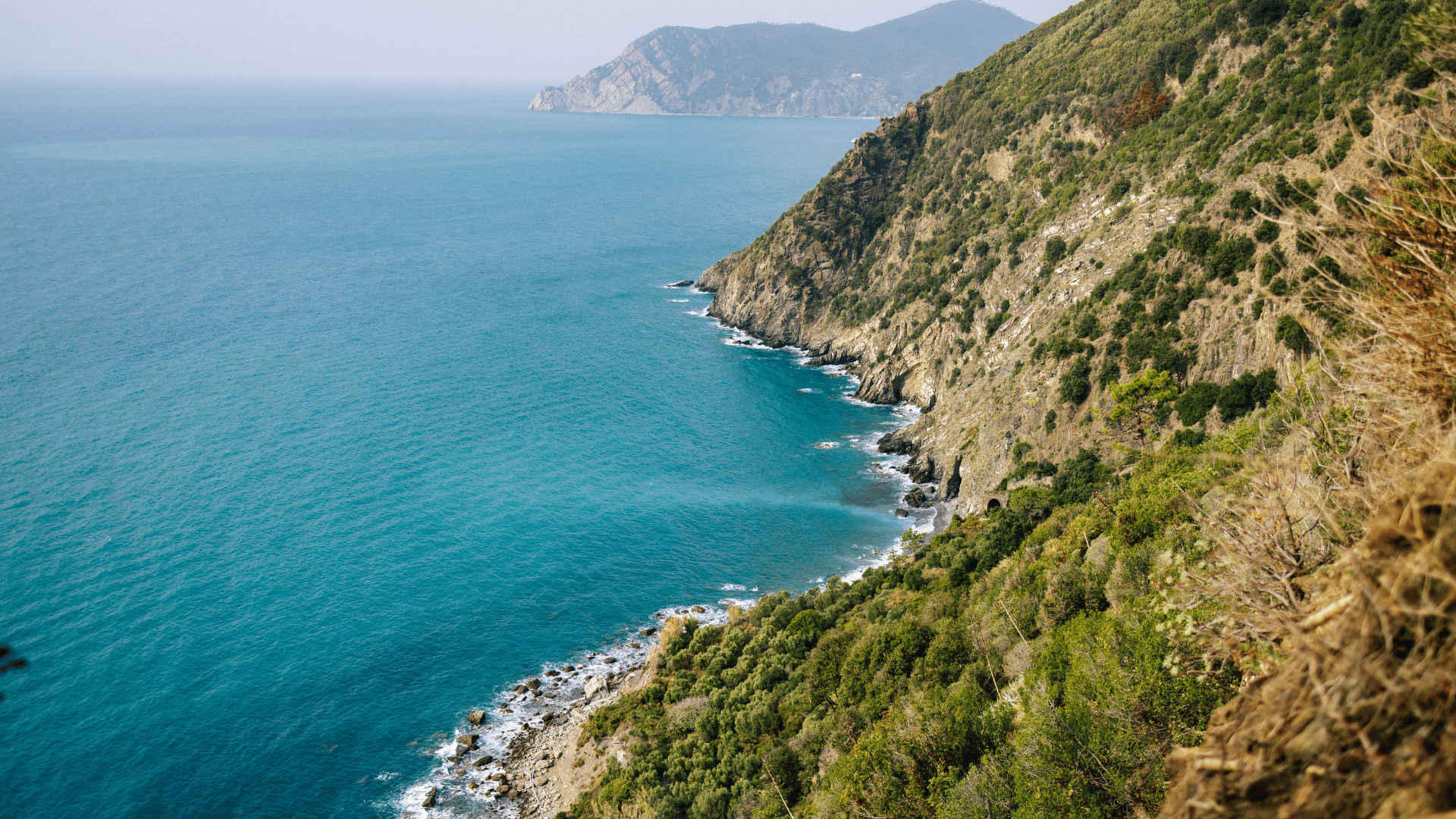
Sicily keeps surprising everyone who goes! Baroque cities built over Greek ruins built over Arab and Norman cathedrals, a live volcano you can hike in an afternoon, and a queer history most people have no idea runs this deep, Palermo hosted Italy's first-ever gay Pride back in 1981. We've been watching this one for a while, and we think it's about to become everyone's next favorite obsession.
Sicily is scheduled for August 2027 and Peter, one of our hosts, already knows this island well! Every SideQuests trip runs the same way once it's live, with small-group, safety-vetted, connection-first top of the agenda from the moment you book.
Questions in the meantime? Get in touch. We'd love to talk!

Is Morocco safe for gay travelers? Same-sex relations are still illegal here, and we're not going to pretend otherwise. Here's what that actually means for visitors in Marrakech, the Dadès Valley, and the Sahara.