
The Complete Gay Travel Guide to Albania
Albania is one of the rare places on earth that still feels untraveled, though, we think that is likely to change in a big way! White sand and turquoise water that gets compared to the French Riviera, hill towns stacked with Ottoman houses and a thousand tiny windows, mountains that go from Cold War bunkers to alpine villages in about two hours. It's much cheaper than most of Europe, it's beautiful, and it’s not overrun by hordes of tourists that kill the vibe.
Albania is also a country actively writing a better chapter for LGBTQ+ people. Same-sex relationships have been legal since 1995. Since 2010, discrimination based on sexual orientation and gender identity has been against the law, full stop, across jobs, healthcare, and housing. In 2020, Albania became the third country in Europe, after Malta and Germany, to ban conversion therapy outright. Tirana has thrown an annual Pride march since 2012, and it grows every year.
Albania is still a culturally traditional country, especially outside Tirana and the coastal tourist towns, so the move is the same one that works in most of the world, save the big public affection for private moments and a handful of welcoming spots, and let the rest of the trip be exactly as loud and joyful as you want it to be. Everything else about this country is a genuine yes.
So take a few moments to get familar with this wonderful country! Every major stop worth your time, where to sleep, what to do, what to eat, and why seeing it with SideQuests is worthwhile!
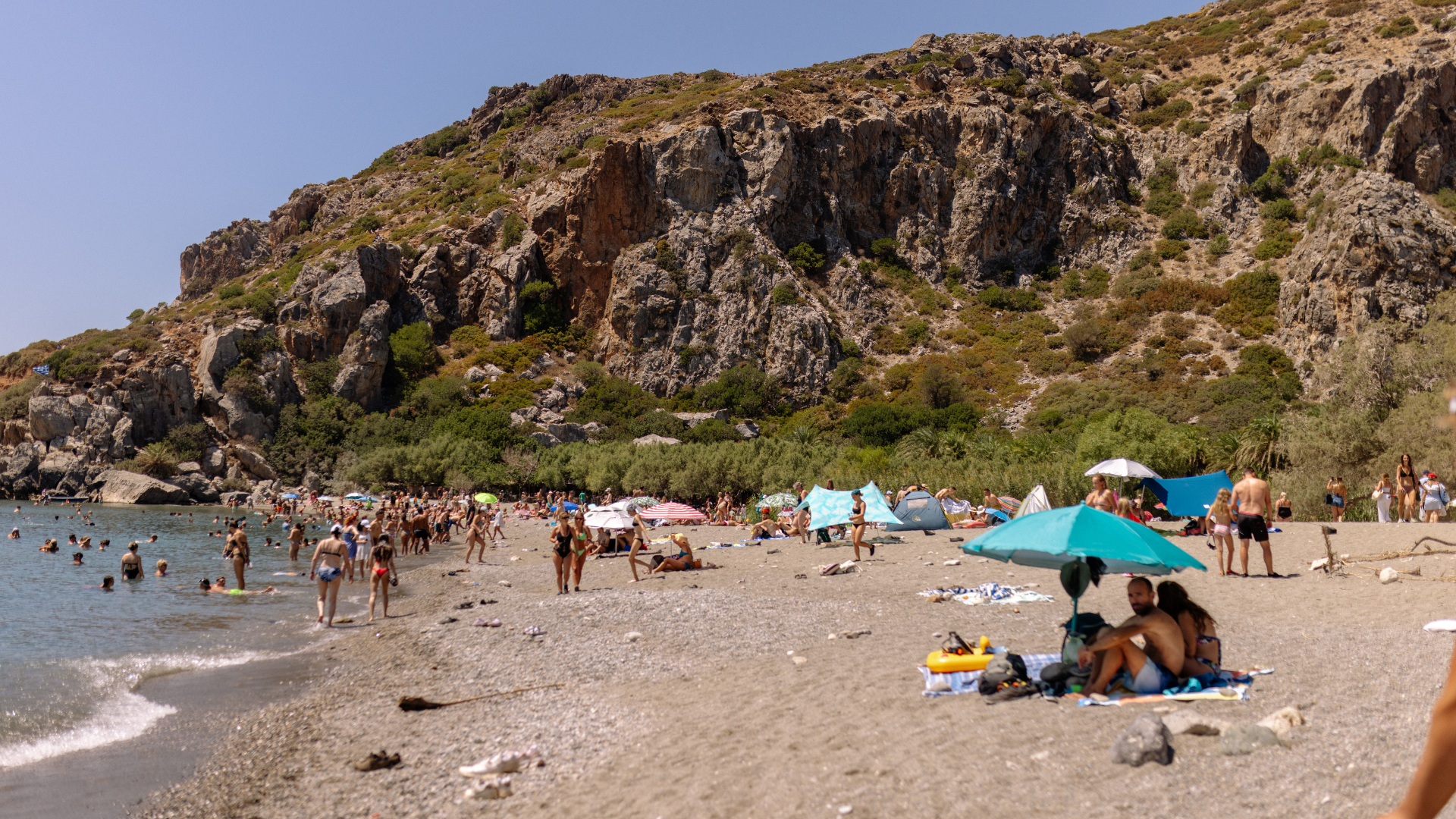
Where Should You Go in Albania?
Tirana
Start in the capital. Tirana is Albania's most cosmopolitan city by a wide margin, a place that's rebuilt itself into something stylish and self-assured in the last decade without losing its edge. Skanderbeg Square anchors the center, ringed by museums, monuments, and a skyline of candy-colored apartment blocks that Tirana's former mayor (an artist before he was a politician) had painted in bold geometric patterns. The Blloku neighborhood, once sealed off for Communist-era officials only, is now the city's best restaurant and nightlife district and the most consistently welcoming pocket of the whole country.
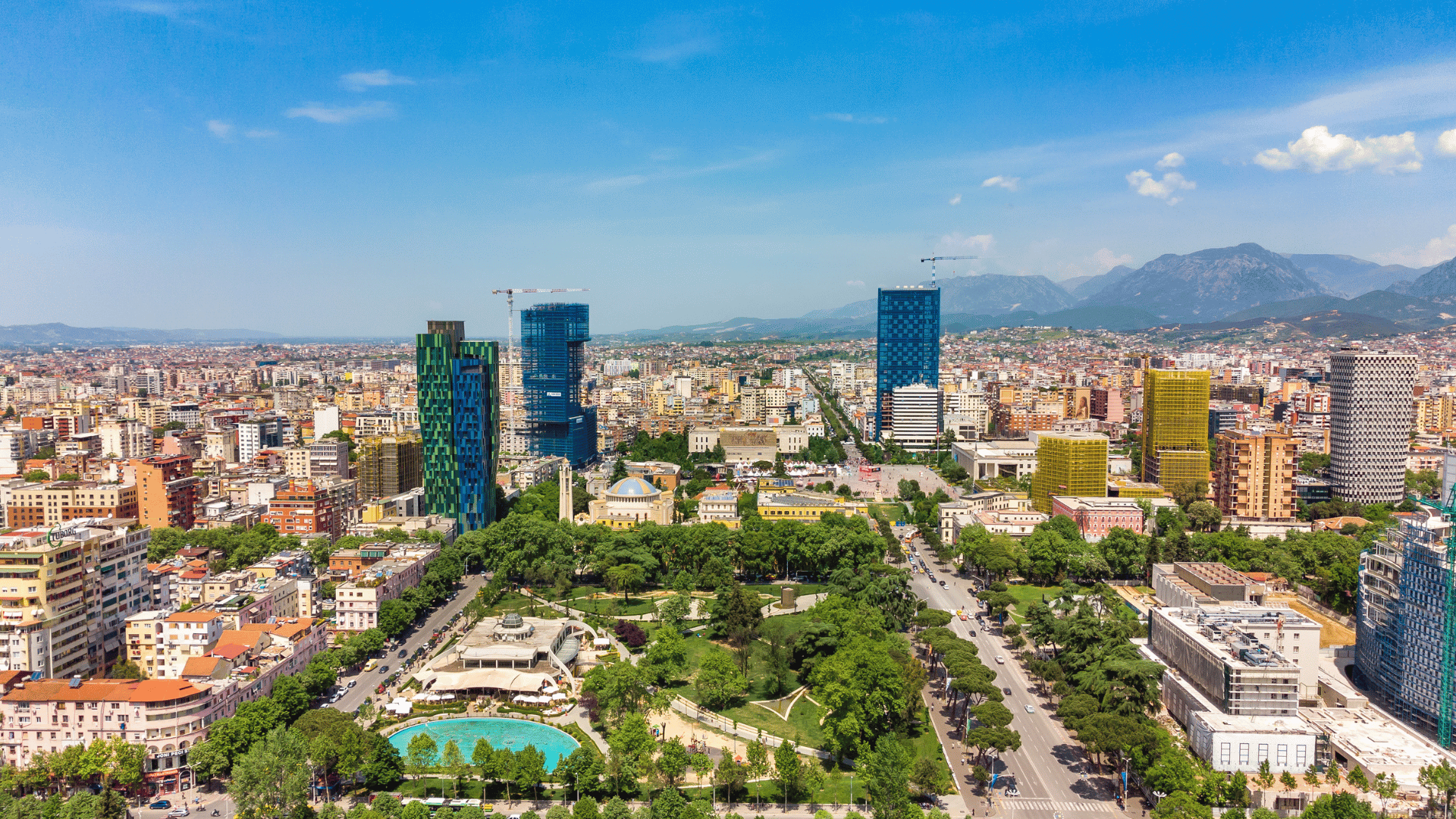
Top things to do in Tirana
Wander Skanderbeg Square and the National History Museum on its edge.
Tour Bunk'Art 1 and Bunk'Art 2, two of the more than 170,000 Cold War-era bunkers built under dictator Enver Hoxha, now converted into fascinating museums.
Ride the Dajti Ekspres cable car up Mount Dajti for a panoramic view over the whole city, then grab lunch at the mountaintop restaurant.
Spend an evening in Blloku, coffee by day, cocktails by night.
Walk the Pyramid of Tirana, a former Hoxha museum turned skate park and now a climbable public landmark after its recent renovation.
Browse the New Bazaar (Pazari i Ri) for produce, crafts, and people-watching.
Where to stay in Tirana
The Blloku area puts you closest to the best nightlife and cafés. Options across a range of budgets include the Garden Boutique Hotel, L'Hotel Tirana, the Hilton Garden Inn Tirana, Sky Hotel (in Blloku itself), and the Plaza Tirana downtown, a modern high-rise with a wellness center a few minutes from Parliament.
The Albanian Riviera: Saranda, Ksamil, Himarë, and Dhërmi
The Riviera is the reason people are starting to compare Albania to Greece and Italy. This is the coastline running along the south, and it's the single most tourist-forward, laid-back stretch of the entire country.
Saranda is the liveliest base, a proper seaside town with a long promenade, restaurants stacked along the water, and easy access to everything else on this list. Ksamil, just south, is the postcard: turquoise water, white sand, and a scatter of tiny islands close enough to swim or kayak to. Himarë and Dhërmi sit further north along a more dramatic stretch of coast, cliffs and olive groves dropping into the sea, quieter and even more scenic. Vlorë, at the Riviera's northern edge, is where Albania declared independence in 1912, with beaches of its own and a real sense of history behind them.
Top things to do on the Albanian Riviera
Beach-hop Ksamil's islands by boat or kayak.
Day trip to Butrint Archaeological Park from Saranda, a UNESCO World Heritage site with Greek, Roman, and Byzantine ruins tucked into a lagoon.
Visit the Blue Eye (Syri i Kaltër), a natural spring so clear it looks lit from below, about 50 meters deep and one of the most beautiful natural sights in the country.
Drive the Llogara Pass through Llogara National Park, one of the great coastal-mountain roads in Europe, with the sea appearing suddenly below the treeline.
Explore Porto Palermo Castle, a triangular fortress on its own private bay, wrapped in a little historical mystery over who actually built it.
Snorkel or dive around the Karaburun Peninsula, a marine protected area with hidden coves like Grama Bay and Dafina Bay.
Best beaches on the Riviera
Ksamil Beach for the classic postcard shot, Dhërmi for the mix of pebble beach and lively beach bars, Gjipe for a wild, canyon-framed cove reachable only on foot or by boat, Jale for a younger, livelier scene with paddleboards and kayaks, Borsh for Albania's longest stretch of sand at over 7 kilometers, and Saranda Beach itself if you want your swim with a side of city energy.
“The Albanian Riviera is the reason people are starting to compare Albania to Greece and Italy. This is the coastline running along the south, and it’s the single most tourist-forward, laid-back stretch of the entire country.”
Where to stay on the Albainian Riviera
the Toer Hotel & Spa and Hotel Brilant Saranda in Saranda, Sun N Blue Hotel also in Saranda, the Ilio Boutique Hotel in Ksamil, and the Bel Ami Suita Hotel in Vlorë all put you a short walk from the water.
Berat
Berat earns its nickname, the City of a Thousand Windows, from the rows of white Ottoman-era houses that climb the hillside in the Mangalemi quarter, catching the light and bouncing it back across the valley. The whole town has been a UNESCO World Heritage Site since 2008, and It's one of the oldest towns in the country.
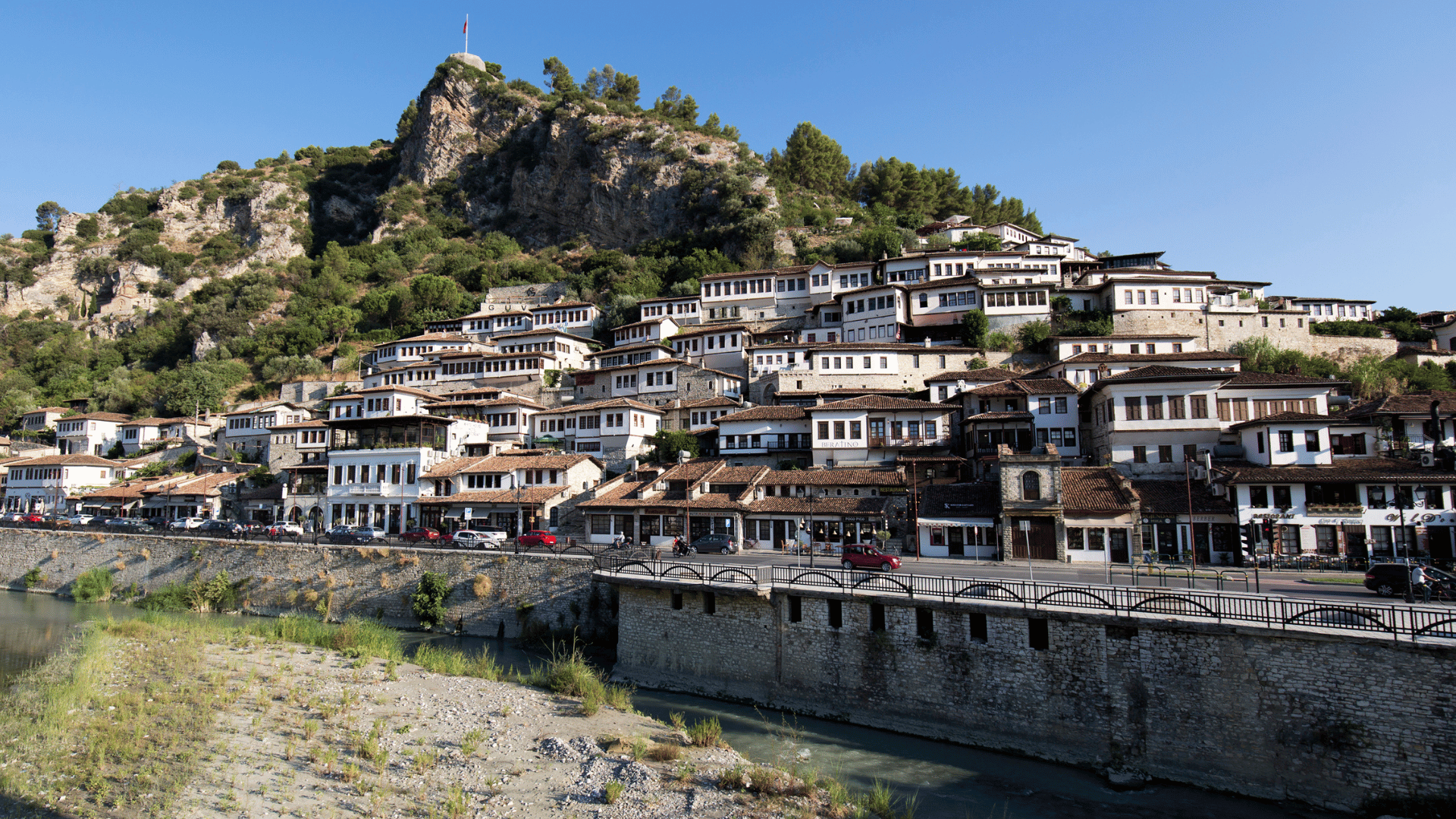
Top things to do in Berat
Climb to Berat Castle, still a living neighborhood inside its walls, with churches, an icon museum, and sweeping views over the town.
Wander the Mangalemi quarter at golden hour, when the white houses catch the light and glow.
Cross the Gorica Bridge for the classic postcard view back at the old town.
Sample the local wine, Berat sits in one of Albania's best wine-growing regions.
Where to stay in Berat
We loved Hotel Kapllani, as it is an easy base for exploring the old quarter on foot and the perfect place to rest once you get tired!
Lake Country: Korçë, Pogradec, and Lake Ohrid
Tucked into Albania's southeast corner along the border with North Macedonia, this is the country's cooler, quieter side. Korçë is known for its Ottoman-era architecture, museums, and a great local food and coffee scene. Pogradec sits right on the shore of Lake Ohrid, one of the oldest and deepest lakes in Europe and a UNESCO-protected site shared with North Macedonia, ideal for a lakeside walk, a swim, or a boat out toward the historic town of Ohrid itself. Nearby, Apollonia, an ancient Greek and Roman archaeological site outside Fier, and Përmet, known as the City of Roses for its scenery and thermal waters at nearby Benjë, both reward a detour if you have the extra day.
Best Time to Visit Albania
Late spring through early fall covers most of what you'd want out of a trip. April through June and September through October bring warm days, thinner crowds, and better rates, and line up nicely with Tirana Pride, usually held in May. July and August are peak beach season on the Riviera, hottest and busiest, worth it if a lively coastline is exactly what you're after. Winter suits the mountains more than the coast, cold and quiet on the Riviera but a real draw for Theth and Valbona if you're chasing snow.
Worth planning around:
Tirana Pride (May): the country's biggest LGBTQ+ visibility event, growing every year since 2012.
Kala Festival (June): an international electronic and house music festival on the beaches near Dhërmi.
Lake Shkodra Festival (July): concerts, water sports, and craft markets on the lakeshore.
Gjirokastra National Folklore Festival (September, roughly every five years): traditional music and dance inside the castle walls.
Tirana International Film Festival (November): Albania's leading film festival, screening work from around the world.
What to Eat in Albania
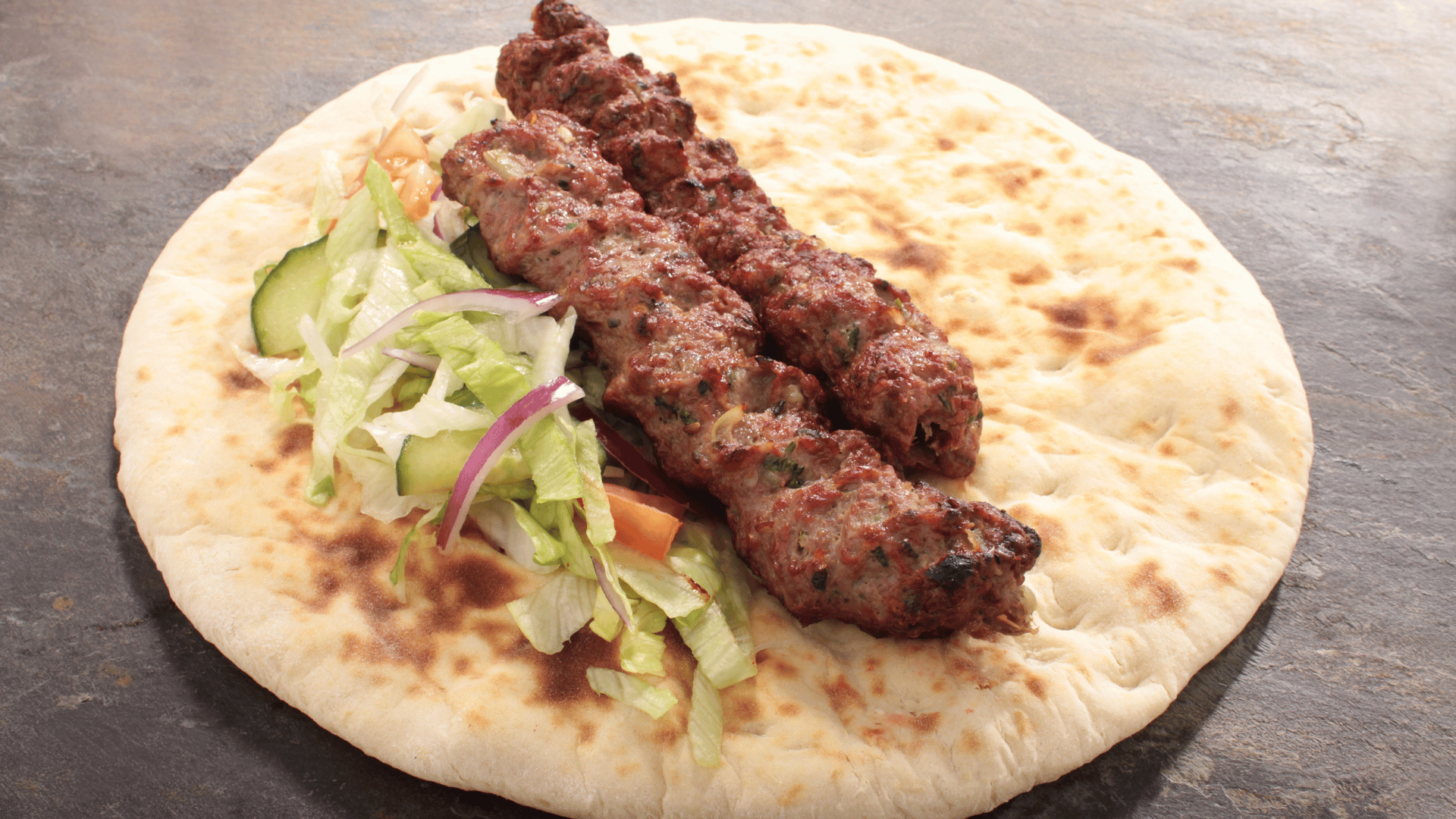
Albanian food sits right at the crossroads of Ottoman, Greek, and Italian influence, and it's reason enough to visit on its own.
Byrek: a flaky filo pie stuffed with cheese, spinach, or meat, sold everywhere from bakeries to gas stations and eaten any time of day.
Tavë kosi: the national dish, baked lamb and rice under a yogurt-and-egg custard, closer to a savory casserole than it sounds and considered real comfort food.
Fërgesë: a Tirana specialty of peppers, tomatoes, and cheese baked in a clay dish, best scooped up with fresh bread.
Qofte: grilled meatballs seasoned with herbs and onion, often served with a side of yogurt.
Speca të Mbushura: peppers stuffed with rice, meat, and spices, baked in tomato sauce, a staple at family tables.
Kackavall i Fërguar: fried Albanian cheese, crisp outside, soft inside, a favorite appetizer.
Bakllava: the Balkan classic, layers of filo, walnuts, and honey syrup, especially common around holidays.
Practical Travel Tips
Most travelers from the US, UK, EU, Canada, and Australia don't need a visa for short stays, worth a quick double check against your own country's requirements before you book. The currency is the Albanian lek, and while euros get accepted in plenty of tourist spots, cash in lek from a local ATM gets you a better rate. Albania sits outside EU roaming, so grabbing a local SIM or eSIM on arrival takes ten minutes and saves a headache.
A rental car is the easiest way to link the Riviera, the Alps, and the smaller towns together, and the roads are in better shape than the country's reputation suggests, though buses connect the major cities if you'd rather not drive. Tipping isn't required but rounding up or leaving a little extra in restaurants is normal and appreciated. Dating apps work exactly the way you'd expect, unmonitored and unblocked, and they're a good way to get local recommendations if you want them.
Are Albanians Respectful of Gay Travelers?
The shorter response is an emphatic YES! And it's getting better every year. Albanian culture runs on hospitality. Guests get treated with a warmth that's hard to overstate, and that hospitality extends to LGBTQ+ visitors more consistently than a lot of people expect from a country still working through its own cultural conservatism.
A few things work in your favor here. As a foreigner, you're generally afforded more openness and latitude than a local LGBTQ+ Albanian would be. Curiosity, not judgment, tends to be the default reaction. It also helps that physical affection between close friends of the same sex, hand-holding, a hug, a kiss on both cheeks, is completely normal in Albanian culture, so two guys or two women traveling together tend to blend right in without anyone assuming anything at all. And the generational shift is real and visible: younger Albanians, especially in Tirana and the tourist-facing coastal towns, are noticeably more open than their parents' generation, and that gap keeps closing.
Where it gets more traditional is rural areas and smaller inland towns, less because of hostility and more because these are simply more conservative, family-oriented communities where the safest travel move (for any kind of couple, not just queer ones) is to keep the more visible affection for private moments. Save the big displays for a private setting, and let the rest of your trip be exactly as loud and joyful as you want it to be. That's the whole adjustment. Everything else about Albania is an easy yes.
Why Take a Gay Group Trip to Albania?
A place this new to the map is more fun to discover with a group than to figure out alone. Albania doesn't have an official gay bar or club anywhere in the country yet, which sounds like a gap until you reframe it as an opening. You don't need to find the scene. You bring it with you.
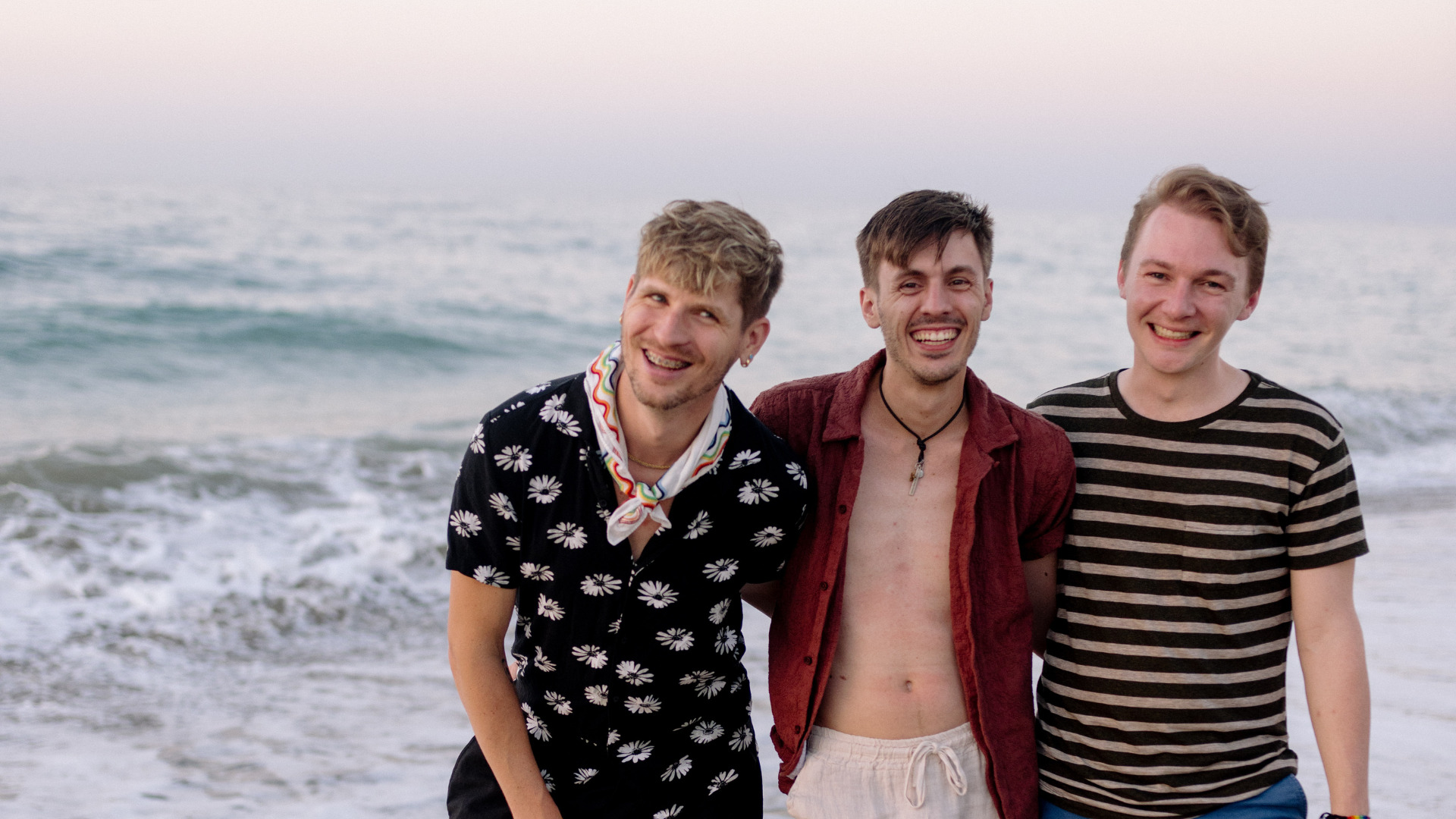
That's the whole idea behind a SideQuests trip. Every hotel, guide, and driver gets vetted through an LGBTQ+ lens before it ever makes an itinerary, so you're never the one doing that research solo in a country you've never been to. The group starts connecting before you land, through a pre-trip WhatsApp thread and a Zoom call, so by the time you're watching the sunset over Ksamil or hiking into Theth, you're doing it with people who already feel like friends. Come open, come ready to connect, and be prepared to leave emotionally attached in ways you did not authorize.
Albania has recently been added to the SideQuests calendar because it’s exactly the kind of destination we love discovering. It has real history, real scenery, and enough of an edge that going with your people beats going alone.
Frequently Asked Questions
-
Yes. Same-sex relationships have been legal in Albania since 1995, anti-discrimination protections have been in place since 2010, and the country banned conversion therapy in 2020, the third in Europe to do so. Tirana has held a growing annual Pride march since 2012.
-
Not officially, but Tirana's Blloku neighborhood has several warm, welcoming spots that fill the gap, including Tunél Terrace, Radio Bar, Nouvelle Vague, and Hana Corner Café, plus Bunker1944 Lounge for a dressier night out.
-
Generally, yes, and increasingly so with each younger generation. Albania runs on hospitality, foreigners tend to get more openness than locals would, and same-sex friends holding hands or embracing is culturally normal, which helps queer couples blend right in. Rural and inland areas are more traditionally minded, so save bigger public displays of affection for Tirana, the Riviera, or one of the LGBTQ+-welcoming spots.
-
Late spring (April to June) to early fall (September to October) for warm weather and smaller crowds. July and August are best if you want peak beach season on the Riviera.
-
A rental car gives you the most freedom to link Tirana, the Riviera, the mountain towns, and everything in between, though buses connect the major cities well if you'd rather not drive.
-
Medellín is the City of Eternal Spring, so pack light layers, walking shoes, and something fashionable for Provenza's nightlife. Cartagena is hot and humid year-round: think breathable cotton, swimwear, and a sun hat. Both cities lean stylish; skip the athleisure.
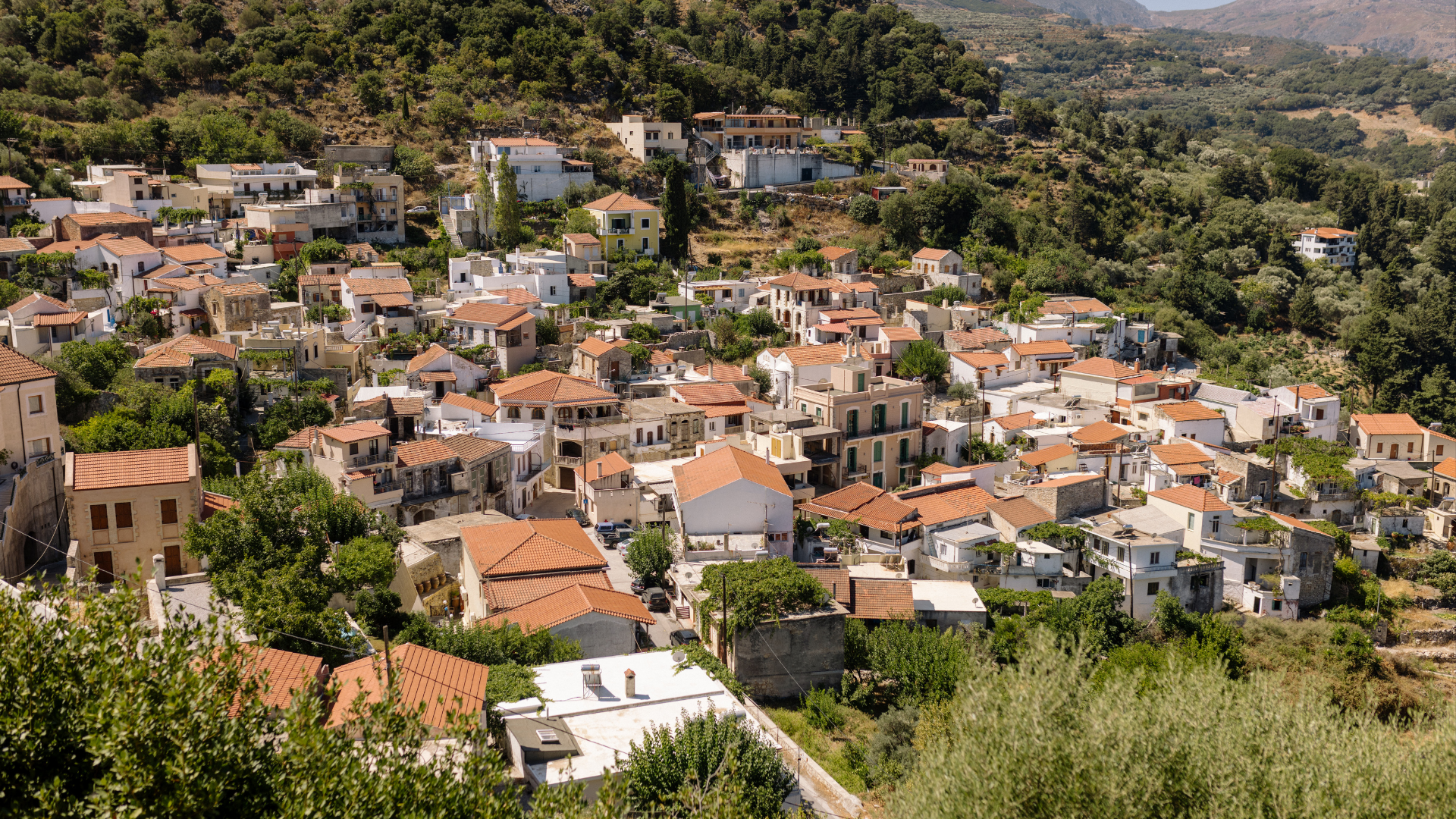
Ready to Travel to Albania?
Albania keeps surprising everyone who goes! It has bluer water than the brochures show, warmer people than the stereotypes suggest, and a queer-travel scene that's growing faster than its reputation has caught up to. We've been watching this one for a while, and we think it's about to become everyone's next favorite secret.
Our Albania trip runs August 14–21, 2027, tracing the country's best coastline and hill towns with the same small-group, safety-vetted, connection-first approach behind every SideQuests trip. Full itinerary, accommodations, and pricing are still coming together, so this is your chance to be first in line before we open booking. Solo, coupled, or bringing a friend, you're welcome exactly as you are.
Questions in the meantime? Get in touch. We'd love to talk!

Is Morocco safe for gay travelers? Same-sex relations are still illegal here, and we're not going to pretend otherwise. Here's what that actually means for visitors in Marrakech, the Dadès Valley, and the Sahara.